
 E-Paper



DJB conclave maps road ahead for 24x7 supply, wastewater reuse, Yamuna cleanup
The Delhi Jal Board (DJB) on Wednesday wrapped up a two-day water conclave with a set of recommendations aimed at improving round-the-clock water supply, reducing distribution losses, expanding reuse of treated wastewater and using technology to overhaul Delhi’s water and sewage management systems

 Prefer HTon Google


The Delhi Jal Board (DJB) on Wednesday wrapped up a two-day water conclave with a set of recommendations aimed at improving round-the-clock water supply, reducing distribution losses, expanding reuse of treated wastewater and using technology to overhaul Delhi’s water and sewage management systems.
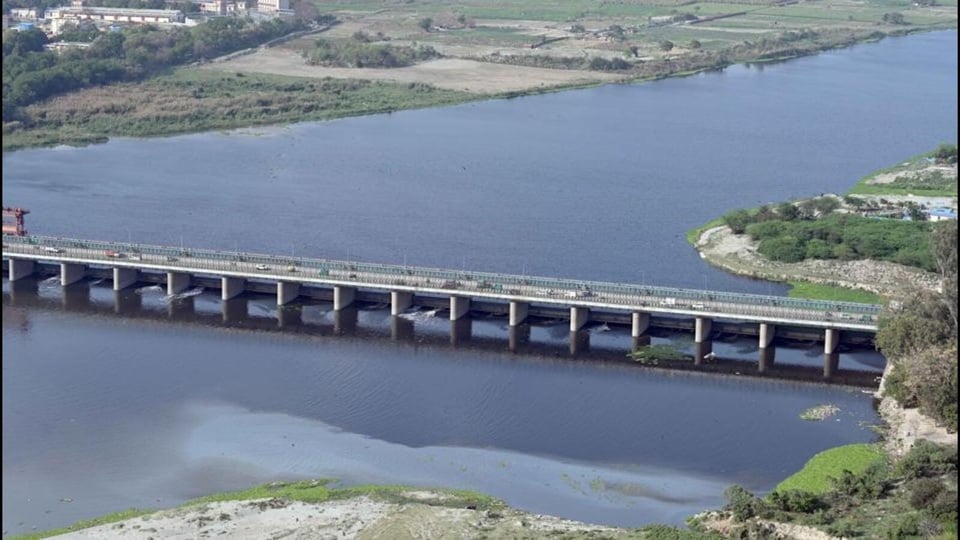
The recommendations, drawn up after discussions with Indian and international experts, will be taken forward under a “Jal Sankalp” framework, with the DJB seeking to convert them into actionable measures for water security and Yamuna rejuvenation.
Jal Manthan 2026, held on September 15 and 16, brought together water experts, technology specialists, utility practitioners, administrators and representatives of multilateral organisations, including the World Bank and the Asian Development Bank. Experts from Israel, the United Kingdom, the Netherlands and France also participated in the discussions.
The conclave focused on six broad areas — 24x7 quality water supply, circular water economy, a future-ready workforce, Digital DJB, financial sustainability and Yamuna rejuvenation.
Discussions covered the entire water and wastewater cycle, including supply and distribution, sewage collection and treatment, reuse of treated wastewater, drain management and pollution control.
Officials and experts also examined the use of smart meters, artificial intelligence, machine learning, digital twins, SCADA and advanced leak-detection systems to improve monitoring and reduce water losses.
Water minister Parvesh Verma said the discussions would have to translate into measures that improve services for residents and the condition of the Yamuna.
“Jal Manthan 2026 is not just about discussions. It is about bringing the best ideas, technology and experience from India and across the world and converting them into solutions for Delhi. Our objective is that every household should receive reliable and quality water, every drop should be used responsibly and the Yamuna should be restored. The real success of this Manthan will be when these ideas translate into better services for the people of Delhi and visible improvement in the health of our Yamuna,” Verma said.
A major component of the deliberations was the circular water economy, with experts discussing greater use of treated wastewater for suitable non-potable purposes. Resource recovery from wastewater and sludge was also discussed as part of efforts to reduce pressure on freshwater resources.
Verma said Delhi would need to approach water management as an interconnected system rather than addressing individual components separately.
“Our approach has to be technology-driven, sustainable and focused on results that people can see and experience,” he said.
DJB working groups during the conclave also deliberated on reducing non-revenue water, smart metering, water augmentation, SCADA-based operations, reclaimed-water utilisation, sludge-to-resource recovery, digital transformation, AI-based decision-making, citizen-centric digital services and financial sustainability.
The concluding discussions brought these recommendations together under the broader “Jal Sankalp” framework, under which the DJB will seek to translate the deliberations into actionable measures for Delhi’s water and wastewater systems.

Stay updated with all top Cities including, Bengaluru, Delhi, Mumbai and more across India. Stay informed on the latest happenings in World News along with Delhi Election 2025 and Delhi Election Result 2025 Live, New Delhi Election Result Live, Kalkaji Election Result Live at Hindustan Times.


