
 E-Paper



‘100% farm paddy utilisation, zero farm fires’: CAQM lists key agri measures
Arvind Nautiyal, member-secretary of CAQM, suggested several measures for farm management, including diversification to other cash crops, cultivation of early-maturing varieties of paddy, promotion of biomass in industries and power generation, and the extended use of biomass decomposers at the Dialogue Towards Clean Air event organised in Gurugram

 Prefer HTon Google


Officials of the Commission for Air Quality Management (CAQM) on Tuesday said that ex-situ and in-situ utilisation of paddy stubble can lead to zero farm fires in the national capital region (NCR).
Speaking on the second day of the two-day Dialogue Towards Clean Air initiative organised in Gurugram by the CAQM and Union environment ministry, Arvind Nautiyal, member-secretary, CAQM, suggested several measures for farm management, including diversification to other cash crops, cultivation of early-maturing varieties of paddy, promotion of biomass in industries and power generation, and the extended use of biomass decomposers.
“The Commission has developed a framework and is working further to promote in-situ crop residue management (managing straw on field itself through machinery) and ex-situ crop residue management (where straw is taken for diversified usage across industries). Along with this, effective monitoring and implementation of the framework by different states are very important. We are also working to develop a robust supply chain so that biomass can be supplied to industries. We have asked power plants in Delhi to use biomass as 5%-10% of their fuel,” added Nautiyal.
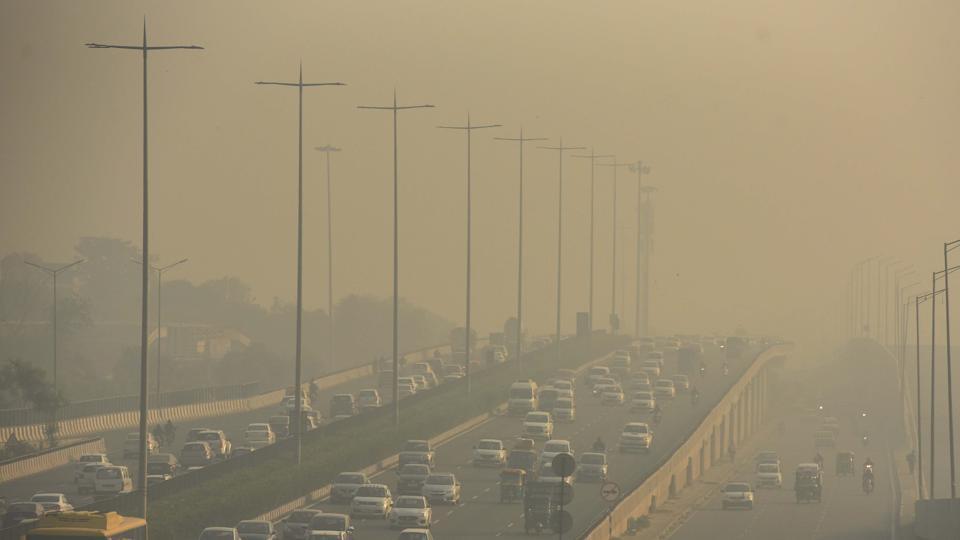
Every winter, as air quality deteriorates in the national Capital, the contribution of stubble burning to NCR’s pollution becomes a major concern. Stubble burning in neighbouring states of Punjab and Haryana is usually blamed for poor air quality in the region.
Officials from the Union environment ministry said that incidents of stubble burning have reduced over the years but still significantly impact air quality in the NCR. Nautiyal said the smoke contributes to 42-45% of the NCR’s pollution during winter.
Officials of NTPC Limited, India’s largest energy conglomerate, said that if 5% of biomass is utilised in power generation, around 35 million tonnes of agricultural stubble can be used to generate 50 million units of power.
Sudip Nag, executive director of NTPC, said, “We have the potential to use biomass, which can gradually lead to zero farm fires. We do not even need to modify the existing infrastructure used for power generation in the country. If we have to increase the biomass as fuel percentage to 10%, then only minor modifications are needed. Biomass does not just have the potential to generate energy, but also acts as a source of income for farmers.”
Nag added that ex-situ crop residue management also improves soil health (as the top layer of the soil is not burnt), and reduces emission of carbon, sulphur dioxide, nitrogen dioxide and other pollutants.


