
 E-Paper



My primary focus is on rectifying waterlogging; ensuring relief by next July: GMDA CEO
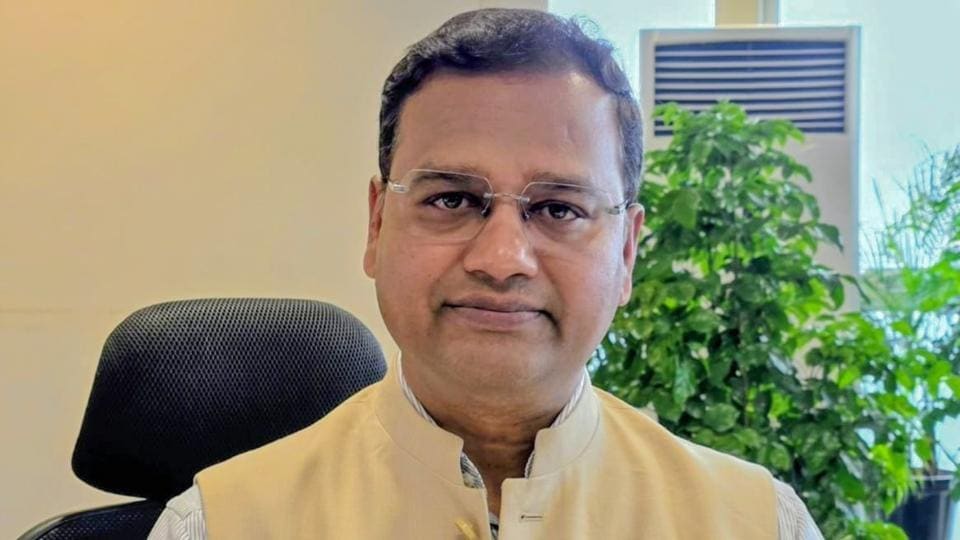
Dusmanta Kumar Behera took charge of both Gurugram Metropolitan Development Authority and the Faridabad Metropolitan Development Authority (FMDA) on November 10

 Prefer HTon Google


In a conversation with HT’s Sampurna Panigrahi in Gurugram, Gurugram Metropolitan Development Authority (GMDA) chief executive officer Dusmanta Kumar Behera outlined his priorities for the city, identifying waterlogging as a key challenge and saying nearly half his focus would be on addressing it. With 13-14 waterlogging hot spots identified across Gurugram, he said the authority aims to provide residents significant relief by July next year through immediate interventions and long-term drainage infrastructure. Behera, who took charge of both GMDA and the Faridabad Metropolitan Development Authority (FMDA) on November 10 this year, also spoke about repairing roads and footpaths, controlling road dust, clearing construction and demolition (C&D) waste, strengthening the authority’s field workforce and addressing infrastructure gaps in newer sectors. Edited excerpts:
What is your assessment of Gurugram’s infrastructure, and what are your immediate priorities?
I am still trying to understand the city better. From what I have seen so far, the infrastructure is insufficient for its population. Gurugram was not planned to support the scale of development it has witnessed over the past 25-30 years. However, the city has immense potential to grow further if government agencies and residents work together. My immediate focus is on addressing smaller but persistent problems, including road cleaning, road dust, broken roads and footpaths, and the development and maintenance of green belts.
What immediate steps will you take to address these issues?
The government has asked me to restructure the organisation according to the city’s requirements. We will assess the needs of different departments and deploy adequate personnel to strengthen the workforce on the ground.
We will also focus on immediate problems over the next two months. For instance, C&D waste lying along major roads, including Golf Course Extension Road, has been a longstanding concern. I have spoken to the MCG commissioner and asked the civic body to get the waste lifted through its contractor. GMDA will bear the cost so there is no confusion over which agency is responsible.
Broken roads and damaged footpaths continue to inconvenience pedestrians. How do you plan to address these problems?
I have met residents and representatives of organisations such as Raahgiri and asked them to identify stretches with broken surfaces, potholes, damaged pavements and walkways. They will submit a list within 10 days. Based on this, GMDA will work with these organisations to prepare a plan for repairs and improvements.
There is an acute staff shortage, particularly in GMDA’s relatively small engineering wing. We cannot take up every project immediately with the existing workforce. Partnerships with organisations such as Raahgiri will help identify requirements and outsource work wherever necessary to speed up progress.
Waterlogging remains a major concern during the monsoon. What measures are you planning to address it?
Around 50% of my focus is on resolving waterlogging in Gurugram. There are around 13-14 hotspots across the city. We will hold meetings to identify the specific problems at each location and initiate the required infrastructure work.
By July next year, I want residents to face significantly fewer problems due to waterlogging. We will deploy separate surveillance teams, new water-pumping machinery and dedicated teams on the ground during the monsoon. Quick-response teams will also be formed to ensure water is drained from inundated stretches. Agencies will be hired through tenders to undertake the work.
Will the focus be on temporary measures or permanent solutions to waterlogging?
Both short-term and long-term interventions will be undertaken simultaneously. We need to examine recharge wells, the points from which water flows into waterlogging hotspots and other measures that can provide immediate relief. Short-term interventions will be implemented first, while permanent drainage infrastructure will be developed alongside them. Requirements will be assessed separately for each hotspot.
How will GMDA address infrastructure gaps in newer sectors, particularly those along the Dwarka Expressway?
Work on missing sewerage and water-supply connections will be expedited, particularly in sectors 88 to 115 along the Dwarka Expressway. Residents in these sectors have been facing infrastructure-related problems, and we will work towards addressing these gaps.
What measures are being planned to control road dust and improve cleanliness across the city?
Road cleaning will be among our immediate priorities. We will deploy road-sweeping machines and focus on controlling dust, repairing broken roads and footpaths, and developing green belts. These may be smaller interventions, but they can make a noticeable difference to the city’s overall condition and residents’ quality of life.
Gurugram and Faridabad are major economic centres with distinct infrastructure challenges. How do you plan to balance your responsibilities in both cities?
Senior IAS officers are accustomed to multitasking, and the government has entrusted us with this responsibility. My aim is to maintain a balance between the two cities. Although their problems are different, the way forward is to first address ground-level issues. My focus will remain on resolving long-pending civic problems while larger infrastructure improvements are taken up simultaneously.


Stay updated with all the Breaking News and Latest News from Mumbai. Click here for comprehensive coverage of top Cities including Bengaluru, Delhi, Hyderabad, and more across India along with Stay informed on the latest happenings in World News.


