E-Paper



Ahead of 2027 Uttar Pradesh polls, BJP chief Nitin Nabin reaches out to grassroots workers, revives ‘pravas’ culture
Nitin Nabin’s interaction with party workers is seen as an attempt to establish a direct connection beyond the formal party hierarchy and protocol

 Prefer HTon Google


In the run-up to the Uttar Pradesh assembly elections, the BJP appears to have pulled out all the stops to rebuild organisational unity with national president Nitin Nabin himself leading from the front.
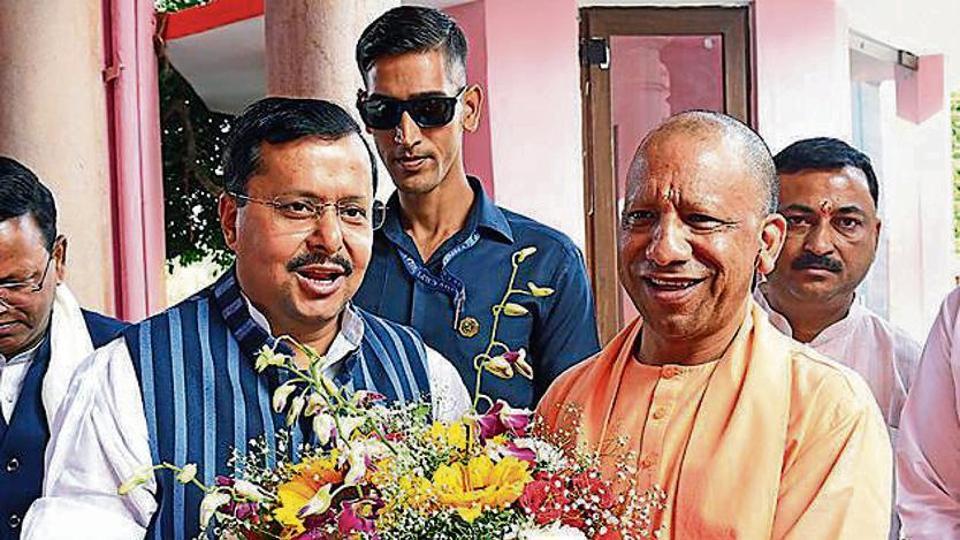
He is personally reaching out to grassroots workers and disgruntled old-timers, including two-three time former MLAs, MPs, former state and district presidents who feel neglected.
The exercise is seen as a conscious attempt to assess the organisation’s standing, identify weaknesses, and reconnect with those who may have felt ignored.
“During his first UP visit itself in July, Nitin Nabin led by example by reaching out to party office bearers, MLAs and MPs, former state presidents and grassroots functionaries, asking others to follow,” a senior BJP leader said.
The exercise is believed to be significant in the backdrop of the BJP’s setback in the 2024 Lok Sabha elections in Uttar Pradesh where the party’s tally fell to 33 seats from 62 in 2019. Subsequent feedback within the organisation pointed to discontent or indifference among sections of party workers, complaints of neglect by the administration and a perceived disconnect between the grassroots cadre and the leadership.
During his September 21-22 organisational tour (pravas) of western UP, Nabin visited Saharanpur where he held meetings with party functionaries and former public representatives.
Besides interacting with mandal presidents and Shakti Kendra convenors, he met former MPs, MLAs, MLCs and other office bearers. His interaction with party workers, including lunch at the residence of a worker in Saharanpur, was also seen as an attempt to establish a direct connection beyond the formal party hierarchy and protocol.
At a meeting in Varanasi on October 8, concerns about grassroots workers being overlooked while those with access to senior leaders receiving organisational positions reportedly came up during discussions. Such feedback is understood to be among the issues the leadership wants to address through the ongoing outreach.
On Wednesday, Nabin was in Gorakhpur to lead the “Save Democracy” foot march, which was also` attended by chief minister Yogi Adityanath and state president Pankaj Chaudhary. Later, he also addressed the ‘Prabuddh Varg’ (intellectual class) meeting and interacted with public representatives. He is scheduled to stay overnight in Gorakhpur, gathering feedback from formal and informal channels.
Nabin’s organisational tours are not an entirely new feature of BJP’s politics. His predecessors Amit Shah and JP Nadda too undertook extensive tours of UP, holding meetings at different levels and gathering feedback.
“In fact, it is Amit Shah who, as the national president, formalised the practice of ‘pravas’ in districts, having direct interaction with grassroots workers and senior leaders alike,” another senior BJP leader recalled.
According to him during JP Nadda’s presidency, the ‘pravas’ system did not get that much prominence in UP as he relied much on the indirect feedback from then general secretary (organisation) Sunil Bansal who then called the shots in UP’s politics. “Nitin Nabin has revived the ‘pravas’ culture aggressively. He has made it clear that all party leaders from bottom to top including himself have to do ‘pravas’,” he said.
For the BJP, observers feel, the challenge is not only to iron out differences, do away with factionalism and strengthen the organisation, but also to ensure that those who built and sustained the party over the years feel involved in the 2027 poll campaign.