
 E-Paper



Ram Gopal Varma explains why gangsters targeted Rakesh Roshan, Gulshan Kumar in 90s: ‘Kill one, extort money from ten’
Ram Gopal Varma discusses the influence of underworld on 1990s Hindi cinema, detailing how gangsters used intimidation to control stars like Rakesh Roshan.

 Prefer HTon Google


Filmmaker Ram Gopal Varma recently revisited one of Hindi cinema's most turbulent periods, the 1990s, when Mumbai’s underworld exerted deep influence on the industry. He spoke about how threats, overseas funding, and pressure around casting were often driven by crime syndicates led by figures like Dawood Ibrahim, and explained why prominent names such as Rakesh Roshan and Gulshan Kumar became targets. (Also read: In 1st criticism of Aditya Dhar's Dhurandhar 2, Ram Gopal Varma disagrees with portrayal of this character)
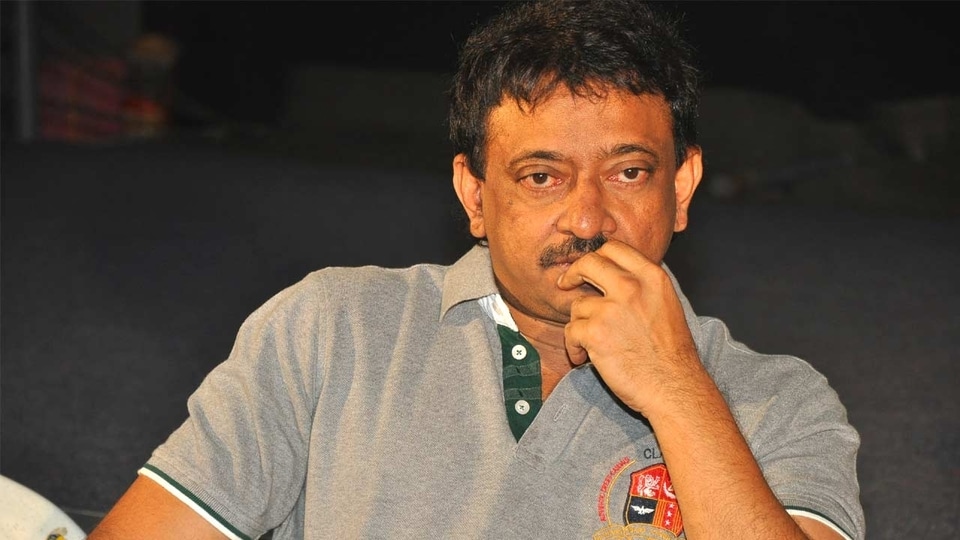
How did underworld operate in Bollywood
In a conversation with crime writer Hussain Zaidi, RGV said the underworld’s actions were not random but calculated. According to him, gangsters used fear as a tool to assert dominance by targeting influential figures. “When the underworld wants to show its power, it targets big names like Rakesh Roshan, Salman Khan and Shah Rukh Khan,” he explained, adding that many of these figures saw themselves as larger-than-life personalities.
He stressed that the motive went beyond money; it was about control and power. By intimidating major stars, they aimed to establish authority. Referring to actors like Hrithik Roshan, RGV noted that access to such stars wasn’t easy, so fear became a tactic. “If someone refused, the idea was to create an example, ‘Look what happened to him; it can happen to you too,’” he said, citing the underworld saying: “Kill one, extort money from ten.”
What led to the attack on Rakesh Roshan
RGV connected this climate of fear to the shooting of Rakesh Roshan in January 2000, soon after the success of Kaho Naa... Pyaar Hai. He claimed that gangsters wanted control over Hrithik Roshan’s dates for a film project, allegedly backed by Chhota Shakeel. When Rakesh resisted, violence followed.
On January 21, 2000, gunmen attacked him outside his office in what was widely believed to be an act of retaliation. He survived the incident. In a later interview, Rakesh recalled refusing to allocate Hrithik’s dates despite repeated pressure, describing that time as one filled with fear.
Reasons behind Gulshan Kumar’s murder
Speaking about the 1997 killing of Gulshan Kumar, RGV pointed to a mix of jealousy, power struggles, and defiance. He said Gulshan’s growing success and influence may have made him a target, while rival narratives and external influences also played a role.
RGV suggested that figures like Abu Salem may have seen the act as a way to build their own reputation within the underworld. He also noted that Gulshan had reportedly resisted extortion demands and was not easily intimidated.
Recalling the day of the murder, RGV said he was at producer Jhamu Sugandh’s house when news of the incident broke, leaving those around him shaken.
Bollywood’s ties with the underworld
RGV highlighted how, during the 1990s, the film industry was entangled with the underworld at multiple levels, from financing and casting to coercion. Former Mumbai Joint Commissioner of Police (Crime) D Sivanandhan has also noted that several films depicting gangland life were allegedly funded by such networks.
The era was marked by an unspoken atmosphere of fear, with occasional images surfacing of film personalities alongside underworld figures, particularly in the Middle East. RGV, who has explored these themes in films like Satya, Company, and D, said many of his stories draw directly from these real-life experiences.


Get more updates from Bollywood, Taylor Swift, Hollywood, Music and Web Series along with Latest Entertainment News at Hindustan Times.


