

 E-Paper



Why public-facing professionals are choosing robotic heart surgery
This article is authored by Dr Manish Hinduja, consultant, Adult Cardiac Surgery, CVTS, Kokilaben Dhirubhai Ambani Hospital, Mumbai.

 Prefer HTon Google


For many people, the moment they hear they need heart surgery, the first thought is survival. But for executives, performers, models, athletes, and media personalities, there is often another concern sitting right alongside that appearance, and how quickly they can get back to their professional lives. Robotic heart surgery is changing what that conversation looks like.
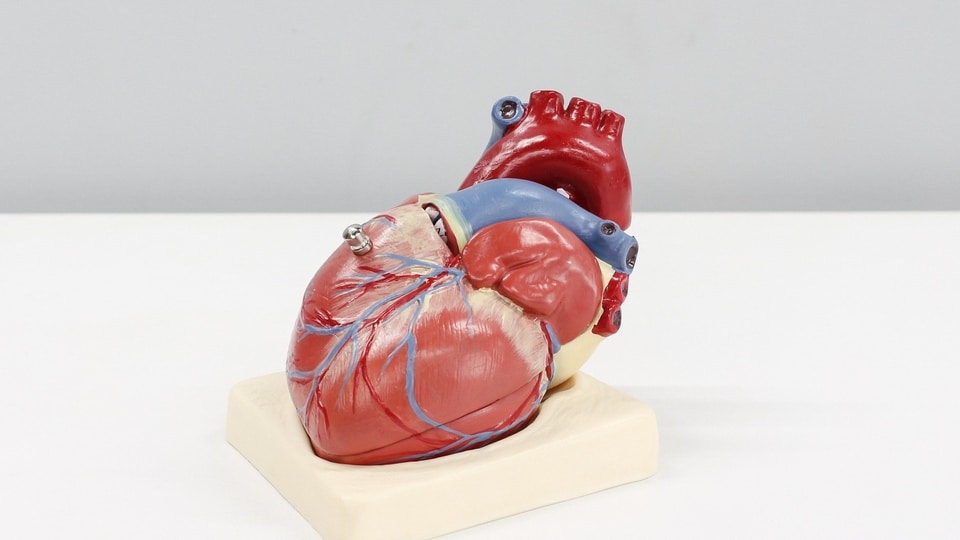
Coronary Artery Bypass Grafting, or CABG, is performed to restore blood flow to the heart by creating new pathways around blocked coronary arteries. The traditional approach involves dividing the breastbone to access the heart, which is effective but leaves a significant mark on the body.
Robotic CABG takes a different route entirely. Instead of opening the chest through the breastbone, surgeons work through several small openings between the ribs, guided by a high-definition camera and robotic instruments that provide a magnified view and allow for precise, controlled movements.
One thing worth clarifying is that the robot does not operate on its own. The surgeon is in control of every movement. The robotic system simply improves precision by filtering out hand tremors, enhancing stability, and giving the surgeon a clearer view of what they are working with.
Beyond treating blocked arteries, robotic systems are used for mitral and tricuspid valve repair, closing congenital holes in the heart such as atrial septal defects, and the precise removal of benign cardiac tumours like atrial myxomas.
The recovery looks different with robotic CABG. Smaller incisions and reduced chest trauma mean less postoperative discomfort and faster mobilisation. Many patients can begin walking within a few days after surgery, depending on their overall condition and progress.
For people whose careers involve being in front of others, the scarring aspect matters. Robotic CABG uses incisions that are often only a few millimetres in size, a significant difference from a long chest incision. The procedure is done through smaller, less visible incisions sometimes near the axilla, under the nipple or the breast. Avoiding the division of the breastbone also reduces disruption to surrounding tissues, which can contribute to a more comfortable recovery overall.
Surgical precision is another advantage. The magnified three-dimensional view and controlled instrument movements that robotic systems provide are particularly valuable when working with small coronary arteries.
CABG also requires harvesting blood vessels from the leg or arm to create bypass grafts. Through endoscopic vessel harvesting, surgeons can collect these vessels through very small incisions rather than traditional long cuts, reducing wound-related complications, swelling, and visible scarring at the harvest site.
Robotic cardiac surgery represents the next stage of minimally invasive heart procedures. The operation itself remains the same what changes is how the surgeon gets there. For suitable patients, this can make a major cardiac procedure feel far more approachable, particularly for younger individuals who might otherwise delay surgery out of concern about a prominent chest scar.
Robotic heart surgery is not laser surgery, and the robot does not make decisions or operate independently. It follows the same surgical principles as conventional cardiac surgery, with technology supporting the surgeon throughout.
It is also not a painless procedure. Any heart surgery involves recovery and healing. What minimally invasive approaches aim to do is reduce the surgical trauma involved and improve the overall experience of recovery.
Robotic CABG is a highly specialised procedure. It requires advanced training, careful patient selection, and experienced surgical teams, and access remains limited because of the infrastructure and expertise involved.
For public-facing professionals and many other patients, what makes it appealing is the combination of effective treatment with a less invasive approach smaller scars, a reduced physical impact, and a potentially faster return to the life they had before surgery.
(The views expressed are personal)
This article is authored by Dr Manish Hinduja, consultant, Adult Cardiac Surgery, CVTS, Kokilaben Dhirubhai Ambani Hospital, Mumbai.


