E-Paper



HPV vaccine administered to 8 million adolescent girls in past 6 months: Govt
India has vaccinated 8 million adolescent girls in the past six months against the Human Papillomavirus (HPV) under the National HPV Vaccination Campaign.

 Prefer HTon Google


India has vaccinated 8 million adolescent girls in the past six months against the Human Papillomavirus (HPV) under the National HPV Vaccination Campaign, aimed at preventing cervical cancer, Union ministry of health and family welfare announced on Friday.
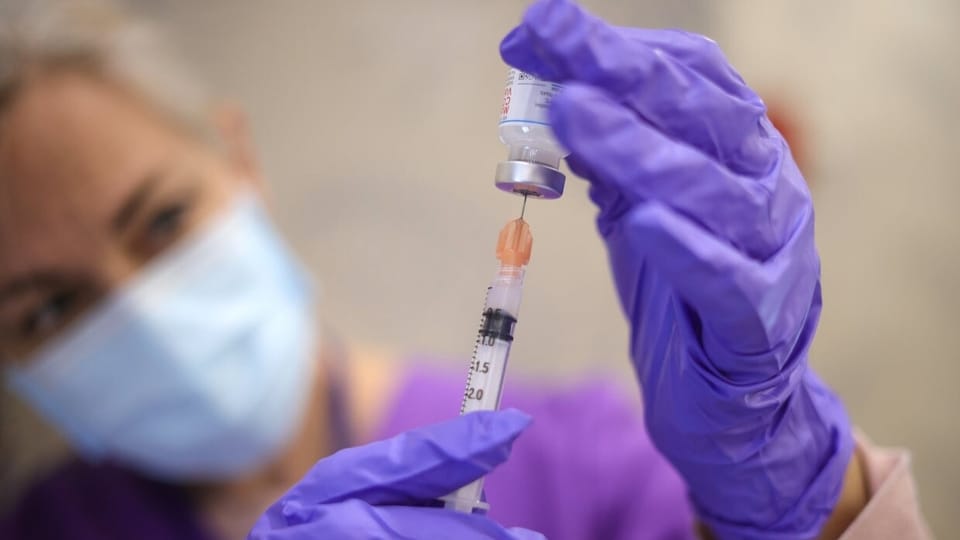
“The milestone marks the expanding reach of HPV vaccination through the public health system and reinforces India’s commitment to strengthening preventive healthcare for adolescent girls,” said health ministry in a statement.
Also Read | Bengal health dept probes five accused of practising medicine with fake degrees
Five states —Gujarat, Uttar Pradesh, Madhya Pradesh and Mizoram— have achieved 100% cover of their respective identified target populations. Whereas, Bihar Andhra Pradesh and Assam have crossed 90% coverage, Karnataka achieved 85%, Chhattisgarh, Sikkim, Kerala, Telangana and Odisha crossed 60% coverage, the ministry said. Among States, Uttar Pradesh has recorded the highest number of vaccinations, with more than 2.2 million adolescent girls vaccinated under the campaign.
“The progress reflects coordinated implementation by States and Union Territories, sustained community mobilisation and active engagement of district-level health teams. States have adopted context-specific approaches to reach eligible adolescent girls through the public health delivery network, including in rural, urban, remote and geographically challenging areas,” read the health ministry statement.
Also Read | Addressing the adolescent health crisis through school-based action
With 123,000 new diagnoses annually, India accounts for approximately one-fifth of all cervical cancer cases globally and one-quarter of all cervical cancer deaths, and it is the second most common cancer among Indian women.
In a study published in The Lancet in June, it was shown that high HPV vaccination coverage was associated with a substantial reduction in cervical cancer deaths.
The vaccination campaign was launched by Prime Minister Narendra Modi on February 28 this year. Under the campaign, 14-year-old girls are provided voluntary and free-of-cost single-dose HPV vaccination, with parental consent, at government health facilities.
As per Registrar General of India (RGI) 2021 estimates, approximately 12 million girls constitute the annual cohort of 14-year-olds who are expected to benefit from the initiative each year.
“The campaign has placed strong emphasis on community engagement and credible information, with parents, healthcare providers, teachers and frontline health workers being actively engaged to address concerns and counter misinformation relating to HPV vaccination.”
Healthcare providers, including paediatricians, gynaecologists and experts from institutions such as AIIMS, along with teachers and frontline health workers including ASHAs and ANMs, have supported awareness and mobilisation efforts across States and districts.
“The campaign has also leveraged India’s digital health infrastructure through the U-WIN platform, enabling programme managers to monitor vaccination coverage at the district level, identify coverage gaps and missed beneficiaries, and support more effective programme planning and resource allocation. The national campaign builds on extensive global experience with HPV vaccination.,” said health ministry.
According to estimates, at least 800 million doses of HPV vaccines have been distributed globally, providing substantial real-world experience on their use and safety.
HPV vaccination, initially adopted predominantly by high-income countries, has progressively expanded into national immunisation programmes across countries at different income levels. At present, 87% of upper-middle-income countries, 78% of lower-middle-income countries and 54% of low-income countries have adopted HPV vaccines in their National Immunization Programmes.
Also Read | HPV vaccines for girls aged over 14, consent to use of personal info mandatory for Delhi Lakshmi Yojana
In a 2024 study, published in The Lancet, it was mentioned that there was emerging evidence suggesting one dose of HPV vaccine was as effective in preventing HPV infection and cervical precancerous lesions as a multidose regimen, and in 2022, The World Health Organisation (WHO) endorsed a single-dose HPV vaccination schedule in females aged 9–20 years.
“The growing adoption of HPV vaccination across diverse income settings reflects its increasing role as an important component of national strategies for cervical cancer prevention. All vaccination sessions under the campaign are conducted under the supervision of trained medical officers at government health facilities,” said the health ministry.
It added that government health facilities were also linked with 24×7 healthcare facilities for appropriate management of rare Adverse Events Following Immunization (AEFI), to ensure timely assessment, monitoring and management of any vaccination-related adverse event.
“With the campaign progressing towards its final phase, the focus remains on reaching the remaining eligible beneficiaries and ensuring that no eligible girl is left behind. The health ministry continues to work closely with States and Union Territories, healthcare professionals, frontline health workers and communities to strengthen awareness, facilitate access and support effective implementation of the HPV Vaccination Campaign,” read the statement.