E-Paper



Concerns over Oil India’s bid to drill for hydrocarbons in Assam national park
Concerns about OIL’s drilling plan emerged on social media platforms after the company published an advertisement in newspapers recently citing the MoEFCC’s clearance for the project.

 Prefer HTon Google


Concerns have been raised about Oil India Limited’s (OIL) bid to drill for hydrocarbons in a national park in Assam after a similar ecological threat was perceived because of the central government’s recent approval for coal mining activities inside an elephant reserve in Upper Assam.
On May 11, the Union Ministry for Environment, Forest and Climate Change (MoEFCC) gave green clearance for the extension drilling and testing of hydrocarbons at seven locations by OIL under Dibru-Saikhowa National Park area in Assam’s Tinsukia district.
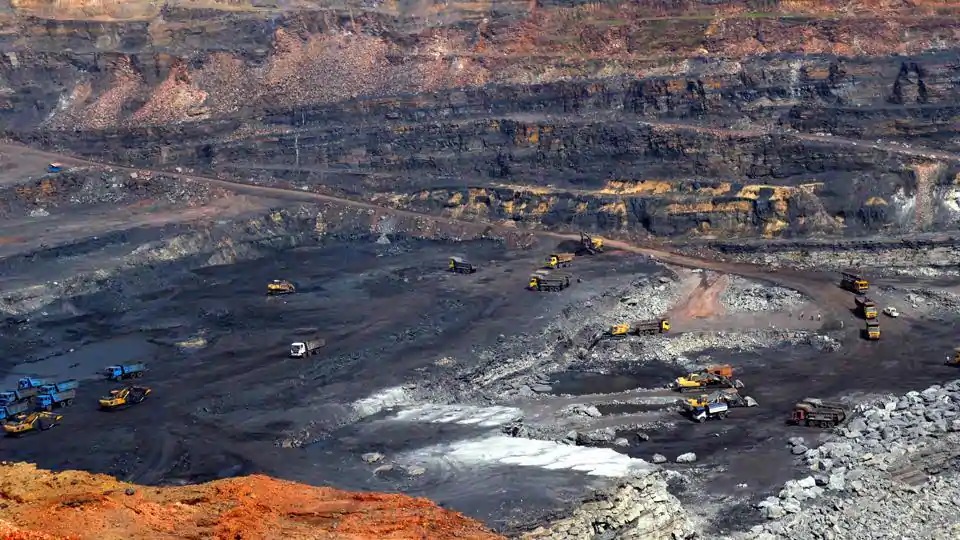
The MoEFCC clearance comes close on the heels of the National Board of Wild Life’s (NBWL) approval on April 17, allowing Coal India Limited to carry out opencast and underground coal mining in a portion of the Dehing Patkai Elephant Reserve in the state. An online campaign has been launched by the state’s college students to stop the move.
Spread over 340 square kilometres, Dibru-Saikhowa is one of the five national parks in the north-east region’s most populous state. The park, which is also a biosphere reserve, is home to 36 mammal species including tiger, Gangetic dolphin, feral horses, etc. and 382 bird species.
Concerns about OIL’s drilling plan emerged on social media platforms after the company published an advertisement in newspapers recently citing the MoEFCC’s clearance for the project.
OIL reacted to the growing apprehensions and issued a press release on Wednesday, clarifying that it would not operate inside the national park and the drilling would have no ecological impact.
“It has been observed that post the publication of the advertisement, certain sections of the stakeholders have expressed their concern assuming that OIL will be operating inside the national park,” the release said.
“OIL will not enter the Dibru-Saikhowa National Park area and operations will be conducted through extended reach drilling (ERD) technology. ERD is used to explore for hydrocarbon far from the surface or areas of the reservoir, which are otherwise difficult to access,” it added.
“With the use of ERD, wells can be drilled up to a depth of 4km from the existing well plinth without entering the protected area. Through ERD, OIL will reach the target depth of around 3.5km beneath the surface of the national park without carrying out any drilling inside the park,” the release said.
“This is a state of the art technology where drilling will take place around 1.5km outside demarcated area of the national park where OIL is already carrying out hydrocarbon exploration for the last 15 years in the Baghjan area,” it said.
“OIL once again reiterates that no disturbance to the environment and Dibru-Saikhowa National Park is envisaged due to the use of ERD technology,” it added.