E-Paper



Healthcare must be ready for old population: NITI Aayog vice-chief
Ashok K Lahiri said rising non-communicable diseases, including diabetes, cancer and cardiovascular conditions, are reshaping healthcare needs.

 Prefer HTon Google


India’s healthcare system must prepare for an ageing population and a changing disease burden, with the focus shifting from merely extending life to ensuring healthy ageing, NITI Aayog vice chairman Dr Ashok K Lahiri said on Saturday.
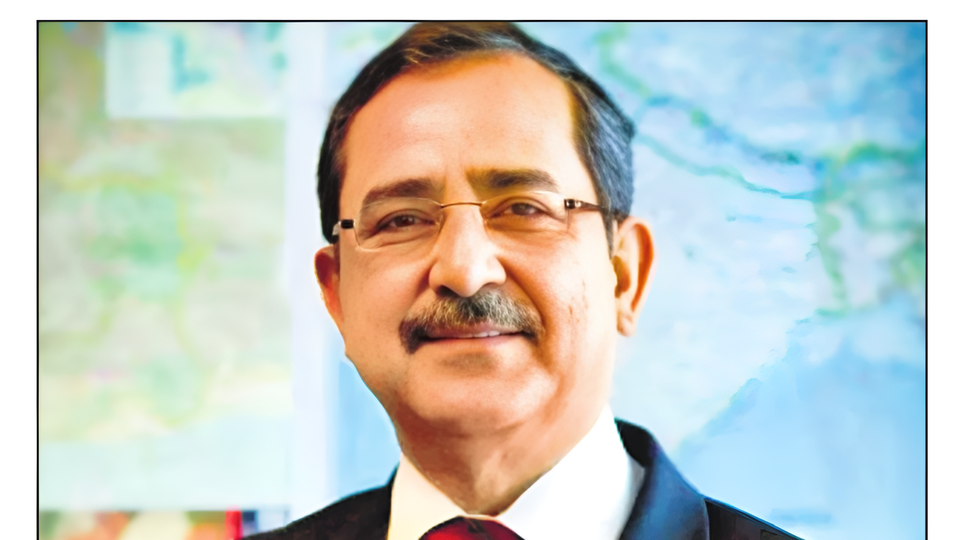
Speaking at an event at the Institute of Liver and Biliary Sciences (ILBS), Lahiri said the health challenges of future generations will be markedly different from those faced today.
“The share of old people is going to increase and the health problems of the old of the future will also be different from what the young suffer today. The patient of tomorrow will not necessarily resemble the patient of yesterday,” he said.
Also read: How a simple reform can unlock India's next phase of health care growth
Disease burden is changing
Lahiri noted that while India continues to grapple with infectious diseases, maternal and child health challenges and undernutrition, the country is simultaneously witnessing a rise in non-communicable diseases.
“We have not completely overcome infectious diseases, maternal and child health care challenges or undernutrition. But at the same time, non communicable diseases, diabetes, cardiovascular diseases, cancers, chronic respiratory diseases, obesity and metabolic and liver diseases are increasingly shaping our healthcare needs”.
Also read: Why India must reclaim its later years
Focus shifts to healthy ageing
“This means that the health system we design today must be prepared for tomorrow’s older population. And if we do not age well, provision of healthcare services to the old may prove to be expensive. We need to age well,” he said.
The vice-chairman also expressed concern over the indiscriminate use of medicines, particularly antibiotics. “Antimicrobial resistance reminds us that medicines that save lives today must remain effective for future generations,” Lahiri said.