
 E-Paper



How India turned Covid-19 crisis into outsized global outreach exercise
S Jaishankar’s diplomatic outreach to other countries has been guided by PM Modi’s observation that encouraged the foreign ministry to help as many countries as possible

 Prefer HTon Google


When Kenyan Foreign Minister Raychelle Omamo called up External Affairs Minister S Jaishankar on Tuesday, the conversation was largely centered around the Covid-19 outbreak. Jaishankar’s counterpart was worried about the drug supplies with the virus now rearing its head in Africa and remote parts of the globe.
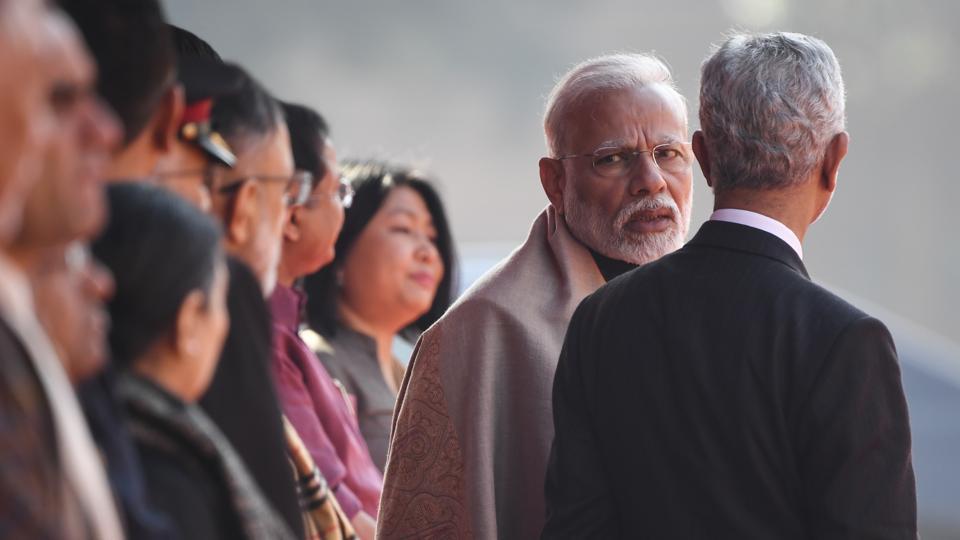
Jaishankar told his Kenyan counterpart that not only would India provide hydroxychloroquine and paracetamol on a commercial basis but would also send some more as a gift, or assistance
In another conversation with Armenian Foreign Minister Zohrab Mnatsakanyan, Jaishankar underscored that India is already in the process of airlifting drugs to his country.
Jaishankar’s diplomatic outreach to other countries has been guided by Prime Minister Narendra Modi’s clear observation early this month that asked his team to positively respond to requests for help by other countries to fight Covid-19, people familiar with the development said.
PM Modi had made the point that if you help someone when they need it to face a crisis, the gesture won’t be forgotten easily.
It is this advice that has driven much of the response of Indian diplomats. Officials said India is flying out about 28 lakh hydroxychloroquine and 13 lakh paracetamol tablets to 32 countries as assistance. In addition, drug supplies are being made to 42 countries on a commercial basis.
The Indian priorities have been clear with first supplies going to the SAARC countries and extended neighbourhood in Gulf. Europe, Americas, and the Indo-Pacific were covered in the next phase.
After supplies reached these countries, India moved to supplying assistance to smaller countries and Island nations. These include Burkina Faso, Marshall Islands, Eswatini, Comoros, Dominican Republic, Seychelles and Jamaica.
Global demand for hydroxychloroquine boosted after some studies indicated that the drug, when paired with azithromycin, helped clear patients of the virus at a much faster rate than seen usually.
India, the largest producer of hydroxychloroquine, had initially banned exports last month before partially easing rules to allow the export of hydroxychloroquine and paracetamol after meeting all domestic requirements. Health ministry officials have confirmed that the government had access to a lot more than the estimated requirements to cater to any eventuality.
The government, officials said, was conscious that the battle against Covid-19 might end up to be a long haul, a lot longer than was initially expected. They said the government is priming up its health sector to not only tackle a sudden Covid-19 flare-up but also diseases accompanying the rains in India such as dengue, measles and cholera.
“ We also have to be ready for a possible second wave of the pandemic later this winter,” said a senior official.
Apart from drugs, India has also started sending wheat shipments up to 75 metric tonnes to Afghanistan through the Chabahar and has also offered both wheat and rice to Iran as humanitarian assistance.


