E-Paper



‘Our position is simple’: India explains why Delhi hasn’t revised stand on Pak
India rejected Pakistan PM Shehbaz Sharif’s remarks describing PM Modi’s visit to J&K over the weekend as “staged”, wondering what it really meant. “It seems to indicate that the visit didn’t take place and we are trying to show that it did,” he said.

 Prefer HTon Google


India on Thursday condemned the suicide bombing in the Pakistani port city of Karachi that killed four people, including Chinese nationals, and stressed the need for countries to take an “undifferentiated position against terrorism”.
The suicide attack at the University of Karachi’s Confucius Institute, a Chinese language and cultural centre, which killed three Chinese teachers and a Pakistani national, was claimed by the Baloch Liberation Army (BLA), a separatist group from the southwestern province of Balochistan.
The attack was carried out by BLA’s first woman suicide bomber. The Pakistan government condemned the bombing and made a pledge to China, the country’s close ally, that the perpetrators will be punished.
When external affairs ministry spokesperson Arindam Bagchi was asked about the attack at a weekly media briefing, he said such attacks could not be justified anywhere.
“Our stance against all forms of terrorism anywhere has been steadfast and consistent. This particular incident only underlines the need for all countries to take an undifferentiated position against terrorism,” Bagchi said. He made it clear that countries cannot condone some terrorist attacks and condemn others.
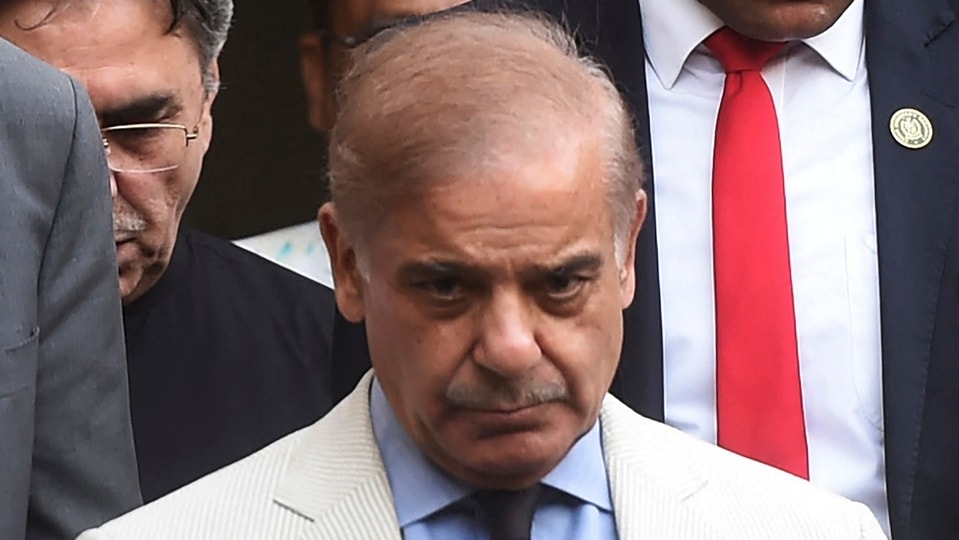
In response to another question, Bagchi said there had been no change in India’s position on engaging with the Pakistan government following the change in the leadership of the neighbouring country. Veteran Pakistani politician Shehbaz Sharif was elected the prime minister after Imran Khan lost the position in a vote of no confidence in Parliament.
“Our position is very simple – there should be an atmosphere free of terrorism, in which talks can be held,” Bagchi said. Sharif and his Indian counterpart Narendra Modi had “exchanged courtesy letters” but there has been no change in India’s position, he said.
“Our main issue is an atmosphere free of terrorism – it is a justified demand,” he added.
Bagchi also rejected Sharif’s remarks describing Modi’s visit to Jammu and Kashmir over the weekend as “staged”. Modi visited the union territory to launch several development projects and to meet grassroots political representatives.
“On the issue of the prime minister’s visit to the union territory of Jammu and Kashmir, I don’t understand the word ‘staged’. It seems to indicate that the visit didn’t take place and we are trying to show that it did,” he said.
The reception accorded to Modi, the visuals of the visit, the inauguration of development projects and the changes that have happened on the ground are a “very clear answer to any question that may be raised about the prime minister’s visit”, Bagchi said. “Pakistan has no locus to talk about it from this perspective on what’s happening in Jammu and Kashmir,” he added.
Soon after Modi’s visit to Kashmir, Sharif said in a tweet: “Indian PM’s staged visit to IIOJK & laying foundation stones of hydroelectric projects, in contravention of Indus Waters Treaty, is another desperate attempt to project false ‘normalcy’ in occupied territory. We stand with Kashmiris as they rejected the visit & observed Black Day.”
Pakistan’s Foreign Office too had issued a statement saying that the visit was aimed at diverting attention from the “actual underlying issues”.