E-Paper



Madhya Pradesh plans public safety law to give more power to police
According to the draft of the Public Safety Bill, the onus of safety of visitors will lie with the management of such commercial, industrial, religious, medical, and educational establishments

 Prefer HTon Google


Bhopal: The Madhya Pradesh government will introduce in the upcoming budget session of the state assembly a legislation that makes licences mandatory for any private establishment visited by 100 or more people every day to ensure that it is following prescribed safety norms, officials from the state’s home department said.
According to the draft of the Public Safety Bill, the onus of safety of visitors will lie with the management of such commercial, industrial, religious, medical, and educational establishments. The bill also gives police right to enter such establishments at any time to inspect if safety norms are being adhered to .
“The private establishment will have to take the licence of public safety from local municipal corporations and municipalities. The licence will be mandatory for the establishments visited by a large number of people daily. The licence will be given after ensuring that the all safety measures have been implemented,” said an official involved with preparing the draft.
The bill lists out several safety measures that need to be followed.
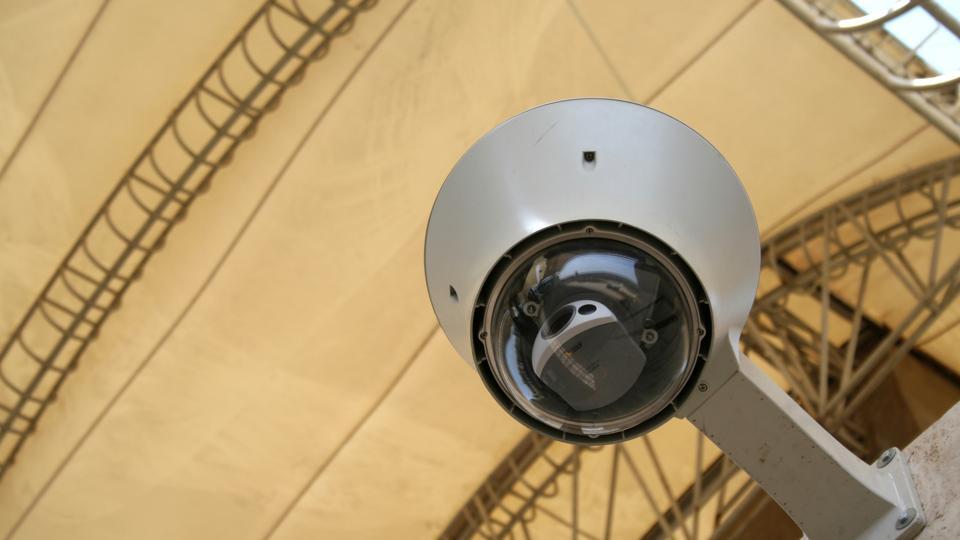
“In the measures, the establishment has to install hand-held metal detectors, door frame metal detectors, and high-resolution cameras. It has to keep the recording of closed-circuit television surveillance cameras for 30 days,” said a second official who asked not to be named.
The bill also gives power to the police to access CCTV footage in case of a crime at such establishments.
“MP Police can inspect the establishment at any time and can ask for recordings for the investigation of a case. Under this bill, the establishment can’t refuse to share the video footages,” said the first official.
The bill will have a provision of fines for violation of safety norms, and also for failing to procure a licence. “In case of violation, the establishment will have to pay a fine. The penalty amount is being finalised,” the official added.
When contacted, Rajesh Rajora, additional chief secretary, MP home department, said, “The state government’s priority is to strengthen the security of people and to make the public place safer. The draft of Public Security bill is ready and after approval of cabinet, it will be tabled in the budget session of the assembly.”
The budget session of the state’s legislature will begin next month.
Once enacted, Madhya Pradesh will become the second state in the country after Andhra Pradesh to have such a law, Rajora added.
The Andhra Pradesh Public Safety (Measures) Enforcement Act came into force in August 2013 and has a provision of fine up to ₹10,000 for non-compliance of rules, including installing CCTV cameras and getting licences.
Last year, Bhopal Police launched an app to get access recorded footage from CCTVs installed at private hospitals, petrol pumps, and malls. However, police are yet to evaluate the success of this app.
Experts said the implementation of the new legislation will be key to get the desired outcome.
“Under the Safe City project, CCTV cameras have been installed at many places but often they are found to be not working. MP has so many laws from fire safety to environment clearances but the implementation is very bad. With introduction of new law, the implementation and monitoring are also necessary,” said Praveen Bhagat, an expert of urban development programmes.
Bhopal Sarafa Association president Naresh Agrawal said, “Instead of asking for certification or license from establishment, the state government should involve different business associations or market association. To give access of footfall and regular visitor of business like jewellery shops can create trouble for people.”
There is also possibility that recorded data can be misused by some miscreants or cyber hacker, he added.