
 E-Paper



‘Suddenly we hear about regime change’: Delhi HC during CJP leaders Saurav Das, Ashutosh Ranka's plea hearing
The observation comes days after a row erupted over senior Supreme Court lawyer Prashant Bhushan’s ‘regime change’ remarks.

 Prefer HTon Google


The Delhi High Court on Wednesday observed that the Cockroach Janta Party’s causes kept changing throughout different protests and said that it was a relevant question for the special executive magistrate (SEM) court to consider.'
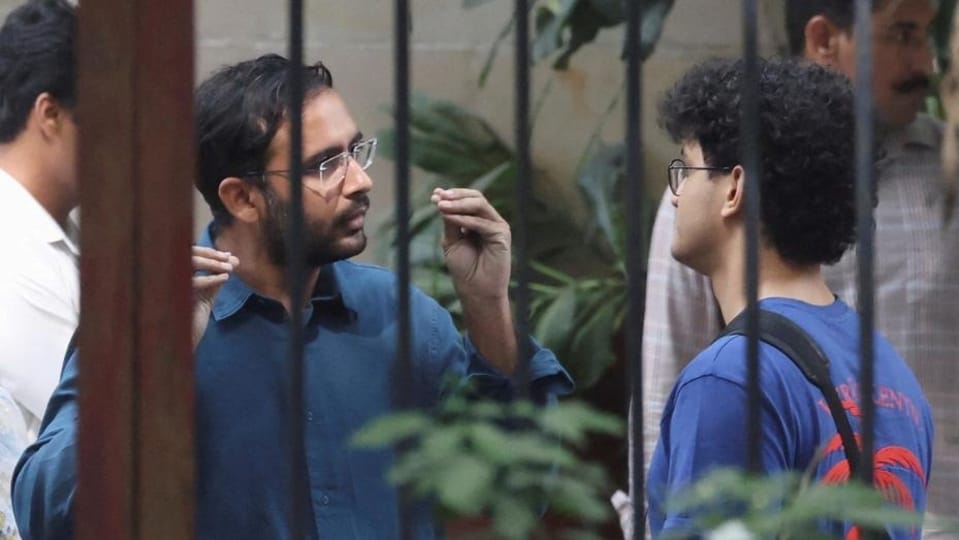
The court was hearing a plea by the two CJP leaders against the extension of their judicial custody by a special executive magistrate (SEM) court.
It also mentioned “regime change”, days after a political controversy erupted over its mention amid ongoing protests.
Deep Dive

“Suddenly, we hear about regime change, which we normally do by ballot,” the court said, Live Law reported. The observation comes days after a row erupted over Senior Supreme Court lawyer Prashant Bhushan’s ‘regime change’ remarks.
What was the controversy?
In a press conference alongside CJP founder Abhijeet Dipke, student organisation leaders and activists, Bhushan said calls for regime change were part of democratic rights and that creating “disaffection” against a government was not a crime under the Constitution.
“The government alleges the opposition wants a regime change... We are currently fighting to ensure that elections are conducted properly. But if this kind of brutality continues, there will certainly be regime change. Yes, we all want regime change,” he had said.
The BJP had criticised the remarks, claiming that they showed that the protests were only a “smokescreen” to foment political unrest in the country.
Delhi HC slams Saurav Das, Ranka
Justice Subramonium Prasad of the Delhi High Court, while hearing the petitions of Saurav Das and Ashutosh Ranka, questioned the purpose of the outfit, saying that when there is an apprehension of breach of peace, such questions will assume importance.
"In the first instance(July), it was students' protests; children were there. Now it is another cause, so therefore, people remain the same, but the cause is changing. Then the next question is, who are you? What are you? What is your association? What is it meant for? What is the purport of your association? When there is an apprehension of breach of peace, all these questions will assume importance,” it said.
“The organisation continues, but the cause changes. Whether such a group of persons whose causes keep on changing - right to protest is there, no doubt - when the Magistrate goes into the question of breach of peace, all these questions assume importance as to who you are and what is your motive,” it added, according to Live Law.
You are not Gen Z: Court
The Delhi High Court on Wednesday also enquired about the age of the two CJP leaders and remarked that they were “not Gen-Z”.
During the hearing, Justice Prasad asked Abhik Chimni, counsel for the petitioners, about their ages. Chimni informed the court that Saurav Das was 27 years old and Ashutosh Ranka was 32. The court replied, “Then you are not Gen Z. What is Gen Z? Court is informed that people born after 1997 are Gen Z. Then you are not Gen Z.”
Das and Ranka were detained and subsequently sent to judicial custody after they trespassed Jantar Mantar, a denotified protest site, on October 13. The SEM court later extended their custody by two days.
The CJP leaders' legal challenge was against this custody extension.
The magistrate had cited concerns over public peace and security, and said the CJP leaders showed “no respect for law” by repeatedly calling for protests at de-notified sites, supporting Delhi Police’s contention that their release could pose an imminent threat to public order, HT earlier reported.
"When your bail bonds are accepted, sureties are given. When a bail bond is broken there is a procedure in BNSS. Instead of following that procedure which can be forfeiting your surety etc, probably they are more benevolent to you by giving you fresh notice," the court remarked.


