Sign in

Can you name a single woman Renaissance master?

Updated on: Aug 29, 2026, 13:08:29 IST
Share
Share via
  • facebook
  • twitter
  • linkedin
  • whatsapp
Copy link
  • copy link
The bias in art history has marginalized women's contributions, leading to forgotten works.

From forgotten Renaissance masters to overlooked abstract pioneers: the women artists history left behind.

It isn’t your fault. The bias in art history goes all the way back (click here for this week’s Wknd special on this). Even women revered in their lifetimes have faded from gallery walls, ended up forgotten in basements, their work covered in mold or attributed to husbands and fathers. That’s finally changing. So what are some of the names you ought to know, whether Renaissance, baroque, or abstract pioneers?

Click on the images for more.

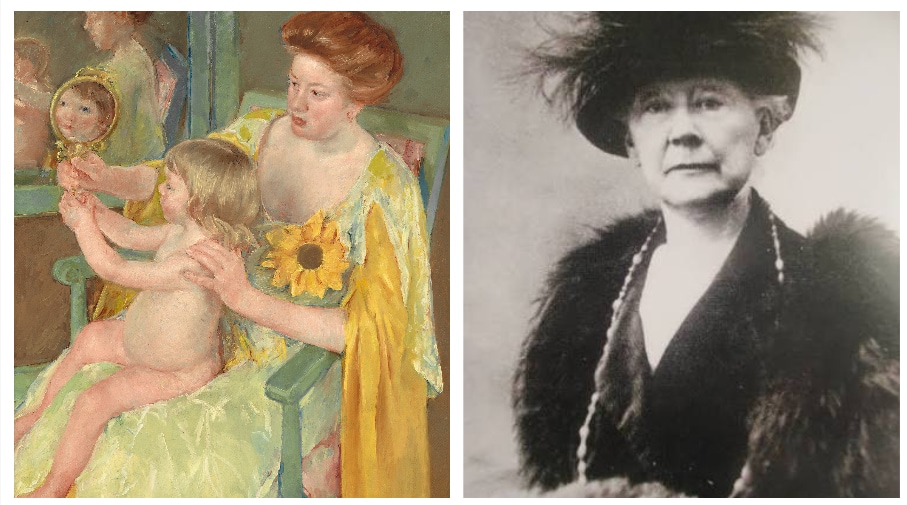
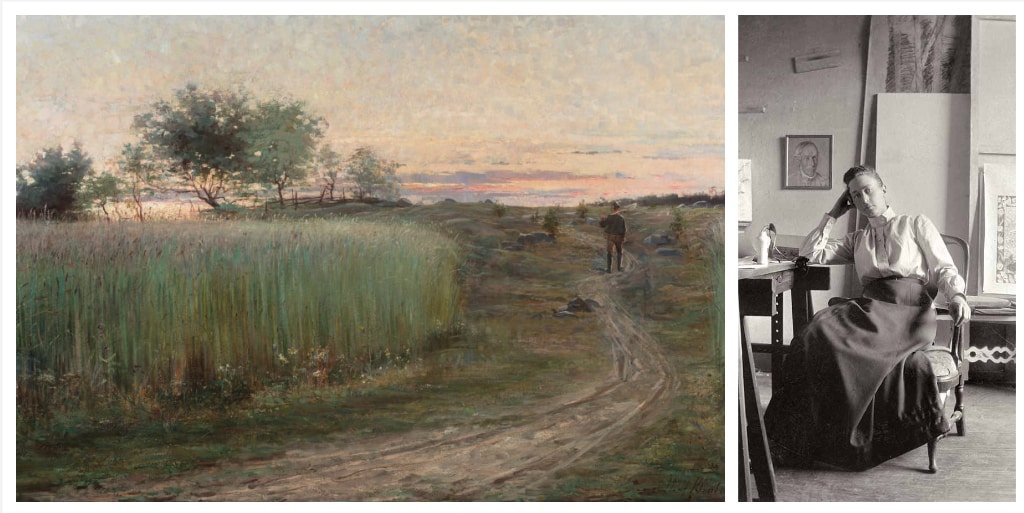
Mary Cassatt (1844 - 1926) was the only American and one of the only three women allowed into the French Impressionists boys’ club led by Monet, Renoir and Manet. Woman with a Sunflower (c. 1905) is one of her many explorations of the Madonna and Child theme. Cassatt (seen above right) painted elegant young women receiving guests at home and enjoying themselves at the theatre; navigating bustling Parisian cafés and claiming public spaces. She advocated for younger artists, connecting collectors with them in her later years. (National Gallery of Art, Washington DC; Wikimedia)
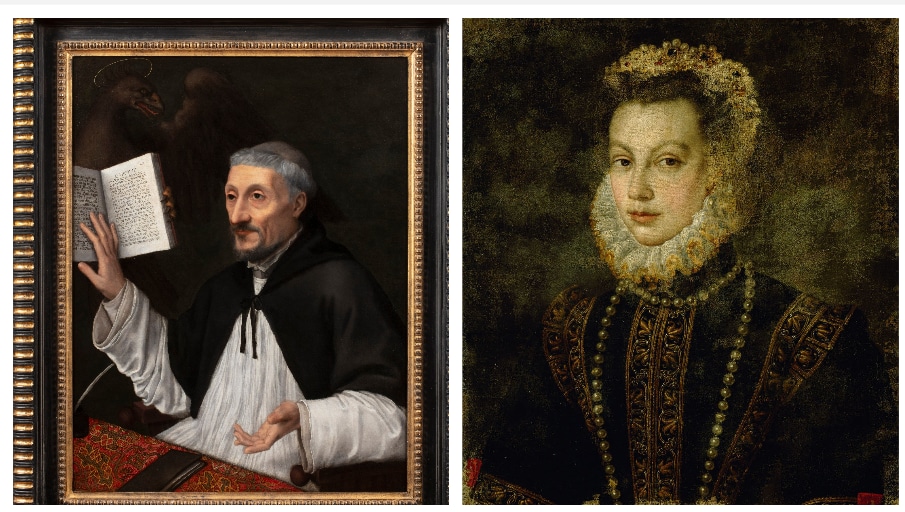
Sofinisba Anguissola (1532 - 1625) is considered the first female master of the Renaissance. Her art was encouraged avidly by her father, a wealthy and ambitious Italian nobleman. Because of the circles in which she moved, she had to limit herself largely to portraits. Above right is her portrait of Queen Isabel of Spain. Art historians say it is her earlier canvases that show signs of what she could have done. Above left is a stellar example. Portrait of a Canon Regular (1552) shows a clergyman mid-lecture, hand resting on an open Bible as an eagle rises behind him, reinforcing his spiritual authority. Note the gentle brushstrokes that cause paint to resemble flesh. (Wikimedia)
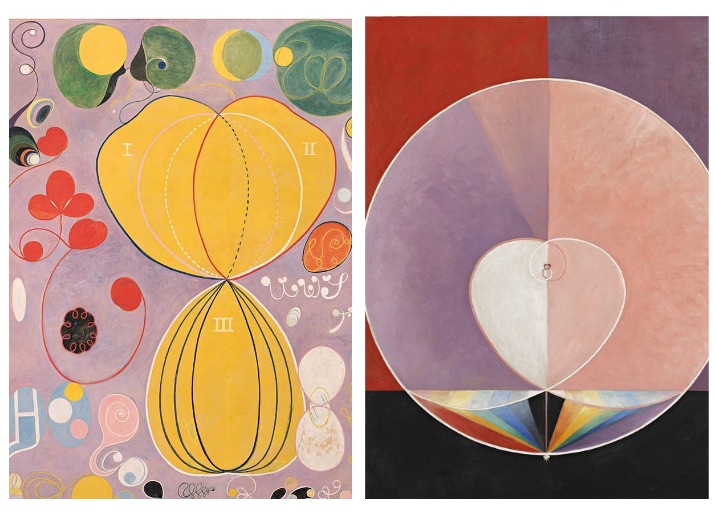
The Swedish artist Hilma af Klint (1862-1944) is now regarded as a predecessor to pioneers of abstract art such as Wassily Kandinsky and Piet Mondrian. In her lifetime, her abstracts were considered so radical, she asked that they be hidden for 20 years after her death. When they finally began to be shown outside Sweden, the timeline of Modernism had to be revised. Nearly half a century on, however, she is still left off lists and out of exhibitions. (Above left) Adulthood; (above right) Colombe. (Hilma af Klint Foundation)
By day, meanwhile, Klint painted serene landscapes. Contrast her Summer Landscape (1888) with the works above. Born in Stockholm to a naval commander from a noble family, Klint (above right) was one of the first women admitted to the city’s Royal Academy of Fine Arts, and graduated with honours in 1887. She had a successful career as an artist, and served briefly as secretary of the Association of Swedish Women Artists. Her abstracts reflected her engagement with new ideas of spiritualism and mysticism then sweeping Europe. (Wikimedia; Hilma af Klint Foundation)
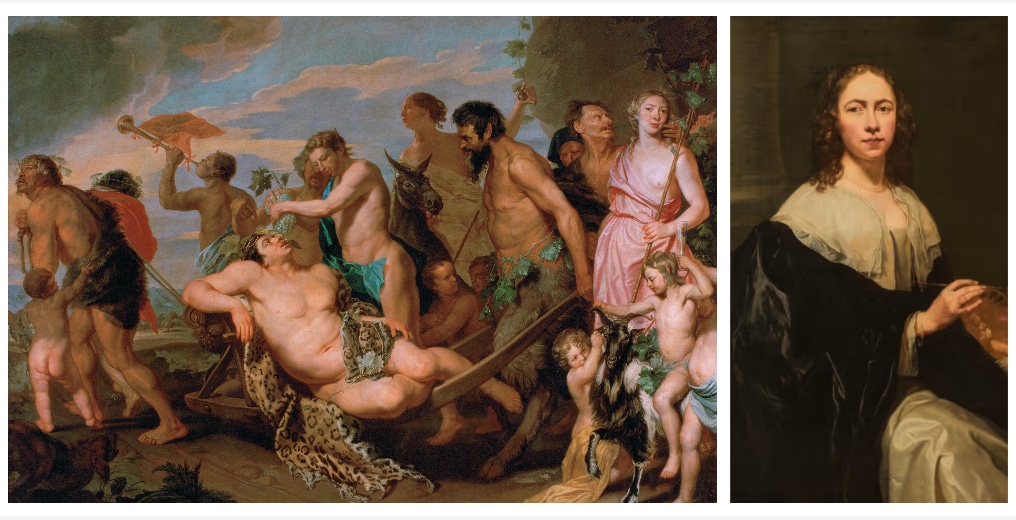
Michaelina Wautier (1614 - 1689) was forgotten for nearly three centuries. It was another woman who excavated her work. Art historian Katlijne van der Stighelen was looking through the warehouse of the Kunsthistorisches Museum in Vienna in 1993 when she came upon a sweeping scene of pagan debauchery, with a drunken god Bacchus at its centre. Triumph of Bacchus is above left. Note how the artist cast herself as a priestess, the only character who meets the viewer's gaze. Above right, a self-portrait from 1650 seems to convey all she wanted to say: Wautier sits unsmiling beside an easel, surrounded by the tools of her trade. Born in present-day Belgium, little is known about her life. (Wikimedia and Royal Academy, London)
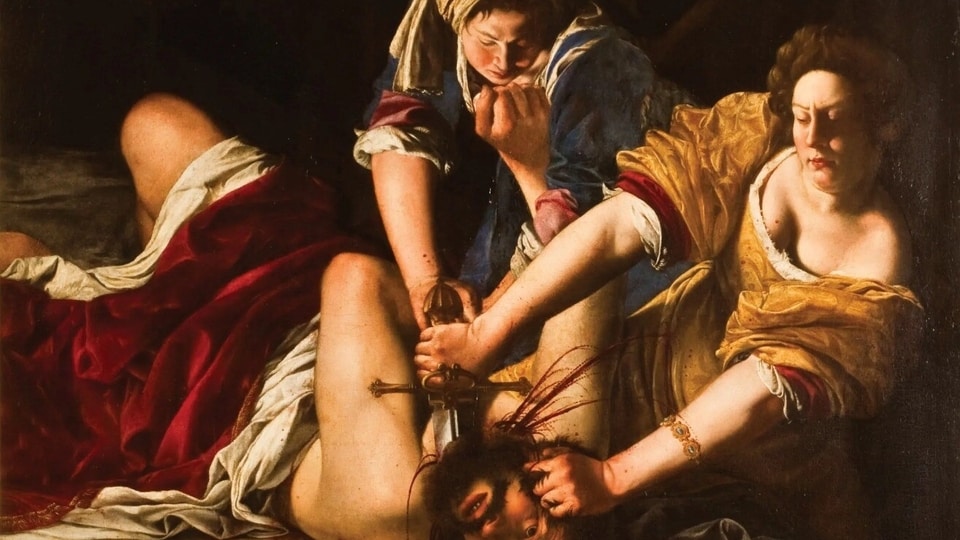
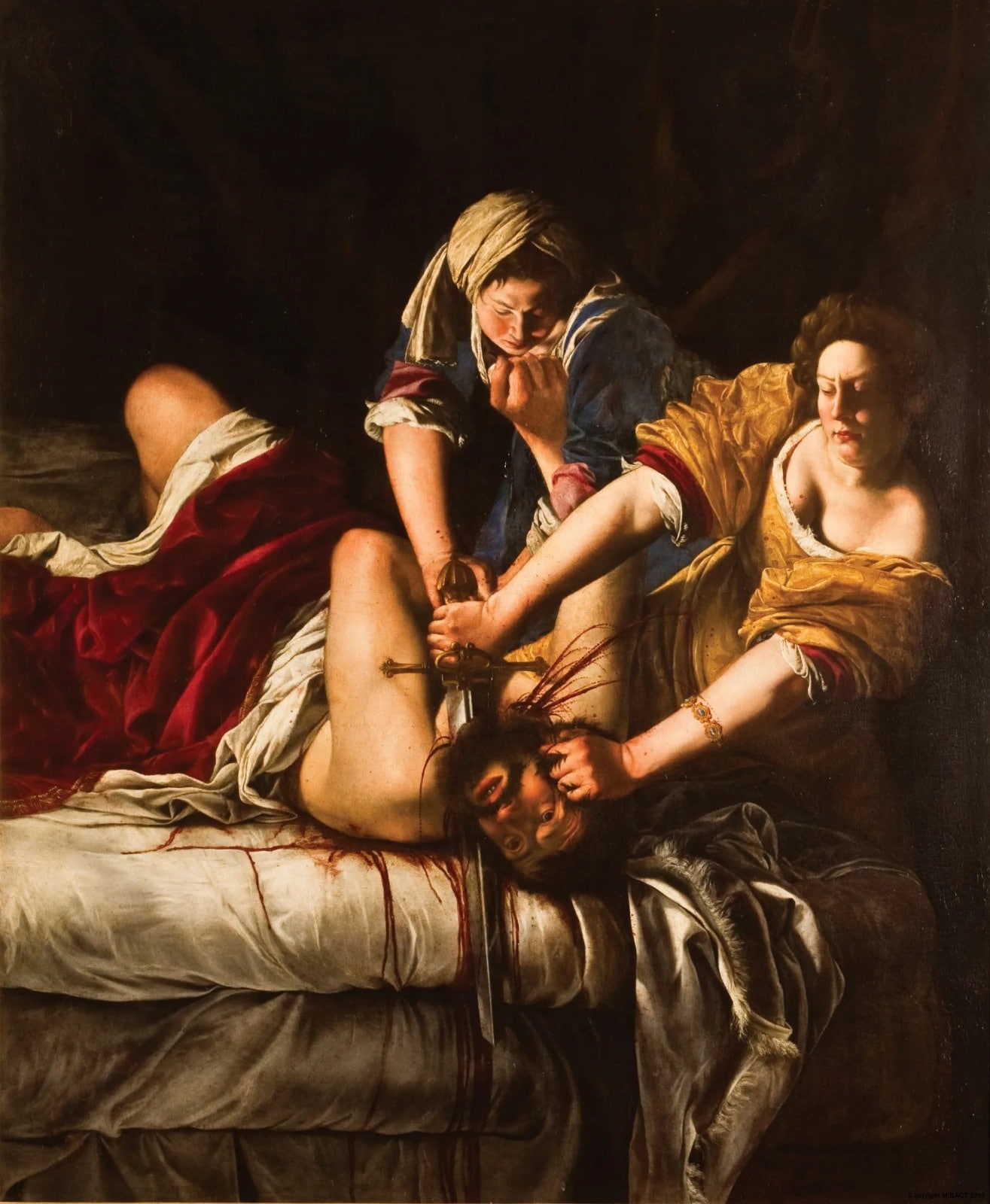
Artemisia Gentileschi (1593 - 1654) is now known as the forgotten master of the baroque era. Above left, she delivers a Judith unlike any other, showcasing the sheer brute force required to carry out the horrific task of Judith beheading Holofernes (a scene from the Bible). Gentileschi was producing commissioned work by 15. Some of it was likened to the work of Caravaggio. A rape survivor, she is known for exquisite depictions of light and shadow, and of powerful female characters, often shown wreaking vengeance. (Wikimedia)
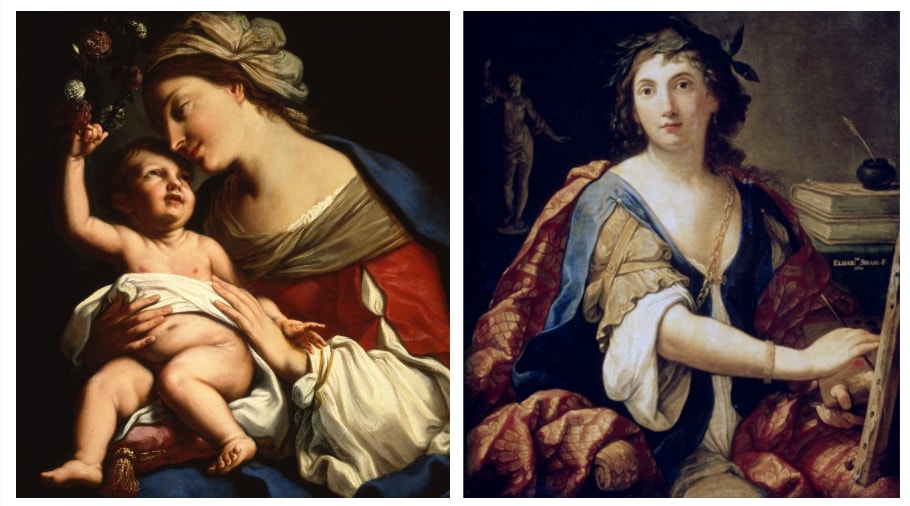
At 19, Elisabetta Sirani (1638 - 1665) took over her family’s painting and printmaking workshop, making altarpieces, historical canvases and portraits for elite patrons in Bologna. She would only live another eight years, dying at 27 from what was likely a ruptured ulcer. But in that brief time, she produced over 200 paintings. She was so prolific, there were rumours she wasn’t painting all she claimed to be painting, so she held public demonstrations to prove what she could do. Above left is her work titled Virgin and the Child (1663); above right, Self Portrait as Allegory of Painting (1658). (National Museum of Women in the Arts, Washington DC)
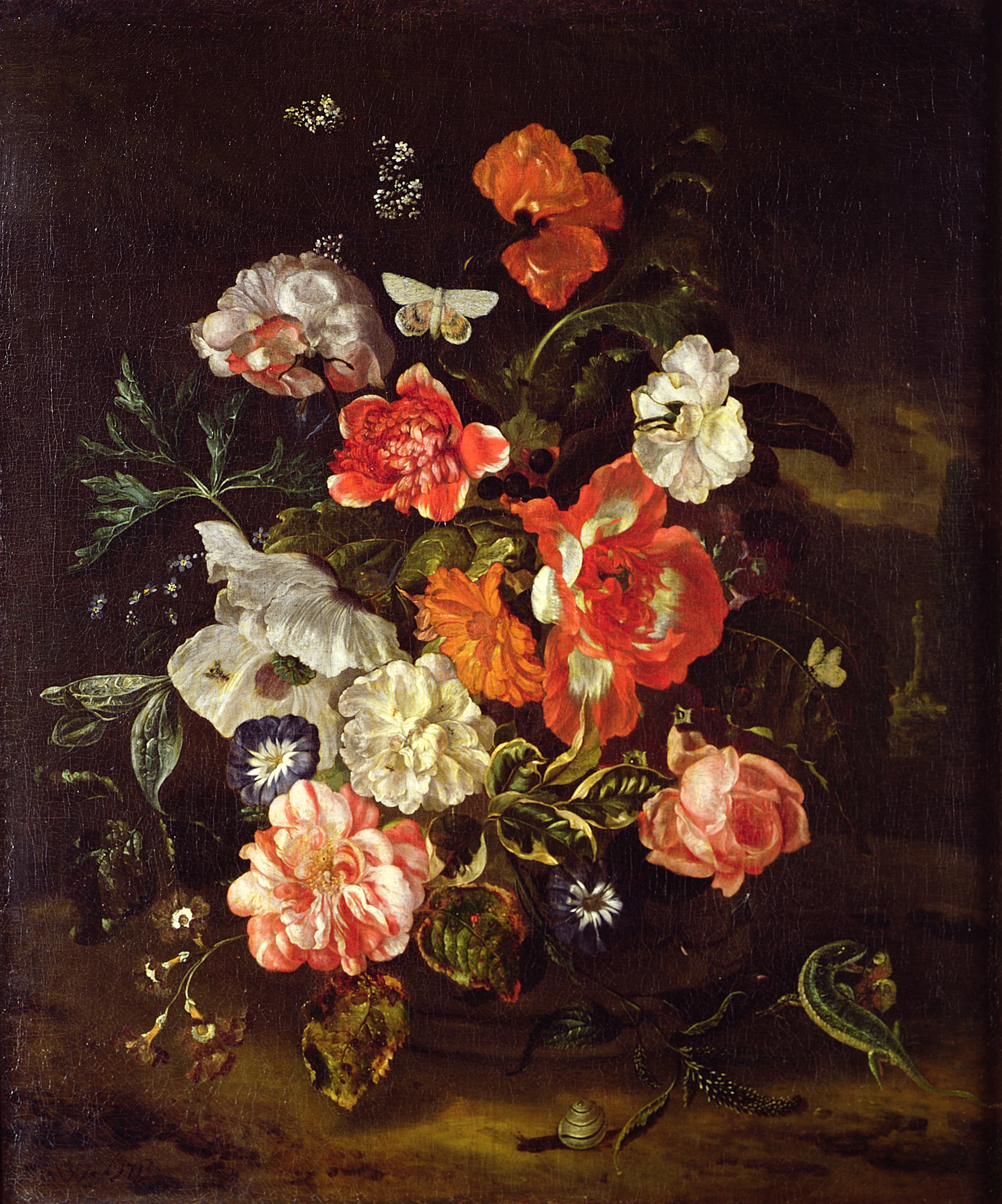
Time is almost a character in the art of Dutch artist Josina Margareta Weenix (1684 - 1724). Trained in the family studio, she is relatively new to art-historical literature. It was only in 2020 that historians Sam Segal and Klara Alen first linked her to a small group of still lifes: a dozen paintings of flowers and fruit. Note how the ones depicted here are fading, crinkling and curling in places. (MSK Ghent)
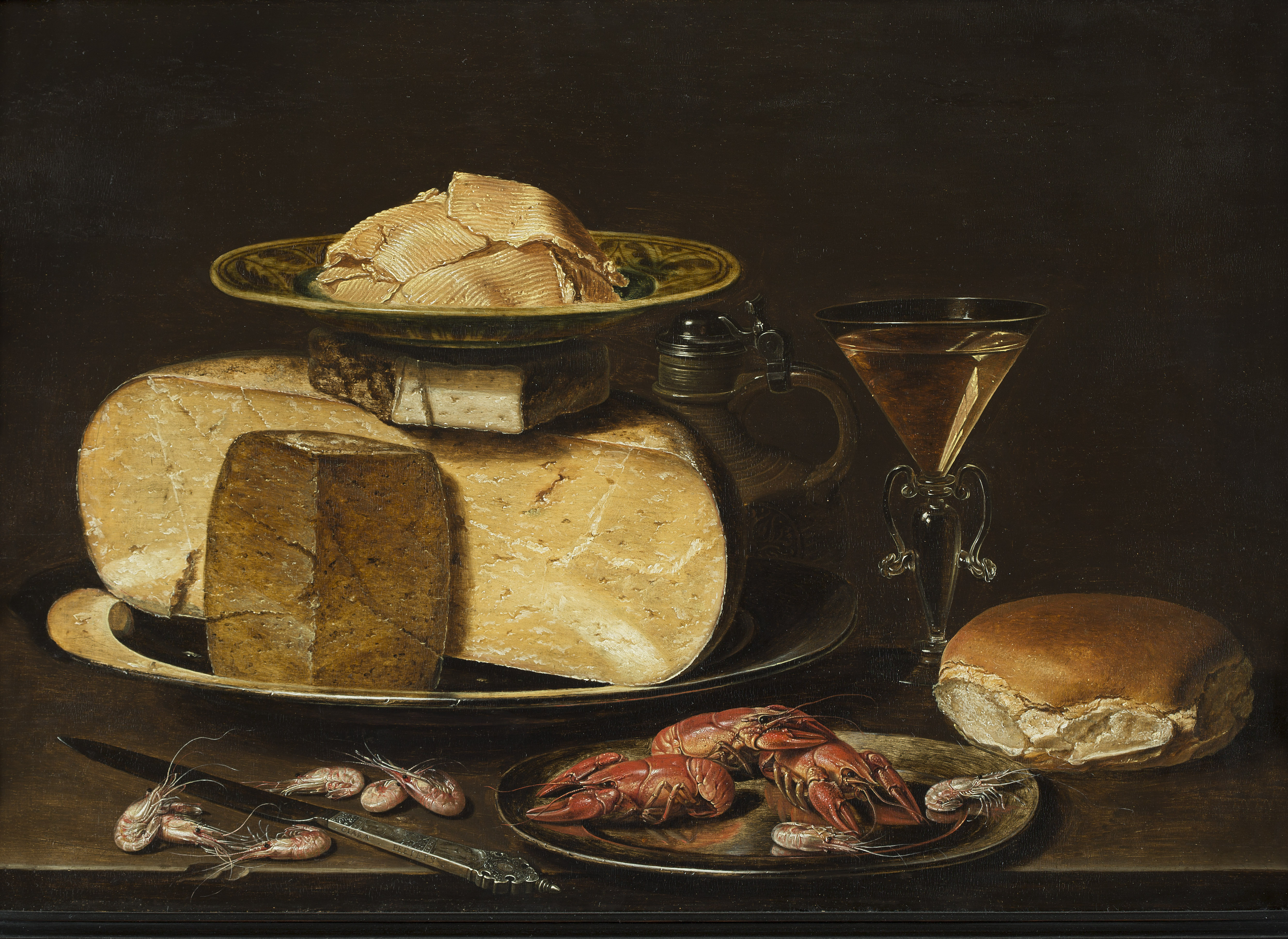
Clara Peeters (c. 1594 - 1676) created floral still-lifes that display an incredible command of optical effects. She combined botanical accuracy with hyper-realistic details such as dewdrops and insect-bitten leaves. In Cheesestack with Knife, Shrimps, Crawfish, Glass of Wine and Bread (1615), note how she captures a window in her studio, reflected sharply in the curve of a decorative wine glass. (MSK Ghent)
Explore the latest Lifestyle News on health, fashion, travel, relationships, food and festivals. Find useful tips, expert advice, trends and inspiring stories for everyday living.