E-Paper



Why do Bengali brides wear Shakha Pola after marriage? Understanding the meaning behind the white and red bangles

 Prefer HTon Google


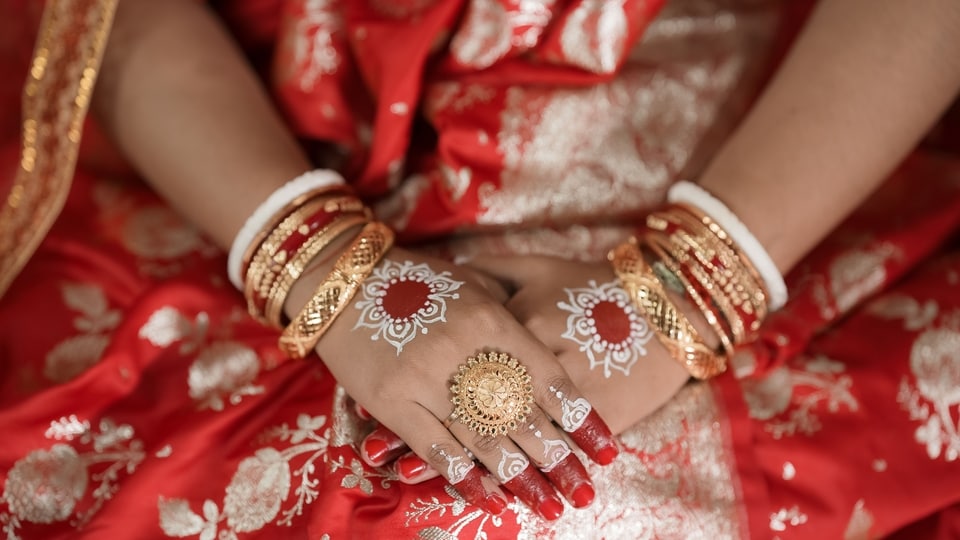
From marriage rituals to cultural identity, here are the reasons why Bengali women wear Shakha pola bangles.
The white and red bangles worn by Bengali married women are more than just traditional jewellery. Known as Shakha Pola, they are closely associated with marriage, cultural identity and long-standing customs in Bengali households. While the bangles are often recognised as symbols of married life, their significance goes beyond their appearance. Saru Subba, historian and founder of Carol School Guwahati, explained what makes Shakha Pola an enduring part of Bengali culture.
Also read | A thousand facets: The story of natural diamonds beyond the gems
Significance of Shakha Pola
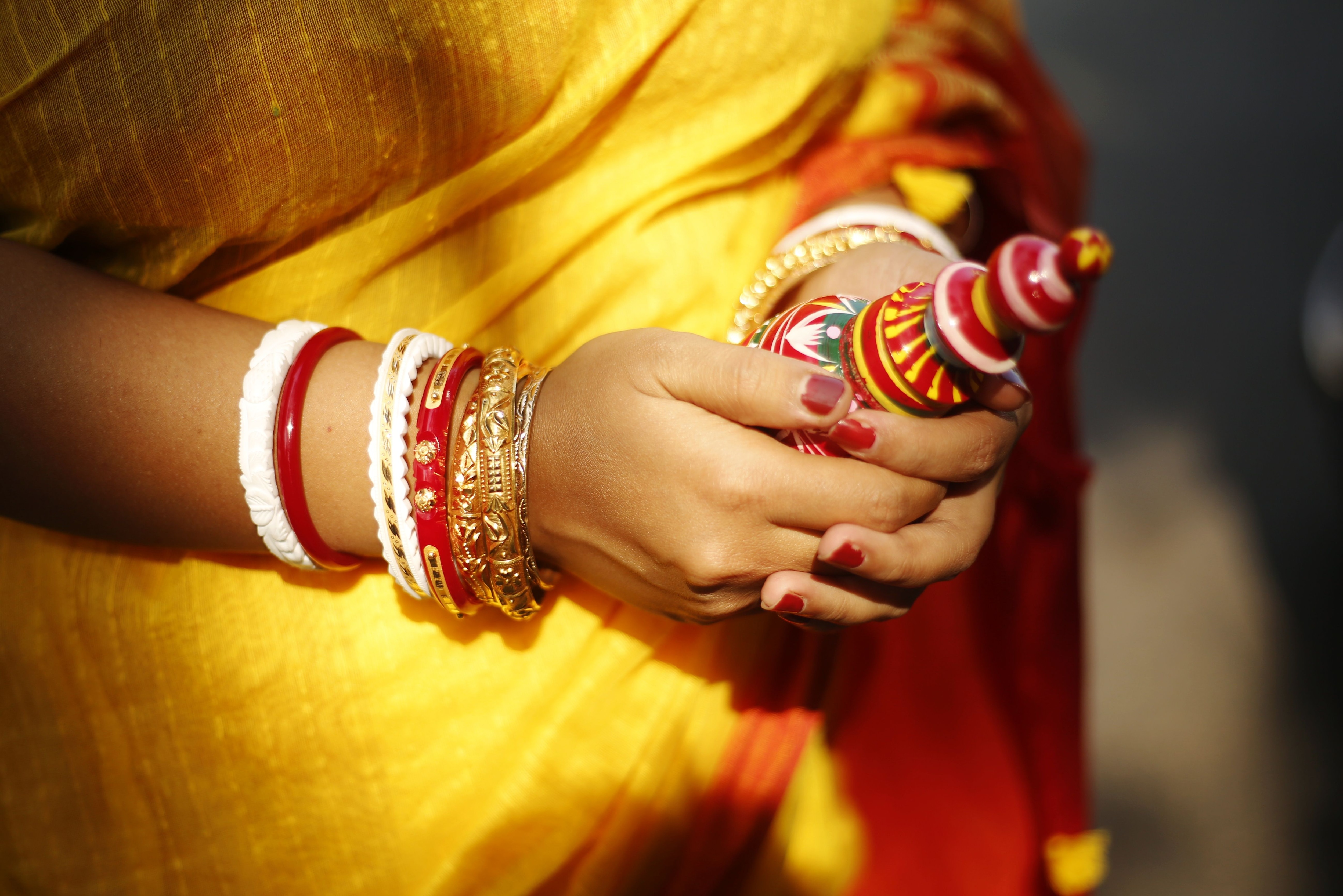
Saru highlighted that Shakha pola is much more than a piece of traditional jewellery. It is a cultural marker of marriage in Bengali Hindu society, carrying associations with marital identity, auspiciousness, family traditions and the continuity of customs across generations. The two bangles, typically worn together by married women, are distinguished by their materials and colours.
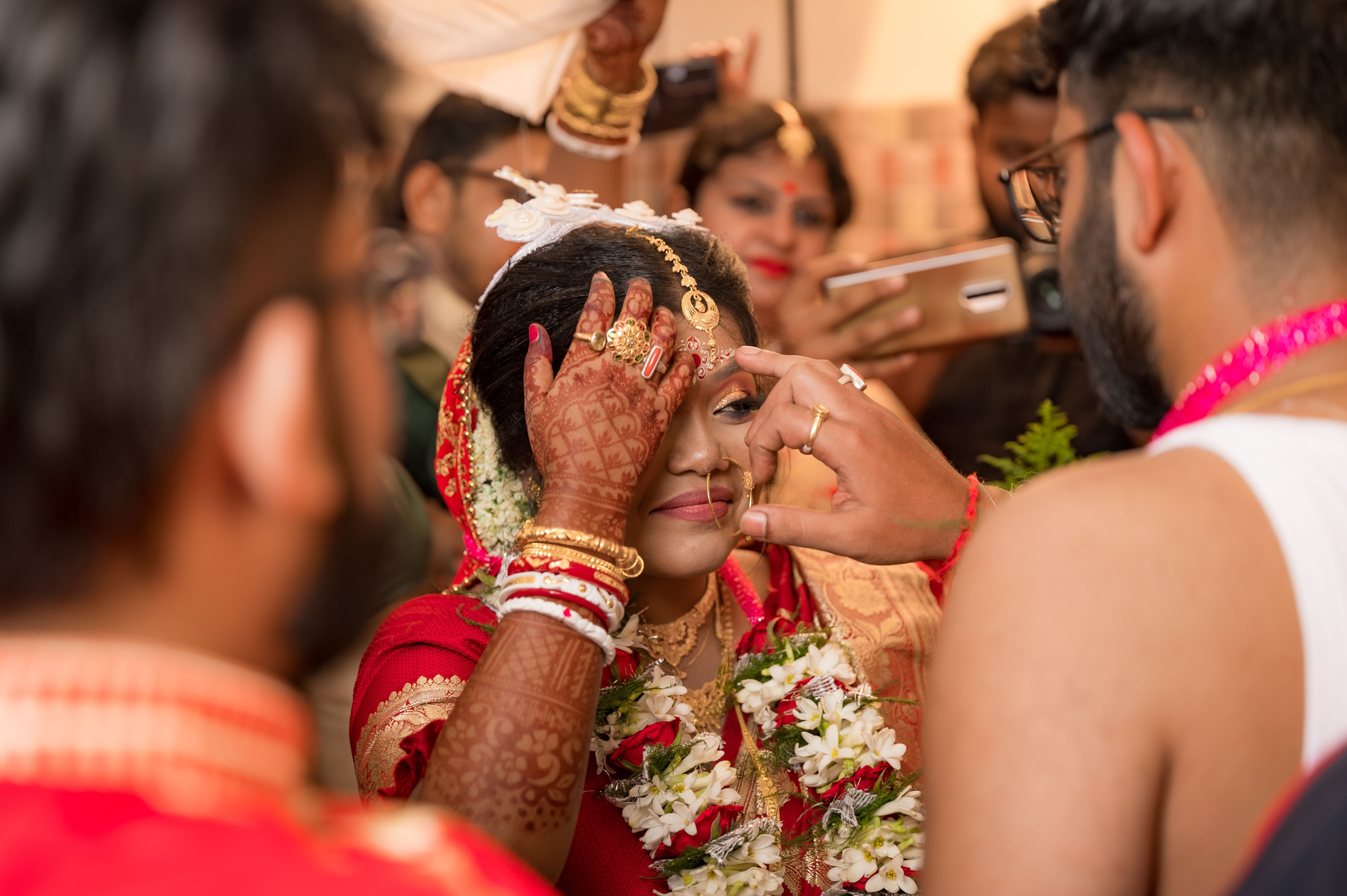
“Shakha is traditionally made from conch shell, while pola is made from red coral or, in contemporary versions, other red materials,” Saru explained. Their significance comes not only from their appearance but also from the cultural meanings attached to them through generations of Bengali social and religious practice.
The meaning of white and red bangles
“The white of the shakha is commonly associated with purity, peace and auspiciousness, while the red of the pola is associated with vitality, prosperity, fertility and the energy of married life,” Saru explained. These interpretations reflect broader symbolic associations found in Hindu traditions, where white and red have long held ritual significance.
Red, in particular, is prominent in wedding ceremonies, vermilion application and bridal clothing across several Indian communities. In Bengal, the combination of white and red has acquired a distinct regional identity through its association with married women and traditional Bengali weddings.
Historically, conch shell ornaments have had a place in Bengal's material and ritual culture. According to Saru, the availability of conch shells through maritime and trading networks, along with specialised craftsmanship, contributed to the development of the shakha-making tradition.
Skilled artisans transformed shells into bangles, a practice that became closely associated with Bengali Hindu marriage customs. The pola, traditionally associated with red coral, completed this pairing. Over time, the two bangles came to be recognised as an important marker of a woman's married status within many Bengali Hindu communities.
However, it is important to understand that the custom is neither universal nor identical across all Bengali households. Practices differ according to region, family tradition, caste and community. While shakha pola remains particularly prominent among Bengali Hindu women, not every married Bengali woman wears these bangles, and their significance may be interpreted differently by different families.
Note to readers: This article is for informational purposes only and not a substitute for professional advice. HT.com has not independently verified the claims and does not endorse them.