
 E-Paper



Busted: 5 studies that changed our world in 2014
In case, you've been living under a rock, 2014 put a stop to a lot of popular notions. Here's a round-up of interesting studies and news from the world of genes, human behaviour and cigarettes that took us by surprise and made us rethink what we already knew.


Do you ever wonder why men and women think so differently? Well, at some point we all thought that men and women have different brains. But in 2014, one scientist showed us that men are NOT from Mars and women are NOT from Venus and that there's nothing like a 'male brain' or a 'female brain', after all. She claimed that male and female brains weren't wired differently; in fact, they were the same!

In case, you've been living under a rock, 2014 put a stop to a lot of popular notions. Here's a round-up of interesting studies and news from the world of genes, human behaviour and cigarettes that took us by surprise and made us rethink what we already knew:

1 And you thought afternoon naps were harmless?
Granted, it seems a pretty harmless occupation, but taking an afternoon nap can knock years off your life. Adults who sleep for an hour or more in the day increased the chances of premature death by almost a third, experts at Cambridge found. The biggest risks appeared to be associated with lung diseases, such as bronchitis, emphysema and pneumonia. Moreover, adults who nap every day are up to two-and-a-half times more likely to die from respiratory illnesses than those who don’t. Researchers said that this could be because napping triggers inflammation in the body. However, the findings, published in the American Journal of Epidemiology, also suggested that dozing during the day could be a signal that the person already has lung disease.

2 Being gay is in your genes!
Being gay could be in the DNA, said scientists in controversial new DNA study. Scientists have found two stretches of DNA linked to homosexuality in men. The confirmation of the existence of a ‘gay gene’ or genes will strengthen arguments that homosexuality is a matter of biology, rather than choice. It is not known which of the many genes they contain are key or how they affect the development of sexual orientation. However, the result, revealed at a science event in Chicago, backs up a contentious 1993 study. That research, the first to find evidence of a 'gay gene', created a storm of controversy, which was further fuelled when other scientists failed to find a genetic link.
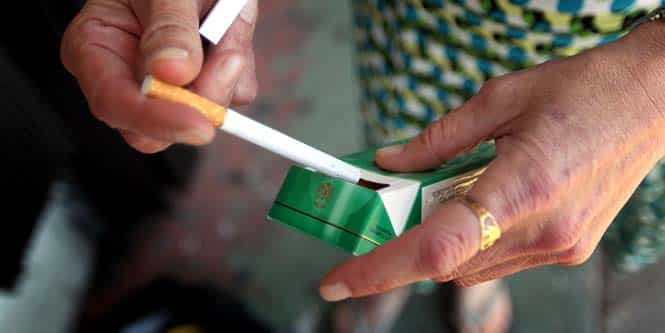
3 Menthol cigarettes are no better, they're more addictive, more risky
Young people who smoke menthol cigarettes smoke almost double the amount of tobacco, new research has revealed. A study found that menthol users smoked an average of 43 cigarettes a week, close to double the 26 smoked by non-menthol users. 'The appeal of menthol cigarettes among youth stems from the perception that they are less harmful than regular cigarettes,' said Sunday Azagba, lead author of the study conducted at the University of Waterloo in Canada.
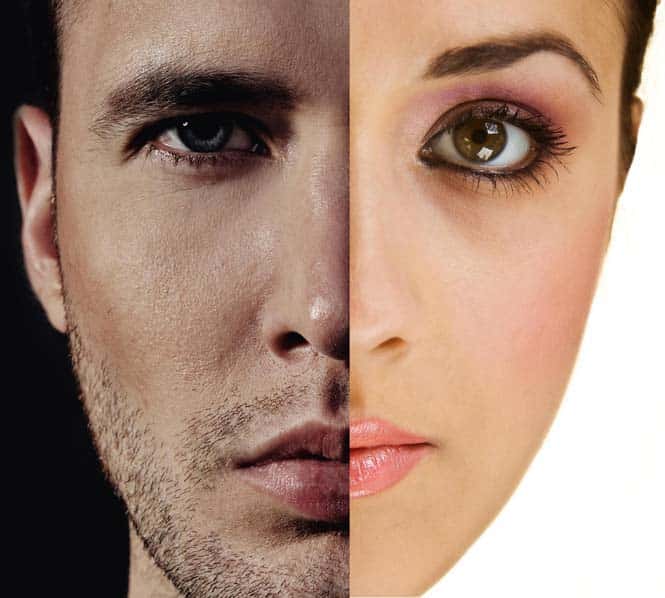
4 Men are not from Mars after all!
A neuroscientist has claimed the expression 'Men are from Mars and women are from Venus' has no scientific grounding, and that instead our brains are changed by the roles society forces us to play. According to Gina Rippon, a professor at Aston University in Birmingham, stereotypes - such as women's supposed inability to read maps, or the idea men are bad at multitasking - have no links to science. Instead of being wired in different ways, Professor Rippon said that men and women are only dissimilar because the world we live in encourages gender role-playing. The Telegraph reported that Prof Rippon said that she disagreed with gender stereotypes instilled in children from a young age. The fact that boys and girls are given different toys based on their sex is what creates gender differences within the brain, she said. By playing with a Barbie rather than a train, for example, a girl's brain is programmed to become more feminine.
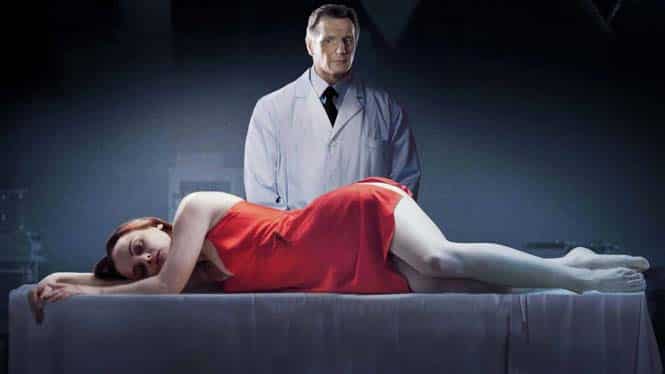
5 Behold: Near-death patients do see afterlife
Doctors claimed to have found the first scientific evidence that patients have experiences of an afterlife when they are clinically dead. One in 10 heart attack patients experienced emotions, visions and lucid thoughts when they had been unconscious with no pulse and no breathing activity, say the researchers. The study was believed to be the first to ensure that the patients who reported a near-death experience (NDE) were clinically dead before being resuscitated. The findings also contradict the notion that lack of oxygen is responsible for NDEs. Those who had the most compelling experiences had the best reserves of oxygen. Debate has raged for more than a century over whether the sense of entering another world, feelings of peace and a light at the end of a tunnel are evidence of an afterlife, or simply hallucinations. The latest study, by Southampton University researchers, suggested the mind may continue to exist after the brain has ceased to function and the body is clinically dead.


