
 E-Paper



Avoid holiday food hazards: Essential safety tips for Thanksgiving meals

 Prefer HTon Google


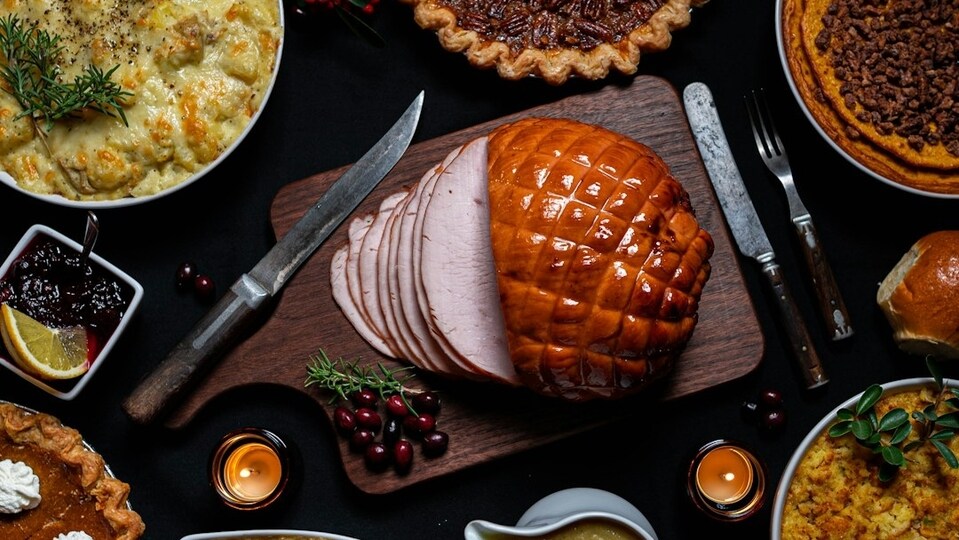
As the holidays approach, food safety becomes vital. Handle turkey properly to avoid contamination, cook it to 165°F, and store leftovers promptly.
Ready or not, the holidays are here. It's a time when many Americans accustomed to preparing simple meals find themselves responsible for safely serving multi-dish feasts. It's no easy task. Outbreaks of some types of food poisoning tend to rise in November and December, according to the U.S. Centers for Disease Control and Prevention. Tainted turkey, undercooked stuffing and germ-laced gravy from holiday buffets have all led to past illnesses — and even deaths — CDC investigators have found.
It can be tricky for occasional cooks to prepare big meals in a way that avoids the common hazards that can make people sick, said Donald Schaffner, a food science expert at Rutgers University. “Cooking takes longer with big masses of food. Cooling takes longer with big masses of food,” said Schaffner, who co-hosts the food-safety podcast “Risky or Not?”
Together with podcast co-host Benjamin Chapman, a food scientist at North Carolina State University, Schaffner outlined common ways to keep holiday meals both festive and safe.
Prepare the turkey
Nearly 90% of U.S. hosts plan to serve turkey on Thanksgiving this year, according to the turkey producer Butterball. But raw turkey can harbor illness-causing bacteria such as salmonella, campylobacter and other germs. It must be handled safely to prevent those bugs from contaminating refrigerator surfaces, sinks and kitchen counters.
A frozen bird must be thawed first. There are several accepted methods, including in the refrigerator, in the microwave or in cold running water, Schaffner said. “All of these methods pose risks,” he cautioned.
A frozen turkey needs about 24 hours for every 4 to 5 pounds of weight to thaw in a refrigerator, according to the Agriculture Department. If you use a microwave or the cold water method, the bird must be cooked immediately. For details about safe turkey handling, check out the thawing and cooking calculators created by the USDA.
And don’t wash the turkey. It’s a bad idea to rinse it in the sink, even though many cooks still insist on the practice, often out of habit, said Chapman. “Anything that hits that surface and generates spray is going to basically spread contamination around your kitchen,” he said. Instead, pat the turkey dry with paper towels and toss them, or use a kitchen towel and disinfect it in the laundry.
What about roasting?
Turkey needs to reach a cooked temperature of 165 degrees Fahrenheit before serving. The best way to tell if it’s cooked is to use a tip-sensitive digital thermometer inserted in the innermost section of the thigh, not touching the bone.
Don’t rely on the plastic pop-up thermometers stuck in some commercial turkeys. Chapman’s past research shows that those buttons can activate well before the bird is actually done.
At the same time, don’t determine doneness by relying on signs such as golden-brown skin, whether the meat is no longer pink or whether the juices run clear. “None of those are great indicators of temperature,” Chapman said.
Side dishes and leftovers
How you handle the rest of the meal — mashed potatoes, gravy, green beans or yams — is just as important as the main dish. It’s crucial to avoid the so-called danger zone of temperatures between 40 degrees and 140 degrees Fahrenheit, where bacteria can easily grow.
The key is to keep hot foods piping hot and cold foods cold — and to refrigerate everything promptly, Schaffner said. “The recommendation is that you get those leftovers into the refrigerator within two hours of when they came off of the stove,” he said.
Make sure to refrigerate dense foods like sliced turkey, cooked sweet potatoes or gravy in shallow containers to help them cool down fast. Schaffner’s recent research showed that foods cooled in containers at a depth of no more than 2 inches posed little risk of growing dangerous germs.
Keep it clean
One key way to avoid food poisoning is through scrupulous cleaning in the kitchen. Wash your hands before preparing food and after touching raw poultry. Use separate cutting boards, knives and other utensils when handling raw meat and fresh foods such as vegetables and salads.
Pay close attention to any surface that may be contaminated. It’s important to clean first with soap and water and then sanitize with a disinfectant — a two-step process.


