
 E-Paper



AIIMS-trained gastroenterologist explains not all seeds are the same, debunks 8 myths: ‘Each one has different fibre…’

 Prefer HTon Google


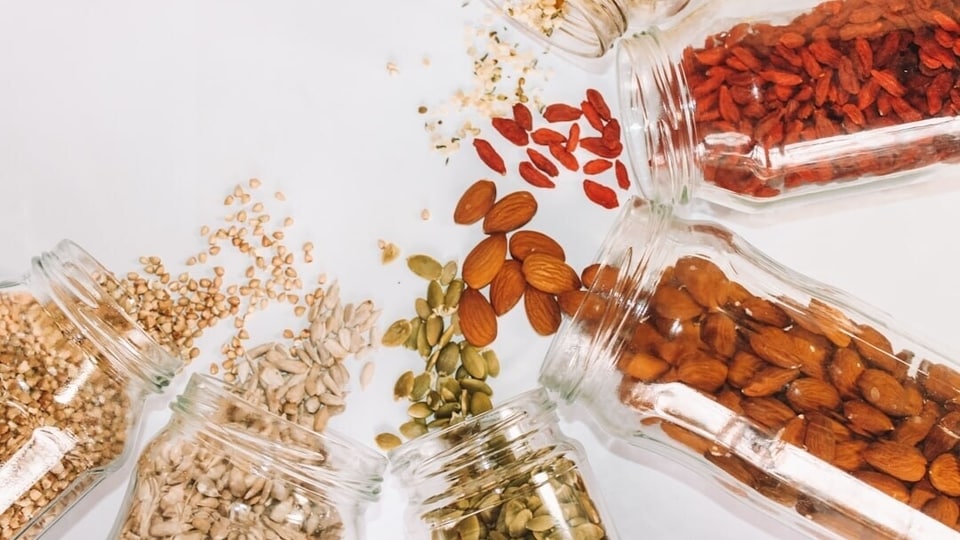
Seeds are hailed as tiny but mighty superfoods but only when consumed the right way. Dr Sethi debunks 8 myths so you can start eating seeds the right way!
Seeds are often hailed as superfoods - small but mighty nutritional powerhouses packed with fibre, healthy fats, and essential micronutrients. However, as beneficial as they are, many people use them incorrectly, leading to issues like bloating, constipation, or nutrient loss. From tossing them raw on salads to assuming all seeds offer the same benefits, several myths surround their consumption. Understanding how to eat them the right way can make all the difference - unlocking their true gut-healing and health-boosting potential.
Dr Saurabh Sethi, a gastroenterologist trained at AIIMS, Harvard and Stanford Universities, is breaking down common misconceptions about consuming seeds like chia, flaxseeds and basil seeds. In an Instagram post shared on October 20, the gastroenterologist highlights, “Seeds aren’t magic, but they’re powerful when used right. Don’t waste their potential.” He debunks eight prevalent myths about seeds.
“All seeds are the same”
Not all seeds are created equal - and according to Dr Sethi, treating them as the same is a common mistake. Chia isn’t the same as flax, and flax isn’t the same as pumpkin or sunflower seeds. He explains, “Each one has different fibre, fats, and benefits. Smart gut health equals smart variety.”
“Flaxseed is great raw”
The gastroenterologist emphasises that flaxseeds should always be ground before consumption, as this helps release their nutrients and ensures the body absorbs their full benefits. He explains, “Whole flax goes right through you. You need to ground flax to unlock the omega-3s and fibre. Otherwise, it’s gut-inactive.”
“Seeds don’t need water”
Dr Sethi stresses that hydration is key to consuming seeds. When chia, flaxseeds, and basil seeds are soaked, they absorb the liquid and swell up. Eating them dry can get you bloated or cause constipation.
“Seeds are just toppings”
Dr Sethi emphasises that seeds aren’t merely decorative toppings - a small teaspoon won’t make much impact. To truly benefit, aim for 1-2 tablespoons daily. He recommends dosing over drizzling.
“Chia and basil seeds are interchangeable”
According to the gastroenterologist, basil and chia seeds look alike in texture, but they are not interchangeable, since their functions differ. He explains, “Both need to soak in water - but their benefits differ. Basil seeds cool the gut and may ease reflux. Chia is better for omega-3s and satiety.”
“Seeds are low calorie”
Dr Sethi emphasises that seeds are not low in calories, and portion control plays a crucial role. They are nutrient dense, containing a variety of fats, fibres and calories. He recommends one to two tablespoons daily, however overdoing it might be counterintuitive.
“Seeds don’t expire”
Dr Sethi notes that even seeds can turn rancid if not stored correctly, especially flax and chia, which can diminish their nutritional value. Fresh seeds are always more functional and he recommends storing them in the fridge or freezer.
“Seeds don’t help the gut”
Seeds might look tiny, but they come with powerful benefits when used correctly. Dr Sethi explains, “The fibre, prebiotics, and anti-inflammatory fats can support digestion, reduce bloating, and boost microbes.”
Note to readers: This article is for informational purposes only and not a substitute for professional medical advice. It is based on user-generated content from social media. HT.com has not independently verified the claims and does not endorse them.


Catch your daily dose of Fashion, Taylor Swift, Health, Festivals, Travel, Relationship, Recipe and all the other Latest Lifestyle News on Hindustan Times Website and APPs.


