
 E-Paper



Can PMOS symptoms change with age? Doctor explains signs in your 20s, 30s and 40s

 Prefer HTon Google


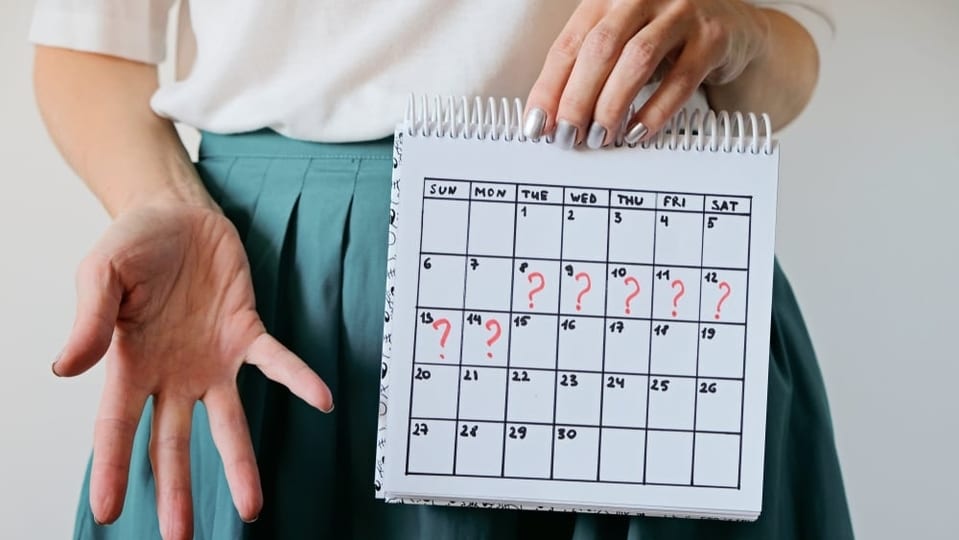
From acne to diabetes risk, the symptoms are not static and keep changing with age.
Health conditions can present differently at different ages. Understanding these changes is critical, as symptoms often evolve alongside physiological changes. Although the nature of the symptoms may shift, this should not be interpreted as a sign that the condition has improved or disappeared. We will examine such age-related symptom changes in one condition.
PCOS, polycystic ovary syndrome, now called polyendocrine metabolic ovarian syndrome (PMOS) can present differently with age. So, what changes can women expect?
Dr Asha Dalal, director of obstetrics and gynecology at Sir H.N. Reliance Foundation Hospital, told HT Lifestyle that PCOS symptoms are not static and may manifest differently over time. Therefore, women with PCOS should understand how the condition may evolve as they age.
She confirmed, “PMOS is often thought of as a condition that looks the same throughout a woman’s life. But that’s not always the case. As women move through their 20s, 30s, and 40s, the symptoms and health concerns linked to PMOS can change. What is noticeable in your 20s may look very different by your 40s.”
In other words, PMOS does not follow one fixed pattern throughout a woman's life. This is why it is important to get a bigger picture of the entire thing.
Dr Dalal shared these PMOS signs across the decades:
In your 20s: Reproductive and cosmetic phase
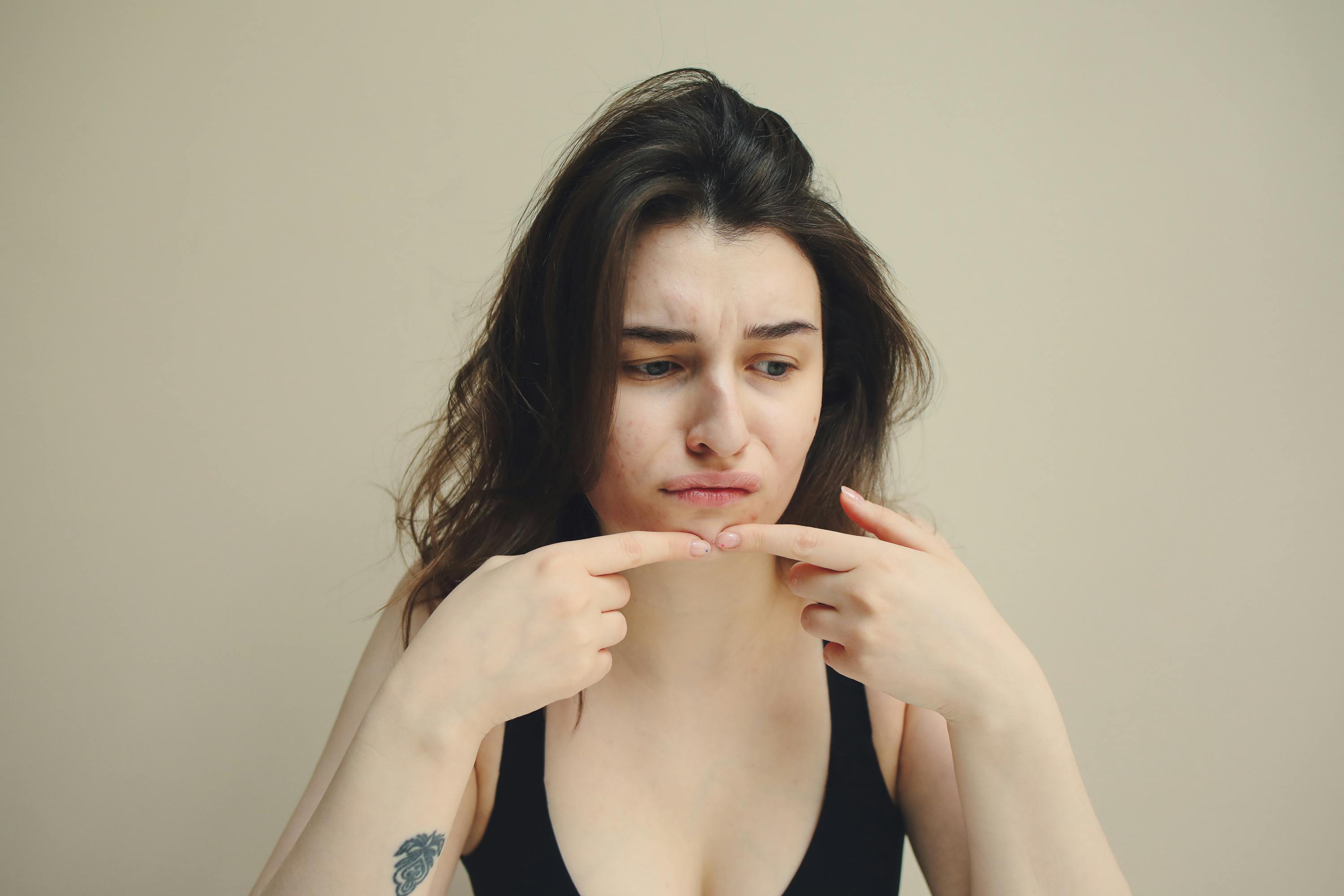
1. Irregular or missed periods are often one of the first signs that lead women to seek medical advice.
2. Acne, unwanted facial or body hair, and scalp hair thinning can occur because of higher androgen levels.
3. Weight gain, particularly around the abdomen, can become noticeable.
4. Fertility concerns may emerge later in this decade, and for some women, difficulty conceiving may be when PCOS is diagnosed.
In Your 30s: Metabolic phase
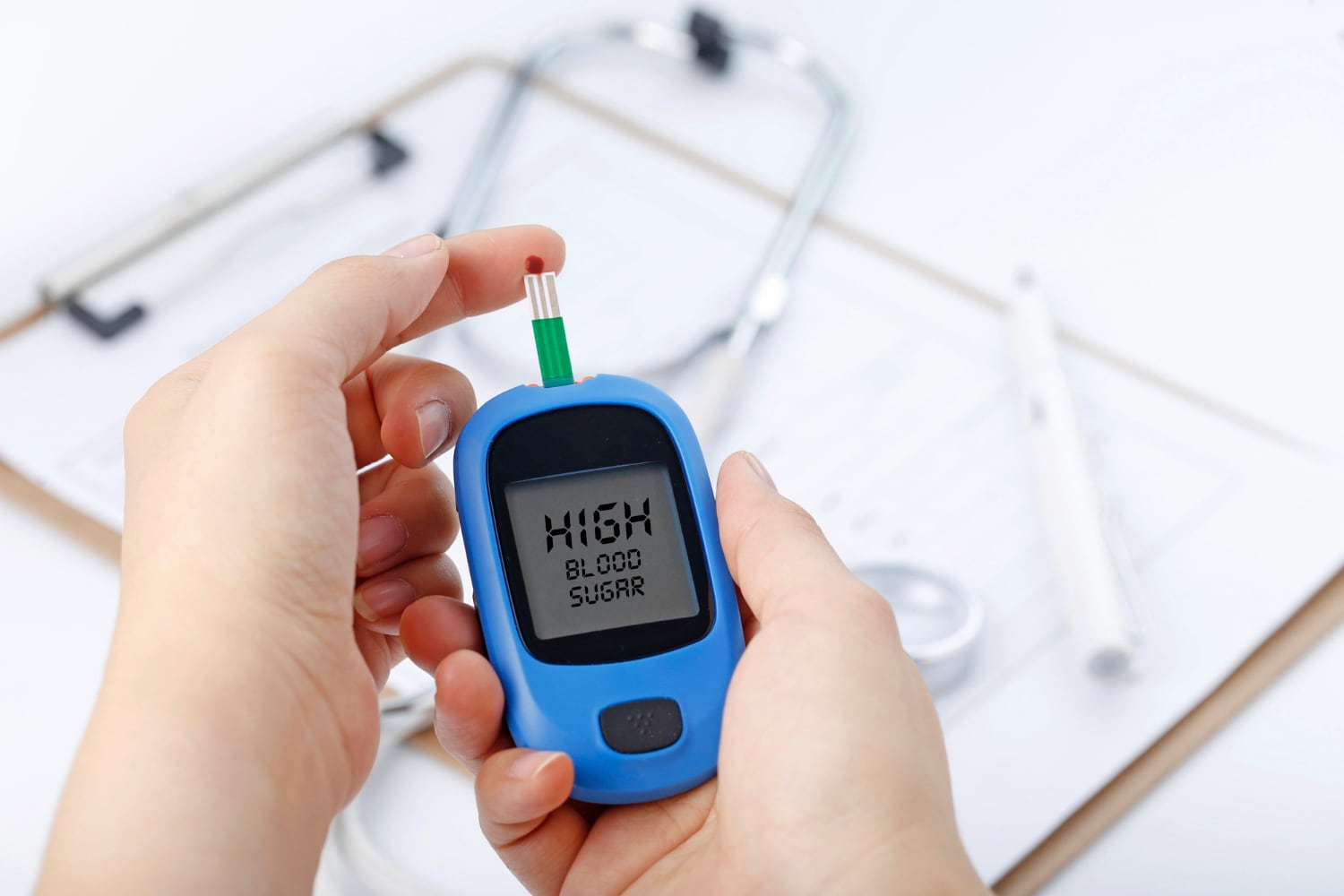
1. Menstrual irregularity may continue, while some women may actually notice more regular cycles. This does not necessarily mean that PCOS has disappeared.
2. Insulin resistance can become more noticeable, and some women may develop prediabetes.
3. Weight may increasingly shift towards the abdomen, with an increase in visceral fat.
4. Fertility challenges often become more relevant, particularly as many women begin trying to conceive during this decade.
5. During pregnancy, women with PCOS may also have a higher risk of complications such as gestational diabetes and preeclampsia.
In your 40s: Perimenopausal overlap

1. Periods may become somewhat more regular as the number of ovarian follicles declines, which can sometimes give the impression that PCOS has resolved.
2. At this stage, cardiometabolic health becomes increasingly important, with the risks of high cholesterol, high blood pressure, and type 2 diabetes rising.
3. The health of the uterine lining also needs attention, as years of irregular ovulation can increase the risk of endometrial hyperplasia.
4. Symptoms of perimenopause can overlap with PCOS symptoms, making it harder to distinguish between the two.
Another myth the doctor addressed is that PCOS is solely about ovarian cysts. She said, "The diagnosis is based on a combination of features, including androgen excess, problems with ovulation and polycystic ovarian morphology, after other possible causes have been ruled out.”
We then asked about managing the condition, to which the doctor outlined essential measures such as maintaining a healthy weight, staying physically active, eating a balanced diet, and undergoing appropriate screening for high blood pressure, blood sugar abnormalities, and other metabolic risk factors. This applies to all women, regardless of weight.
Suggesting how the needs and priorities change, she concluded, “Management should evolve with age from managing periods and fertility concerns in the 20s and 30s to paying greater attention to metabolic and cardiovascular health from the late 30s onward.”
Note to readers: This article is for informational purposes only and not a substitute for professional medical advice. Always seek the advice of your doctor with any questions about a medical condition.


Catch your daily dose of Fashion, Taylor Swift, Health, Festivals, Travel, Relationship, Recipe and all the other Latest Lifestyle News on Hindustan Times Website and APPs.


