
 E-Paper



Could a gut ‘repair switch’ also help colorectal cancer spread? Oncologist shares what ZFP36L2 research reveals

 Prefer HTon Google


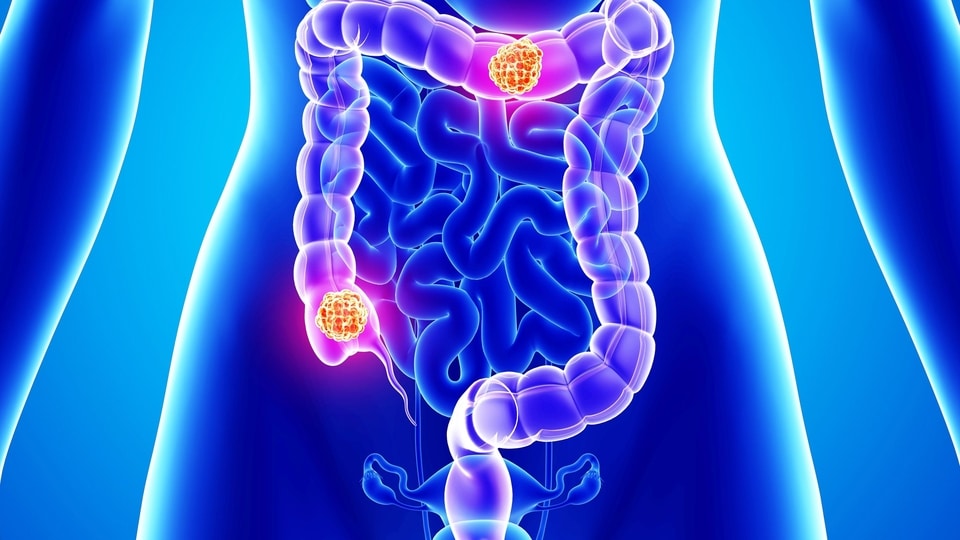
Dr Tanvi Singh explains that while ZFP36L2 enables colorectal cancer cells to adapt and spread, blocking it as a therapeutic strategy remains unvalidated.
Your gut is often called your ‘secondary brain’. It has a remarkable ability to repair damaged tissue, and one of the proteins involved in helping cells respond to injury is ZFP36L2.
ZFP36L2 – An emergency repair program?
In an interview with HT Lifestyle, Dr Tanvi Singh, a medical oncologist at M|O|C Cancer Care, Karol Bagh, explained how this protein – a hidden repair switch in cancer – could reveal how colorectal/colon tumours spread.
According to Dr Tanvi, the protein ZFP36L2 can help ordinary, already specialised cells temporarily become more ‘stem-cell-like’ when tissue needs repair. Stem cells are useful because they can produce different types of cells and help rebuild damaged tissue. Here's how ZFP36L2 helps when someone is detected with a colorectal tumour:
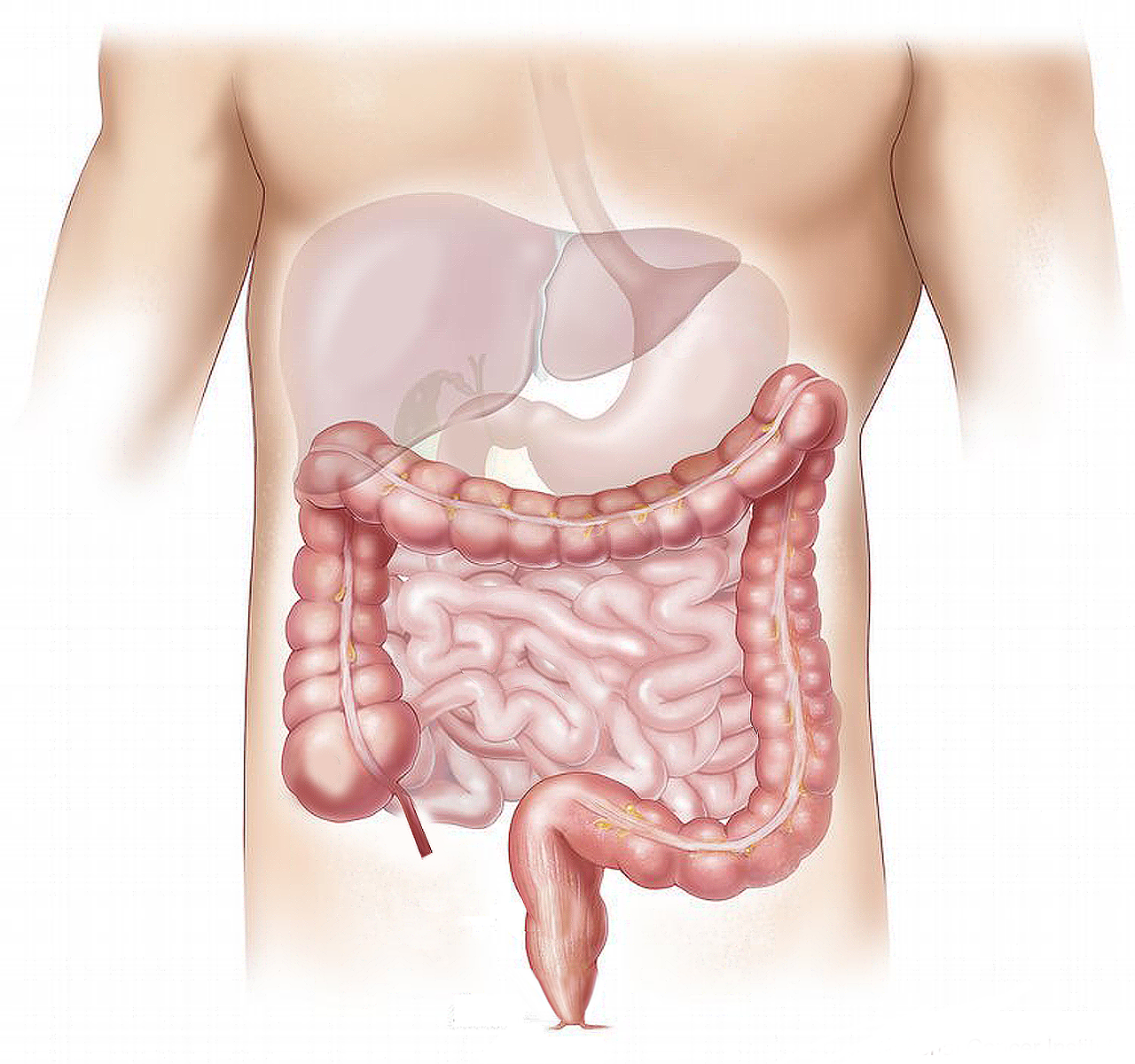
Why is ZFP36L2 important for the gut's natural ability to repair itself?
According to Dr Tanvi, ZFP36L2 is part of an emergency repair program in our bodies. She explained that it is a stress-response RNA-binding protein which functions as a regulator of cell differentiation and stress response, adding, “In the event of damage to the tissue, ZFP36L2 allows already differentiated cells to gain some stem-like qualities and thus participate in the tissue renewal process.”
When asked to explain how colorectal cancer cells use the same mechanism to survive and form metastasis (the spread of cancer cells from the place where they first formed to another part of the body) in other organs, she explained that the same pathway can be exploited by cancer cells in response to the stress induced by migration out of the primary site of tumorigenesis.
“Specifically, ZFP36L2 helps disseminated colorectal cancer cells obtain stem-like characteristics, which enable them to adapt to a new environment, survive and metastasise,” she added.
What does this research tell us about changes in cancer cell behaviour during metastasis?
Per Dr Tanvi, this research sheds light on the high plasticity of cancer cells during metastasis. She explained, “Rather than spreading as they are, cancer cells can switch from one cellular state to another depending on the surrounding environment. For example, while some cancer cells are able to undergo a switch to the stem-cell state, others can assume alternative cell fates.”
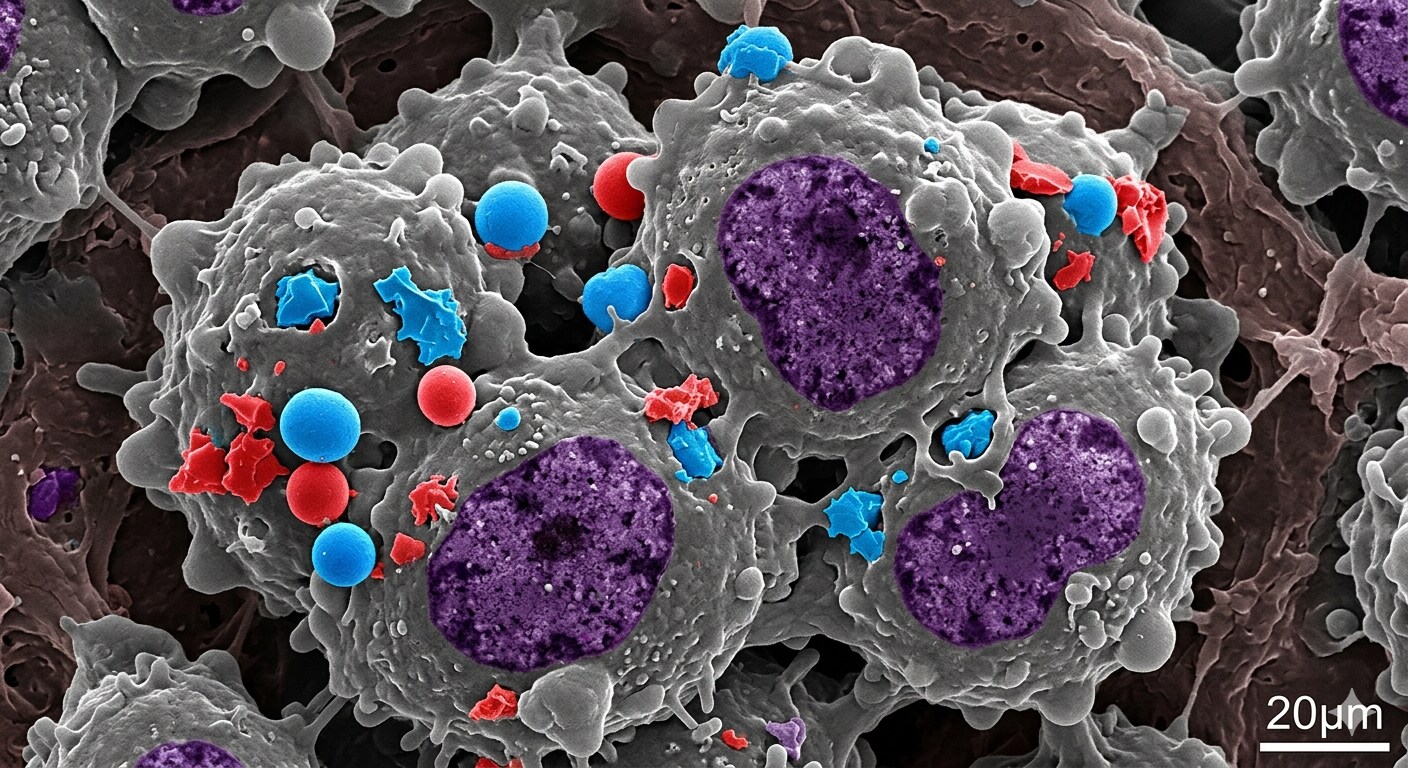
So, is blocking ZFP36L2 a way forward in preventing metastatic dissemination of colorectal cancer? Dr Tanvi explains that while blocking ZFP36L2 seems like a good strategy to prevent metastatic seeding, at this stage, it cannot be considered a valid therapeutic option.
Explaining the obstacles on this path, she said, “First, this protein plays an important role in the repair of tissues. Second, cancer cells might find a way to compensate for the loss of ZFP36L2 by adopting a new cell fate.”
Lastly, regarding where we are in translating this laboratory finding into a cancer therapy, Dr Tanvi stated that this study is an important step towards understanding metastasis.
However, further research is needed to see whether ZFP36L2 can be safely and selectively blocked in patients and how this would affect patient outcomes. “Thus, current colorectal cancer treatments should be based on available clinical evidence rather than this preclinical finding,” she added, underlining why it is too early to change our approach to treating cancer patients.
Dr Tanvi Singh is a consultant medical oncologist. She completed her MD from Sri Aurobindo Institute of Medical Sciences, Indore and completed her DrNB in Medical Oncology from Bhagwan Mahaveer Cancer Hospital & Research Centre, Jaipur. She has expertise in treating a wide spectrum of cancers.
Note to readers: This article is for informational purposes only and not a substitute for professional medical advice. Always seek the advice of your doctor with any questions about a medical condition.
This report is based on user-generated content from social media. HT.com has not independently verified the claims and does not endorse them.


Catch your daily dose of Fashion, Taylor Swift, Health, Festivals, Travel, Relationship, Recipe and all the other Latest Lifestyle News on Hindustan Times Website and APPs.


