
 E-Paper



Fitness coach says ‘skinny is actually quite useless’; shares 3 things to focus on for sustainable fat loss

 Prefer HTon Google


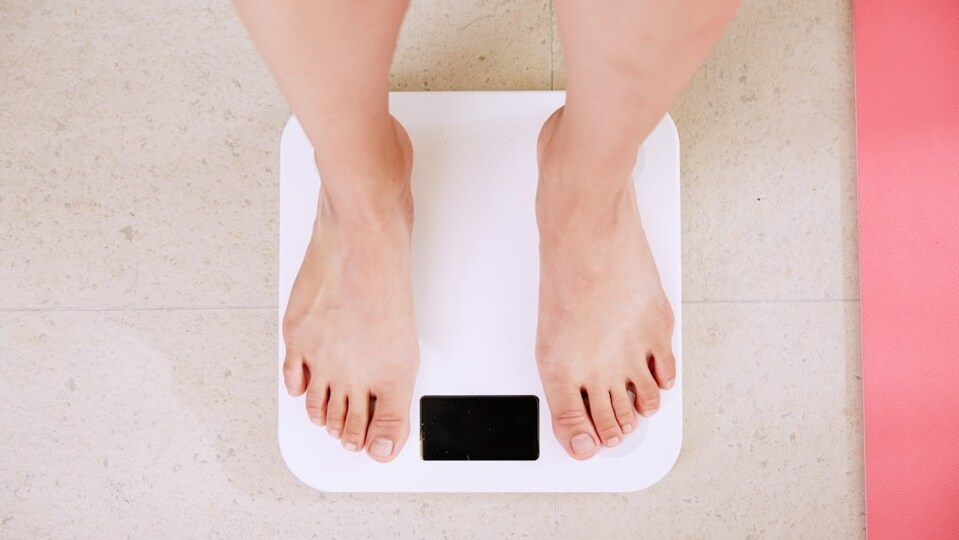
Most people focus on cardio and eating fewer calories when they try to lose weight. Fitness coach Raj Ganpath shares 3 things to aim for instead.
When most people begin their fitness or weight-loss journey, they often chase quick fixes - crash diets, rapid challenges, and the idea of becoming “skinny” as fast as possible. But sustainable progress doesn’t come from starving yourself or burning endless calories; it comes from slow, steady fat loss and building the muscle needed to keep that fat off for good. Prioritising strength and long-term habits over dramatic short-term results is what truly transforms your body - and your health.
Fitness trainer Raj Ganpath - founder of the Slow Burn Method, co-founder and head coach at Quad Fitness, and author of Simple, Not Easy - has outlined three often-overlooked truths about beginning a weight-loss journey, from prioritising muscle-building over cutting calories to understanding how fat loss actually works. In an Instagram video posted on November 27, the fitness coach highlights why slow, steady progress beats quick-fix programmes - and why the goal should be to become lean and strong, not just skinny.
Slow weight loss is more sustainable than quick-fixes
Raj notes that weight loss is never purely fat loss; it includes muscle loss as well, regardless of the influence of GLP-1 drugs, the diet you follow, or how much you exercise. However, when you gain that weight back, the muscle that you lost is not restored - instead, it is replaced by fat.
He explains, “You lost five kilos, and you gained five kilos, you think you're back to where you started, but you're not. You've lost significant amounts of muscle and you've replaced that with fat. So, if you keep losing weight and gaining weight over a period of time, every time you do this, you end up losing some muscle and replacing that with fat. This is not good for you in the long term. And that's why you need to consider slow sustainable long-term weight loss and not rapid weight loss programs.”
More muscle means more fat loss
Most people approach weight loss by focusing on cardio, burning calories, and eating less - but Raj emphasises that the real priority should be building muscle. He explains, “The more muscle you have in your body, the higher your basal metabolic rate. As a result, it is much easier for you to create a calorie deficit, and as a result, end up losing weight.”
He also states that muscle is expensive to maintain, however the long-term payoff is worth it if you want to sustain a healthy weight. The fitness coach highlights, “In the long term, if you want to manage your weight and stay healthy, you want to build as much muscle as possible. At the very least, you don't want to lose the muscle that you already have.”
Focus on being lean and strong instead of skinny
Raj stresses, “Skinny is actually quite useless. As someone who is overweight, you're probably thinking, you know what, I want to be skinny. But skinny means less energy. Skinny means low mineral density in your bones. Skinny means exhaustion. Skinny means loose skin.”
What you should aim for is to be lean and strong. The fitness trainer explains, “That means removing as much of the nonfunctional weight as possible, mostly fat, while preserving, retaining the existing functional mass, which is your muscles, your bones, your organs, all the stuff that you really need. So, when you're thinking you want to go through a transformation, when you're thinking weight loss, stop thinking skinny, start thinking lean and strong.”
Note to readers: This article is for informational purposes only and not a substitute for professional medical advice. It is based on user-generated content from social media. HT.com has not independently verified the claims and does not endorse them.


Catch your daily dose of Fashion, Taylor Swift, Health, Festivals, Travel, Relationship, Recipe and all the other Latest Lifestyle News on Hindustan Times Website and APPs.


