
 E-Paper



Have dry, riverbed-like skin? Dermatologist shares 3 skincare tips to tackle persistent dry and cracked skin

 Prefer HTon Google


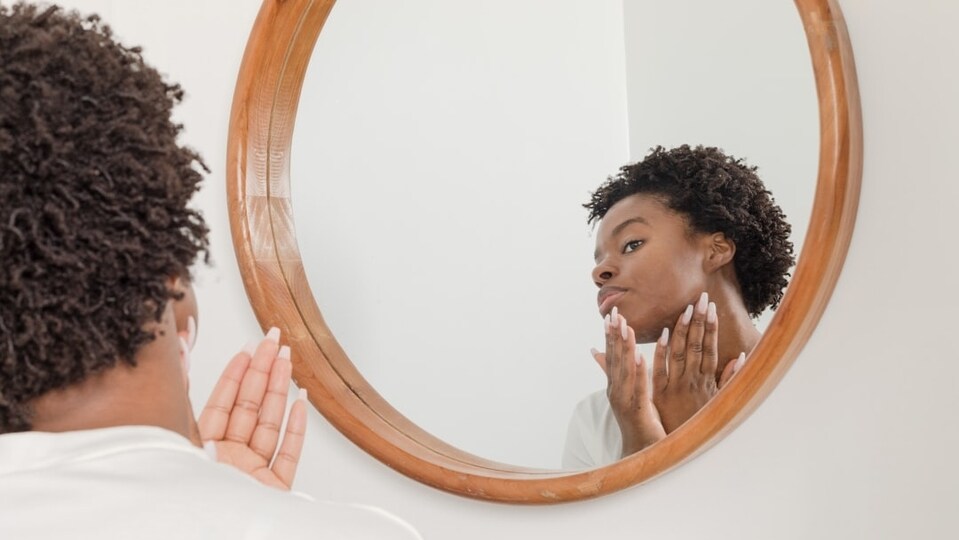
If your skin looks like a cracked riverbed, it might be more than just lack of moisturisation. Dr Walter explains what causes it and shares 3 tips.
Does your skin look cracked like a dry riverbed - feeling tight, flaky, and uncomfortable despite regular moisturising, especially during winter? If lotions don’t seem to make a difference and dryness keeps coming back, there may be more at play than just seasonal dehydration. A common underlying skin condition could be the culprit - but the good news is that a few simple, dermatologist-backed tweaks can help manage it effectively and restore your skin’s moisture balance.
Also Read | What is skin fasting? Dermatologist explains why it can be beneficial during winters
Dr Scott Walter, a Colorado-based dermatologist specialising in skin and hair care, has shared three expert tips to tackle persistent dry skin - especially when it takes on a cracked, “dry riverbed” appearance, a condition he explains in detail. In an Instagram video shared on December 18, the dermatologist explains why dry skin can persist despite meticulous moisturising - and outlines simple, practical skincare adjustments that can effectively counter the condition and restore the skin’s moisture barrier.
What causes dry, riverbed-like skin?
According to Dr Walter, dry skin that appears cracked and scaly - often having a “riverbed” texture - is typically caused by a common genetic skin condition known as ichthyosis vulgaris. He explains, “It's actually from a genetic mutation in your skin barrier where your skin cells just don't shed like they're used to. So, they're more adherent which leads to that kind of dry riverbed look and really dry skin.”
Some tips to manage dry skin
Dr Walter shares the following practical, dermatologist-approved tips for tackling stubborn dry skin - especially when you’re moisturising regularly but your legs or even your entire body still feel persistently dry and tight.
Moisturising cream
The dermatologist recommends using a moisturising cream instead of lotions, because they are typically meant to tackle dry skin and are more effective in locking moisture. He explains, “They typically come in a tub, and the best time to apply them is right when you get out of the shower and your skin's still damp.”
Chemical exfoliants
In cases of ichthyosis vulgaris, Dr Walter emphasises that a moisturising cream alone isn’t sufficient. He explains that the condition needs chemical exfoliators to gently break down and shed the layer of dead skin, allowing moisturisers to penetrate and work more effectively. The dermatologist recommends, “So, in addition to your moisturising cream, you incorporate these chemical exfoliants, which are typically lotions or creams as well. Lactic acid and urea help break down those skin bonds so that the skin can actually shed away, leading to smoother skin. And then you add in your moisturiser to hydrate.”
Gentle soap
Dr Walter also advises paying close attention to the soap you use in the shower, as harsh cleansers can further irritate and dry out the skin. For those struggling with dryness, he recommends switching to shower oils, noting that he prescribes them to his patients with dry skin - and even uses them himself.
Note to readers: This article is for informational purposes only and not a substitute for professional medical advice. It is based on user-generated content from social media. HT.com has not independently verified the claims and does not endorse them.


Catch your daily dose of Fashion, Taylor Swift, Health, Festivals, Travel, Relationship, Recipe and all the other Latest Lifestyle News on Hindustan Times Website and APPs.


