
 E-Paper


Not all healthy food claims tell the full story: Experts reveal what matters

 Prefer HTon Google


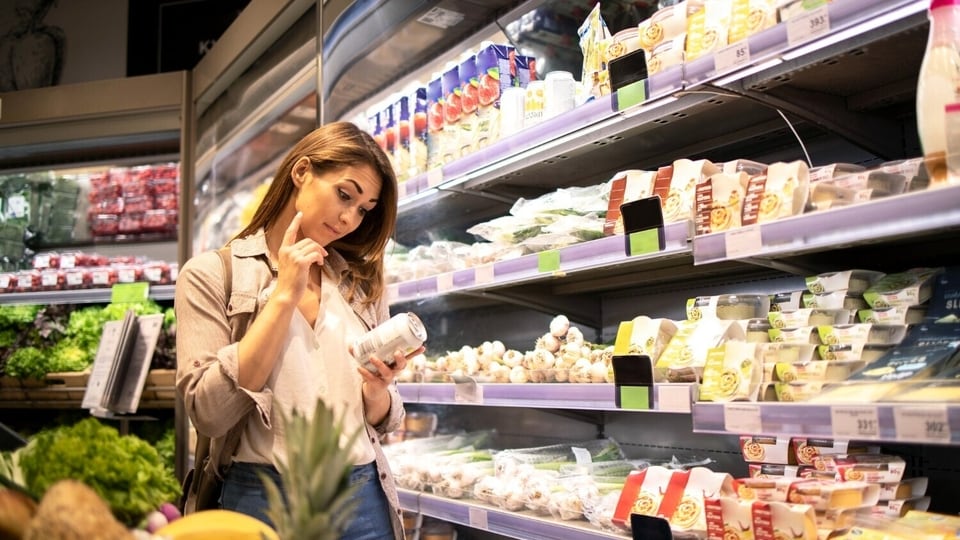
Learn from experts on what should you check instead of falling for what is advertised on the food packaging.
During grocery shopping, you may have noticed that, with people becoming more health-conscious, packaged foods now come with labels such as '100 % pure' or ‘no palm oil.’
ALSO READ: Should you eat slightly burned or charred food? Oncologist reveals what is safe
As someone who is trying to eat healthy, these labels may reassure you and make you believe the product is healthier than other alternatives. But should you really go by face value? Experts weighed in on why nutritional literacy is required for people to make informed dietary choices.
Why food labels may not always signal nutritional value?
You need to be more discerning, exercising judicious scrutiny, instead of picking products off supermarket shelves solely on the basis of the claims printed on their packaging.
Dr Rajni Kant Srivastava, former director, ICMR- Regional Medical Research Centre (Gorakhpur), weighed in on why everyone needs to look beyond individual ingredients and pay attention to the overall nutritional composition of their diet.
“Nutrition cannot be reduced to a single ingredient or a single claim on a food package. The focus also needs to be on the broader food environment, including the availability and marketing of foods high in fat, salt and sugar (HFSS), particularly to children. Consumers need to understand the overall nutritional profile of what they eat, including the quantity, composition and frequency of consumption,” he said, cautioning that claims such as '100 %’ or those highlighting the absence of a particular ingredient, such as palm oil or sugar, create this illusion of purity or superiority which may not actually be the case.
ICMR-NIN-led Let's Fix Our Food Consortiumcalls for evidence-based action to improve environments and dietary behaviours among children and adolescents. Its recommendations include creating healthier school food environments, improving nutrition literacy, introducing front-of-pack nutrition labelling, regulating food marketing to children, and taking measures to curb excessive intake of fat, salt and sugar.
So, do not get swayed by misleading claims, and make it a priority to check the label. A product can be labelled ‘no palm oil’ and still contain sugar, salt and saturated fat.

Why the type of cooking oil is not the only factor that matters
Oil is an essential ingredient in most cooking preparations, so choosing the right one is important. The edible oils you include in your diet require closer scrutiny, as each has a different nutritional composition. Instead of imposing a blanket ban on any particular oil, you need to understand its nutritional composition and how much of it you consume.
Dr Dharini Krishnan, a leading consultant dietician, walked us through different edible oils and how they vary in their nutritional properties.
“Edible oils also differ in their fatty acid composition and naturally occurring compounds. Mustard oil contains less saturated fat and more monounsaturated fat. Olive oil contains bioactive compounds that have been studied for their potential health effects. Palm oil has a balanced fatty acid profile and naturally occurring compounds, including tocotrienols."
Highlighting the role of edible oils in a healthy diet, she referred to the ICMR-NIN Dietary Guidelines for Indians 2024, which recognises various edible fats and oils as part of a balanced diet.
Aside from the type of oil, cooking practices also play an important role. Repeatedly reheating and reusing frying oil is not advisable. So, while the choice of oil is important, cooking practices also need to align with healthy dietary habits. The dietician further highlighted the importance of improving dietary health by focusing on the overall balance of the diet.
Look at the bigger picture and focus on nutrition literacy. Check the nutritional content of packaged foods by reading their labels, and monitor cooking methods and portion sizes.
Note to readers: This article is for informational purposes only and not a substitute for professional medical advice. Always seek the advice of your doctor with any questions about a medical condition.


Catch your daily dose of Fashion, Taylor Swift, Health, Festivals, Travel, Relationship, Recipe and all the other Latest Lifestyle News on Hindustan Times Website and APPs.


