
 E-Paper



Think pink salt, table salt, and rock salt are healthier options? Here’s what you should know about their iodine content

 Prefer HTon Google


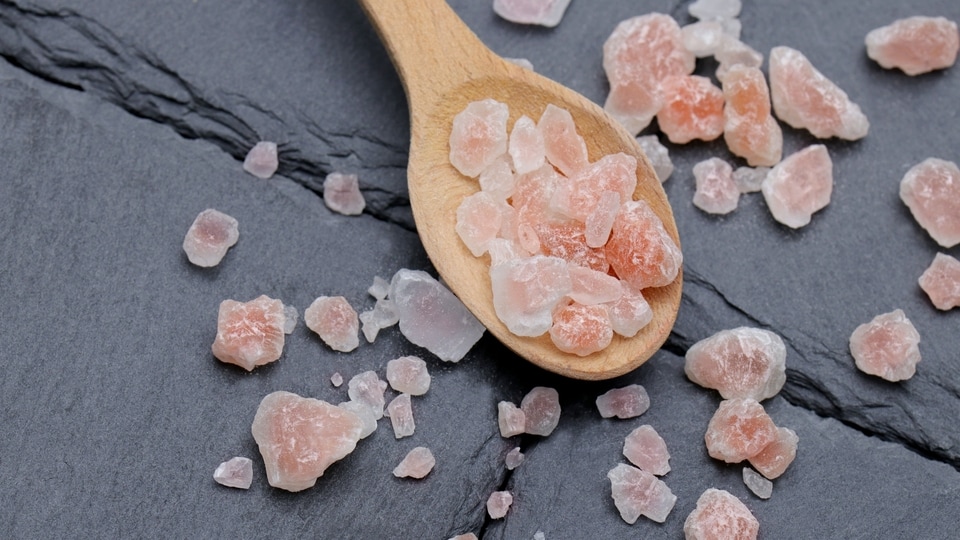
Planning to switch from table salt to pink salt or rock salt? Here’s what you need to know about each's iodine content.
Most of us choose salt out of habit or because it’s already in the kitchen. But with pink Himalayan salt and black salt showing up in more homes, it’s worth asking whether they do the same job as the plain packet salt we grew up with. When it comes to iodine, the answer mostly comes down to one thing: has the salt been iodised or not? In an interview with HT Lifestyle, Dr Tushar Tayal, associate director, internal medicine, CK Birla Hospital, Gurugram, explained the difference in iodine content and its impact on health.
Also read | Always add extra salt to your meals? It is risky: Here's what it actually does to your body over time
Why does your body need iodine?
According to Dr Tayal, our thyroid uses iodine to make two hormones, T4 and T3. These hormones set the pace of your metabolism, help keep body temperature steady, and support how your organs work. In children, they also shape growth and the development of the brain and nervous system.
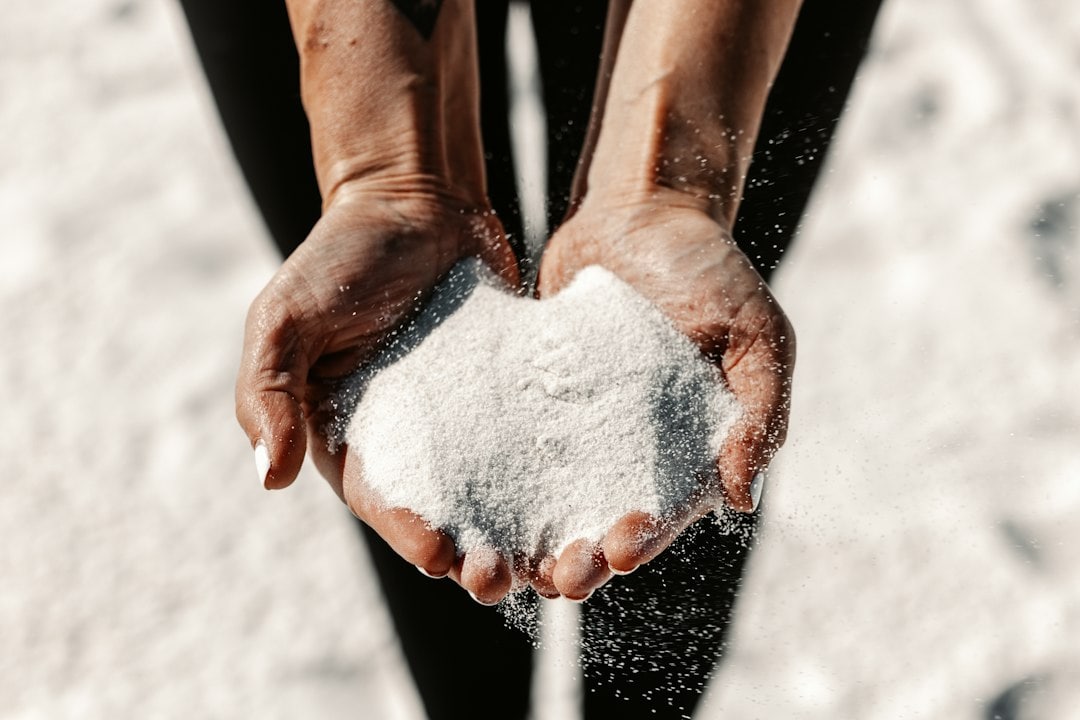
That’s why iodine matters so much during pregnancy and the early years of life. “A shortage in pregnancy can affect the baby’s development. In adults, a long-term shortage can lead to an underactive thyroid or goitre, the swelling at the front of the neck,” highlighted Dr Tayal.
The body can’t make iodine, so it has to come from what we eat. This is exactly why many countries, India included, promoted iodised salt: it’s a cheap, simple way to prevent deficiency across a whole population.
Table salt
Dr Tayal highlighted that of the three, regular table salt is the safest bet for iodine, as long as the packet says “iodised.” A small, controlled amount of iodine is added during processing, so ordinary meals cover a good part of your daily needs.
How much iodine you actually get depends on how much was added, how the salt is stored, and how it’s cooked. Still, it’s the easiest option to rely on. One thing to watch: not all table salt is iodised, so read the label rather than assuming. You won’t be able to taste the difference either way.
Pink Himalayan salt
Pink salt is often sold as the purer, more natural choice, thanks to its colour and trace minerals. But the pink shade comes from those minerals, not from iodine. Unless the packet specifically says it’s iodised, the iodine in it is likely to be too little and too inconsistent to count on.
The same goes for the idea that it’s healthier overall. Those trace minerals are present in tiny amounts, and pink salt is still sodium chloride, so it adds just as much sodium to your meals.
Rock salt
Rock salt is a staple during fasts and in a lot of traditional cooking. Because it’s mined rather than processed, it usually isn’t iodised unless the manufacturer has added iodine on purpose. Its mineral makeup changes depending on where it comes from, but that doesn’t guarantee any useful amount of iodine.
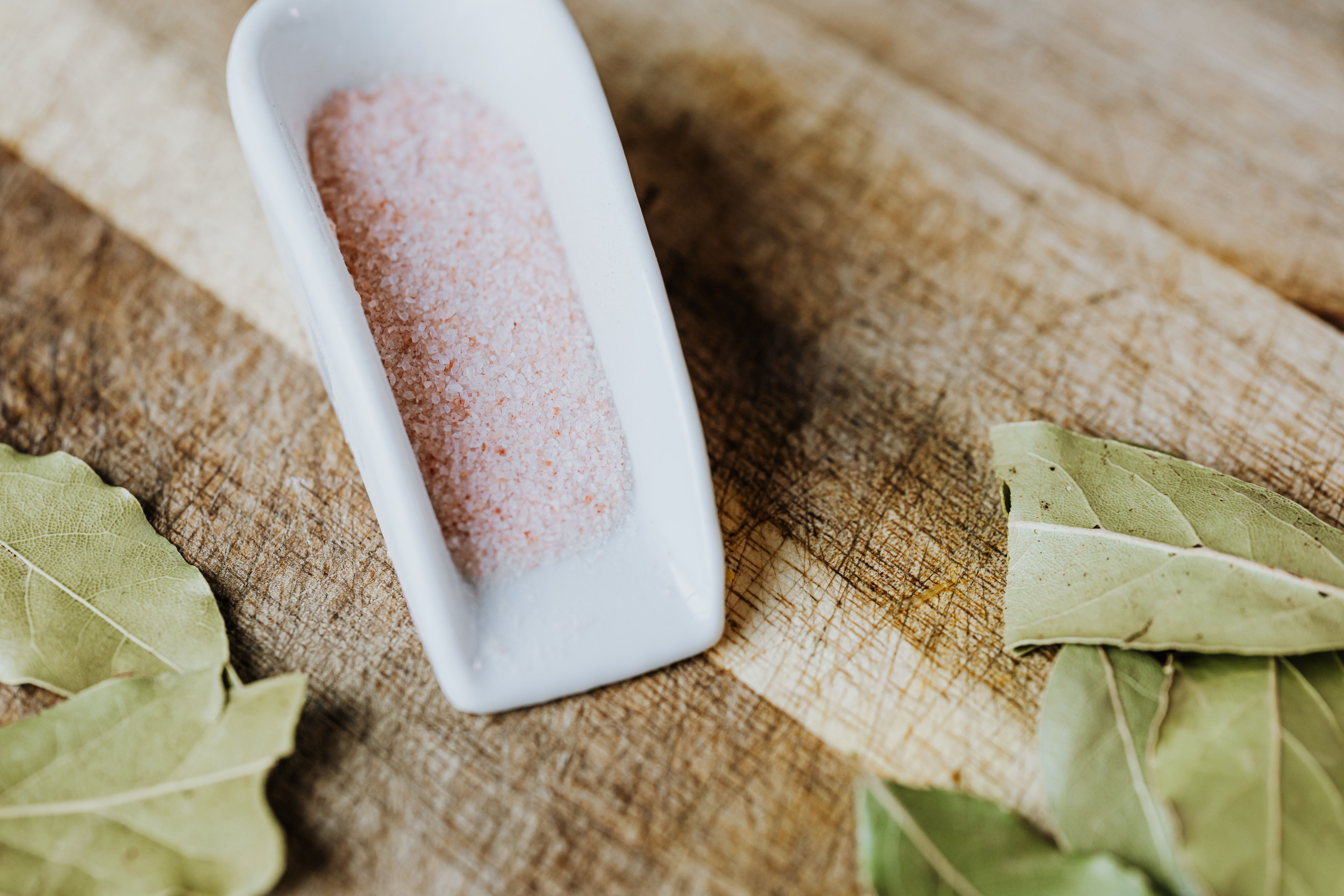
If you swap your regular salt for rock salt in everyday cooking, your iodine intake can quietly drop, especially if you don’t eat many other iodine-rich foods.
How to make sure you’re getting enough?
“The simplest fix is to buy salt labelled iodised and use it sparingly. Most adults need about 150 micrograms of iodine a day, and the requirement goes up during pregnancy and breastfeeding,” highlighted Dr Tayal.
Salt isn’t your only source. Milk and curd, eggs, seafood and some fortified foods all contribute, though the amounts vary. If you’re vegetarian, and especially if you avoid dairy and eggs too, it’s worth paying closer attention to where your iodine is coming from.
Note to readers: This article is for informational purposes only and not a substitute for professional medical advice. Always seek the advice of your doctor with any questions about a medical condition.


Catch your daily dose of Fashion, Taylor Swift, Health, Festivals, Travel, Relationship, Recipe and all the other Latest Lifestyle News on Hindustan Times Website and APPs.


