
 E-Paper



One jab of measles vaccine more likely to be ineffective in children born by C-section, study finds

 Prefer HTon Google


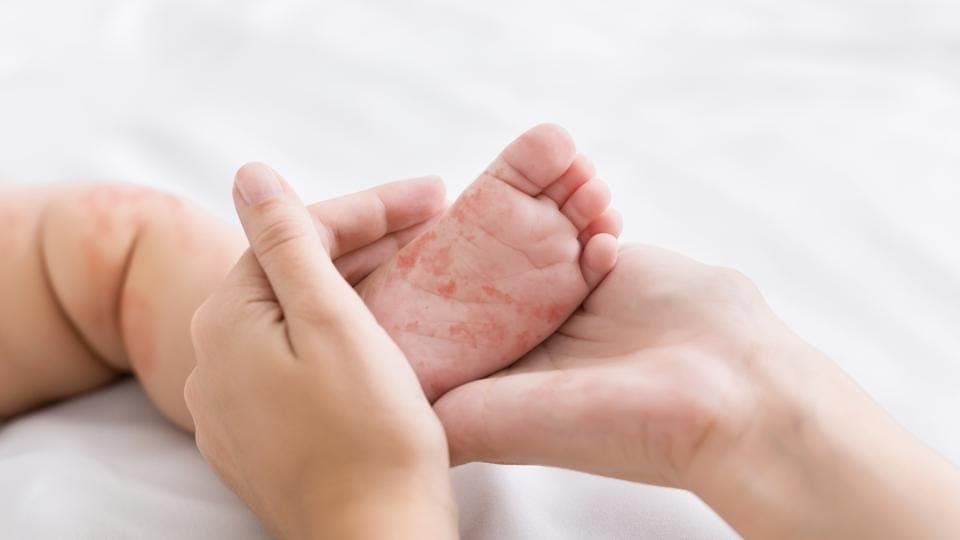
A study found that a single jab of the measles vaccine could be more likely to be ineffective in children born by C-section, compared to those born naturally.
A single jab of the double-dose measles vaccine could be up to 2.6 times more likely to be completely ineffective in children born by C-section, compared to those born naturally, new research has found. Researchers said that failure of the vaccine meant that the child's immune system does not produce antibodies to fight against a measles infection, and therefore, remains vulnerable to the disease.
A possible reason behind the vaccine being rendered ineffective could be linked to the development of the infant's gut microbiome, the researchers said.
Previous studies have shown that vaginal or natural birth transfers a greater variety of microbes from mother to baby, thereby boosting the infant's immune system, they said. (Also Read | White bread to aerated drinks: 9 foods that speed up ageing, make you look older than you are)
The study by the University of Cambridge, UK, and Fudan University, China, also found that the second measles dose induced a robust immunity against the viral disease in children born by caesarean or C-section, which involves making a cut in the mother's abdomen and uterus for delivering the baby.
"We've discovered that the way we're born -- either by C-section or natural birth -- has long-term consequences on our immunity to diseases as we grow up," Henrik Salje from the University of Cambridge's Department of Genetics and joint senior author of the study published in the journal Nature Microbiology, said.
Measles is an acute and highly contagious viral disease, occurring primarily in children. Symptoms can include a high fever, cough, runny nose and a rash all over the body. Being vaccinated with two doses is the best way to avoid getting sick and spreading the disease, according to the World Health Organization.
Using data from previous studies of over 1,500 children in Hunan, China, the researchers found that 12 per cent of the children born via C-section had no immune response to their first measles vaccination, compared to 5 per cent of the children born by vaginal delivery.
The researchers said that a lot of children do not end up getting their second measles jab, which can be dangerous for them and for the wider population.
"Infants born by C-section are the ones we really want to be following up to make sure they get their second measles jab because their first jab is much more likely to fail," Salje said.
Increasingly, women around the world are giving birth by C-section because of which children are not exposed to the mother's microbiome in the same way as in a vaginal birth, the researchers said.
"We think this means they take longer to catch up in developing their gut microbiome and with it, the ability of the immune system to be primed by vaccines against diseases including measles," said Salje.


