
 E-Paper



Seeing blood in the toilet? Don't just assume it's piles: Doctor says getting checked is less scary than you think

 Prefer HTon Google


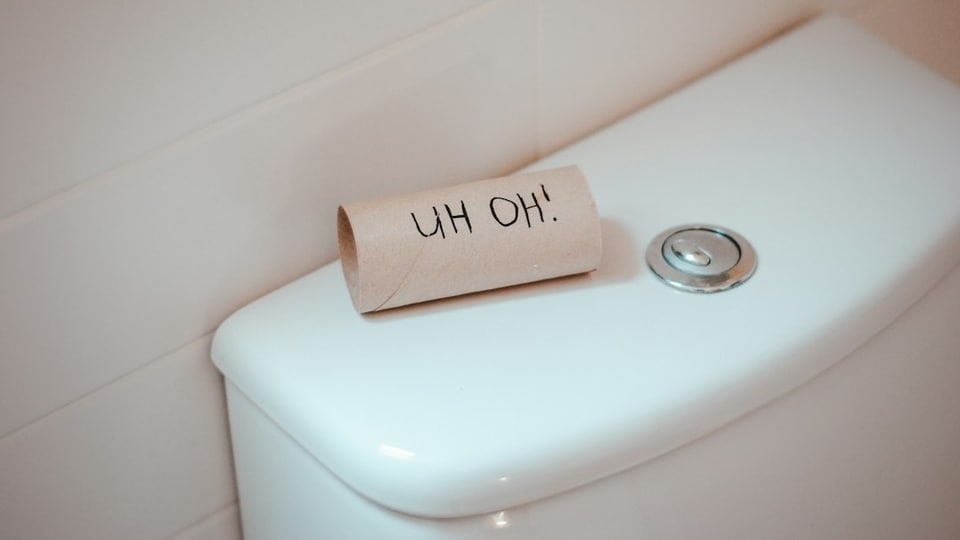
Blood in the toilet is alarming, but it's not always piles. A doctor explains why you shouldn't self-diagnose and what the clinical examination really involves.
Seeing red in the commode is enough to make anyone panic, and many jump to the same terrifying conclusion: 'It's piles'. But according to Dr Sumeet Shah, chairman and HOD, general, minimal access, bariatric and robotic surgery, Manipal Hospital Gurugram, that instinct might actually be pointing you toward the wrong culprit entirely. Also read | Haemorrhoids or piles: Causes, symptoms, treatment and prevention tips
"In many instances, individuals assume that any pain or bleeding in the lower rectal area is caused by piles, medically known as haemorrhoids. However, another very common condition that produces similar symptoms is an anal fissure," he said in an interview with HT Lifestyle.
So, before you start Googling your way into an existential crisis, let's break down what's actually happening down there —and why you shouldn't ignore it.
Piles vs fissures
While both conditions affect the same physical area, the body experiences them in different ways. Understanding the contrast is step one to getting relief. Dr Shah explained: "While haemorrhoids involve swollen blood vessels in the lower rectum or around the anus, an anal fissure is a small tear or crack in the delicate lining of the anal canal."
What are fissures like? Expect sharp, direct pain. "Anal fissures typically cause intense, sharp, or burning pain during and immediately after bowel movements that can linger for several minutes or hours, often accompanied by fresh red blood visible on toilet paper or in the toilet bowl," Dr Shah said. Also read | What happens if you sit on toilet for more than 15 minutes daily? Surgeon warns: ‘High risk of hemorrhoids…’
And what about piles? He said pain isn't always the main event here. "In contrast, haemorrhoids are primarily characterised by localised discomfort, fullness, or itching around the inflamed tissue," Dr Shah pointed out. "Internal hemorrhoids frequently present with painless bleeding during stool passage, whereas more advanced cases involve swollen blood vessels that bulge outward externally during straining," he added.
How did this even happen?
If you're wondering how things went wrong, the underlying culprit for both conditions usually comes back to the same mechanical pressure, Dr Shah highlighted. "The primary factor behind both haemorrhoids and anal fissures is increased pressure in pelvic blood vessels and surrounding tissue," he explained, adding, "Chronic constipation, persistent straining, and low-fibre diets are major contributors, as hard stools cause mechanical trauma during passage."
Add extended doom-scrolling sessions on the toilet, pregnancy, heavy weightlifting, or chronic diarrhoea to the mix, and you've got a recipe for tissue stress. Also read | Doctor says risk of piles is rising among young women, explains culprits like low fibre intake and poor hydration
5 simple habits to keep things moving smoothly
Prevention doesn't require a total life overhaul. According to Dr Shah, a few targeted daily habits make all the difference:
⦿ Load up on fibre: Eat plenty of fresh fruits, vegetables, whole grains, and legumes so stools stay soft.
⦿ Hydrate constantly: Drink plenty of water throughout the day to support smooth digestion and avoid hard stools.
⦿ Stop the straining: Respond promptly when nature calls — never force a bowel movement or delay natural urges.
⦿ Ditch the phone on the porcelain: Avoid spending extended time sitting on the toilet scrolling social media or reading.
⦿ Stay active: Regular physical movement prevents constipation and reduces pressure on pelvic blood vessels.
What happens at the clinic?
Getting checked out sounds intimidating, but diagnosing the issue is far simpler than most patients fear, Dr Shah shared. "A gentle visual examination of the external area is done. In many cases of anal fissures, a visual check is sufficient," he said. For internal checks, doctors use a short, illuminated tube called an anoscope 'to view the internal mucosal lining safely and comfortably', he added.
Modern solutions: sitz baths to lasers
For mild or early-stage cases, simple non-surgical care works wonders, the doctor highlighted: boosting fibre intake, staying hydrated, taking stool softeners, and soaking in warm sitz baths to relax the surrounding muscles. If symptoms persist, modern proctological surgery offers fast, precision relief, he shared.
"Laser proctology uses targeted laser energy to shrink swollen haemorrhoids or heal chronic fissure tissue without cutting healthy surrounding skin," Dr Shah said. For stubborn fissures, a procedure called a lateral internal sphincterotomy releases pressure in the muscle to allow complete healing: "These minimally invasive procedures result in significantly less post-operative pain and enable a quick return to normal activities."
Don't let embarrassment keep you suffering in silence. "While most proctological issues are treatable and non-life-threatening, rectal bleeding should never be ignored," Dr Shah said. If you notice continuous bleeding, severe pain, fever, or sudden changes in your bowel habits, book an appointment, he concluded. Getting an accurate diagnosis is the fastest path back to comfort.
Note to readers: This article is for informational purposes only and not a substitute for professional medical advice. Always seek the advice of your doctor with any questions about a medical condition.


Catch your daily dose of Fashion, Taylor Swift, Health, Festivals, Travel, Relationship, Recipe and all the other Latest Lifestyle News on Hindustan Times Website and APPs.


