
 E-Paper



Skin rashes in children: Paediatrician explains common causes, warning signs and when parents should worry

 Prefer HTon Google


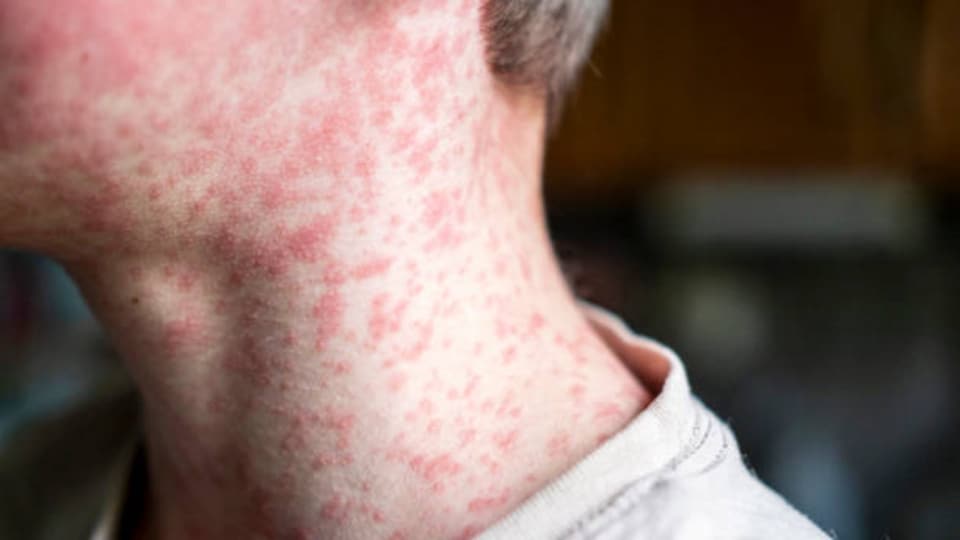
Skin rashes in children can signal anything from allergies to infections. Paediatrician explains common causes, warning signs and when parents should seek help.
Skin rashes are common in children, but knowing when they need medical attention can be challenging for parents. From viral infections and allergies to conditions such as dengue, chickenpox and eczema, the appearance of a rash can offer important clues about a child's health.
In an interview with HT Lifestyle, Dr Prakash Vaidya, senior consultant, paediatrics, Fortis Hospital Mulund, Mumbai, explains the common types of skin rashes in children, how to identify warning signs and when parents should seek medical help. (Also read: Anushka Sharma once revealed she was on medication for ‘anxiety’: Know what she said about seeking help and breaking stigma | World Mental Health Day )
What are the common causes of skin rashes in children
“A skin rash is amongst the commonest reasons my patients’ parents reach out to me,” says Dr Prakash Vaidya. Drawing on his years of clinical experience, he emphasises the importance of examining a rash carefully rather than dismissing it as trivial or immediately assuming it is serious.
“The one thing that I have learnt from long practice experience is this, never make rash decisions and dismiss any skin rash as trivial or pronounce any rash as serious merely on a cursory inspection. You really need to look beneath the surface to evaluate the rash holistically,” he explains.
According to the paediatrician, viral infections are among the common causes of skin rashes in children. These include influenza, dengue and hand, foot and mouth disease. In such cases, the child may also have a fever, and the timing of the rash in relation to the onset of fever can provide important clues to the diagnosis.
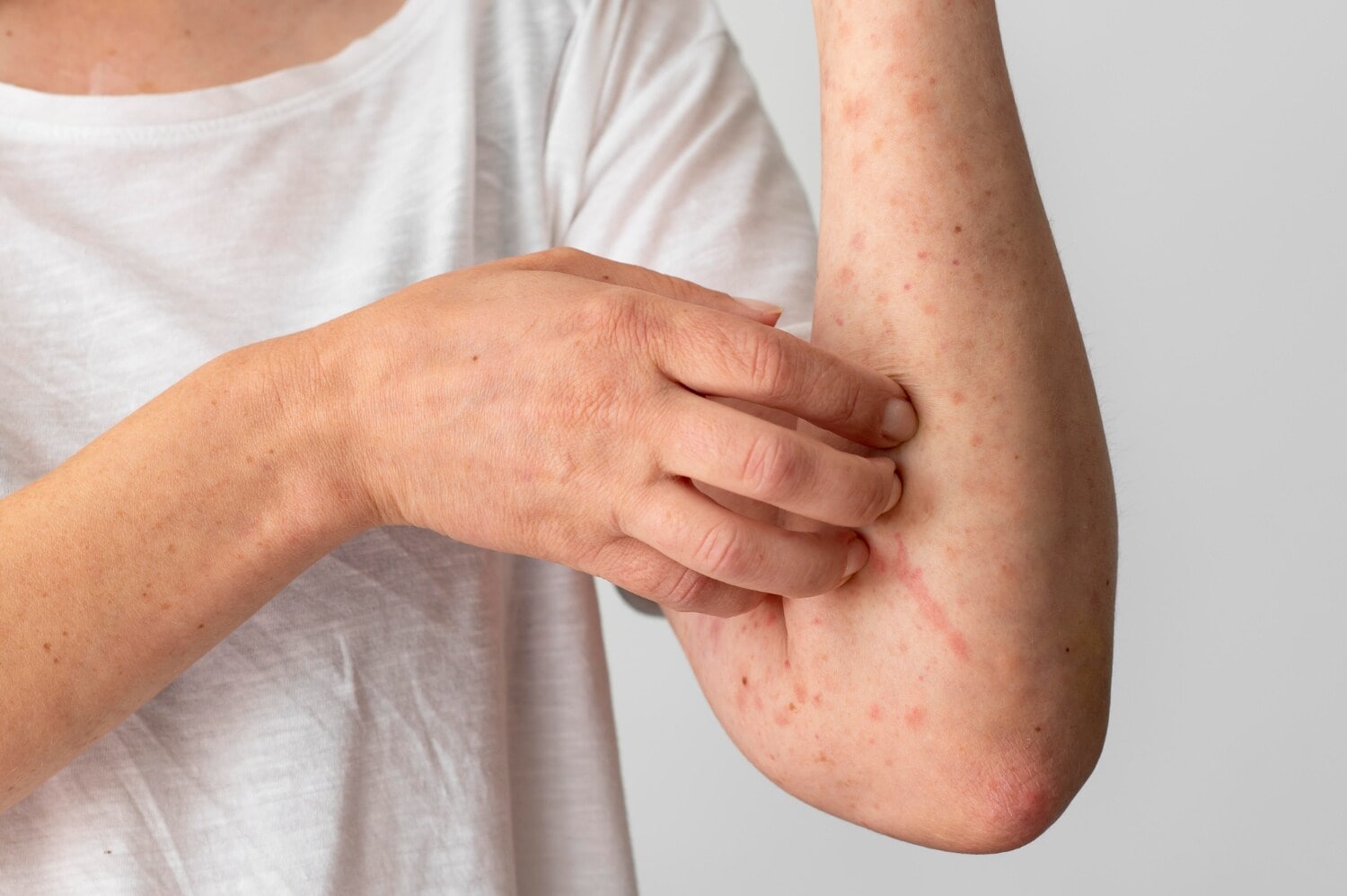
“Diseases like dengue start with a typically faint reddish rash, and later, a dense reddish, intensely itchy rash, the signature of dengue, may appear,” he says. However, this should not be confused with a rash associated with a low platelet count, which may also occur in dengue. A medical assessment is important to distinguish between different types of rashes and identify potential complications.
In other viral infections, the rash may appear only after the fever has subsided. These rashes may or may not be itchy, making the child's overall symptoms and medical history important parts of the evaluation.
Blister-like and itchy rashes: What parents should know
Some childhood illnesses cause blister-like skin eruptions. “Some diseases show up with a blister-like rash, notably chickenpox and hand, foot and mouth disease, where the distribution of the rash is the key to the diagnosis,” Dr Vaidya explains.
Itchy rashes can also have several causes, including hives and allergic reactions. These may develop due to allergies or viral infections. Another common condition is prurigo, an itchy rash that often appears on exposed areas of the skin following insect bites.
Atopic dermatitis, commonly known as eczema, is another condition parents may encounter. It causes dry, itchy and inflamed skin, often affecting the cheeks in infants and the creases of the elbows and knees in older children. Since the condition can begin early in life, regular moisturisation plays an important role in managing dry skin and supporting the skin barrier.
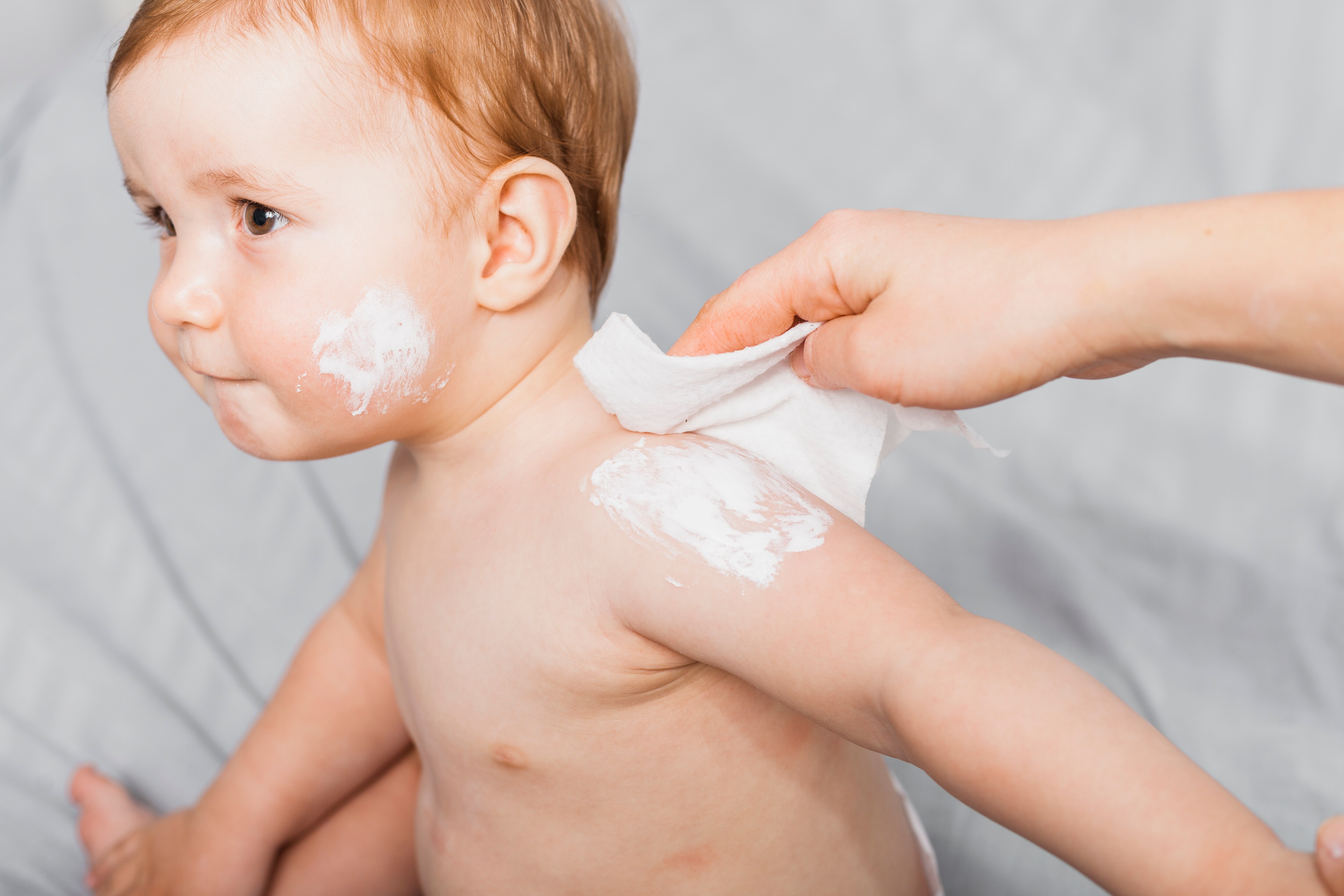
Nappy rash is also common in young children and typically affects the skin covered by a nappy. Barrier creams containing zinc oxide can help protect the skin from moisture and irritation. Parents should seek medical advice if the rash persists, worsens or appears infected.
Prickly heat, meanwhile, can cause irritation and small bumps in areas where sweat accumulates. It often develops in hot and humid conditions and can occur even when a child is otherwise healthy.
Infectious skin rashes in children
Some rashes are caused by infections that may spread through contact. Impetigo is a bacterial skin infection that can cause sores, blisters and crusting, while ringworm is a superficial fungal infection that often produces an itchy, ring-shaped patch.
These conditions require appropriate diagnosis and treatment. Parents should avoid using prescription creams, particularly steroid-containing combinations, without medical advice, as the wrong treatment may worsen certain skin infections.
Dr Vaidya also highlights petechiae, which are tiny red or purple spots caused by bleeding beneath the skin. They can sometimes be associated with a low platelet count, although there are other possible causes. Such spots should not be dismissed, particularly if they appear alongside fever or if the child seems unwell.
When should parents worry about a skin rash?
The seriousness of a rash depends not only on its appearance but also on the child's overall condition, symptoms and medical history. A clinical examination can help a doctor determine whether the rash is associated with a minor condition or points to a more serious underlying problem.
“Examination of the skin tells us a lot about what is going on inside the body, and skin rashes may be the starting point,” Dr Vaidya says.
He advises parents to seek urgent medical attention if a child develops a rash and appears sick, unusually drowsy or breathless, or has a high fever. A rash that does not fade when pressed, especially when accompanied by fever or a child appearing unwell, also requires urgent assessment.
The key takeaway for parents is to avoid diagnosing a rash based on appearance alone. Paying attention to accompanying symptoms, the timing of the rash and changes in the child's behaviour can help determine when medical evaluation is needed. When in doubt, consult a paediatrician rather than attempting to treat an unexplained rash at home.
Note to readers: This article is for informational purposes only and not a substitute for professional medical advice. Always seek the advice of your doctor with any questions about a medical condition.
This report is based on user-generated content from social media. HT.com has not independently verified the claims and does not endorse them.


Catch your daily dose of Fashion, Taylor Swift, Health, Festivals, Travel, Relationship, Recipe and all the other Latest Lifestyle News on Hindustan Times Website and APPs.


