
 E-Paper



Taking care of heart health with a desi diet: Cardiologist shares what to eat more of and what to reduce

 Prefer HTon Google


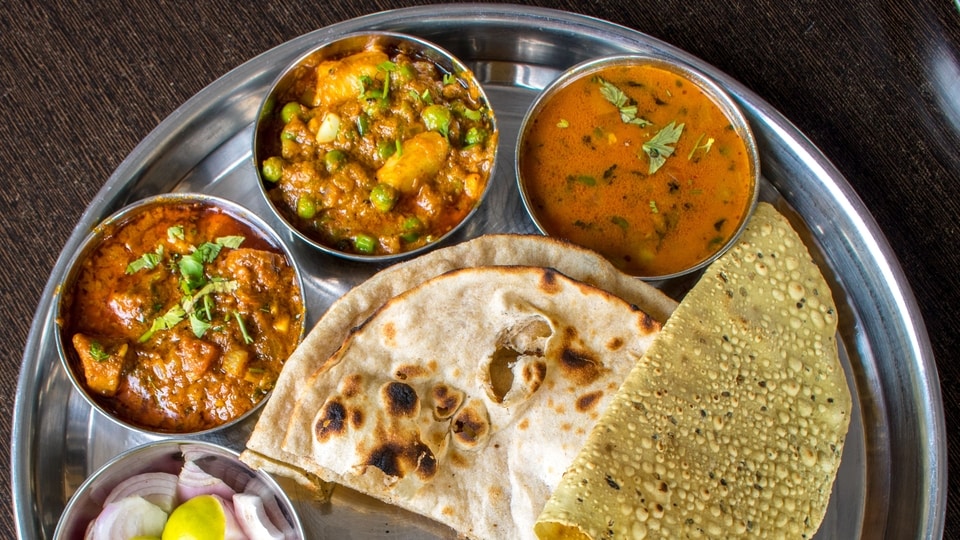
Eating healthy need not involve following exotic diets; regular ingredients prepared well and consumed in the right quantities go a long way, says Dr Arora.
As far as cardiac fitness is concerned, the notion of adopting a healthier diet doesn’t always imply abandoning Indian cuisine or spending lots of money on an exotic diet regimen that includes unknown types of food.
According to cardiologist Dr Parneesh Arora, in most cases, the essential thing is to pay attention to the existing components of your plate and make certain changes consistently.
He shared with HT Lifestyle, “On one hand, Indian dishes are naturally abundant with vegetables, pulses, grains, nuts and spices. On the other hand, constant excessive intake of salt, refined carbs, fried dishes, processed meat, sugar-laden drinks and saturated fat may negatively affect cardiovascular fitness in the long run.”
What matters is to find a balance between “good” and “bad” food. Dr Arora explained how that can be done, which is presented as follows.
Start with what you can add
The cardiologist believes that one of the easiest modifications that can be made in the regular Indian diet is to add more vegetables to meals every day.
“The consumption of seasonal vegetables, green vegetables, gourd vegetables, beans, carrots, tomatoes, and other colourful vegetables adds fibre, vital micronutrients, and bulk to meals,” he stated.
Another good component of an Indian diet for heart health is pulses, dals, beans, and chickpeas, which give protein and fibre. Pulses, dals, beans, or chickpeas can be added in the form of dal, rajma, chole, sprouts, or other combinations, pointed out Dr Arora.
The third modification suggested by the cardiologist is the inclusion of whole grains over refined varieties.
“The choice of whole wheat roti, oats, barley, brown rice, and other unrefined grains adds fibre to the diet,” he noted. “It does not imply that rice or roti should be totally eliminated from the diet. The size of portions and composition of the entire meal is what counts here.”
“Nuts and seeds may be included in the right portions in the daily diet. Examples of nuts and seeds are almonds, walnuts, flaxseeds, and other unsalted nuts or seeds,” added Dr Arora.
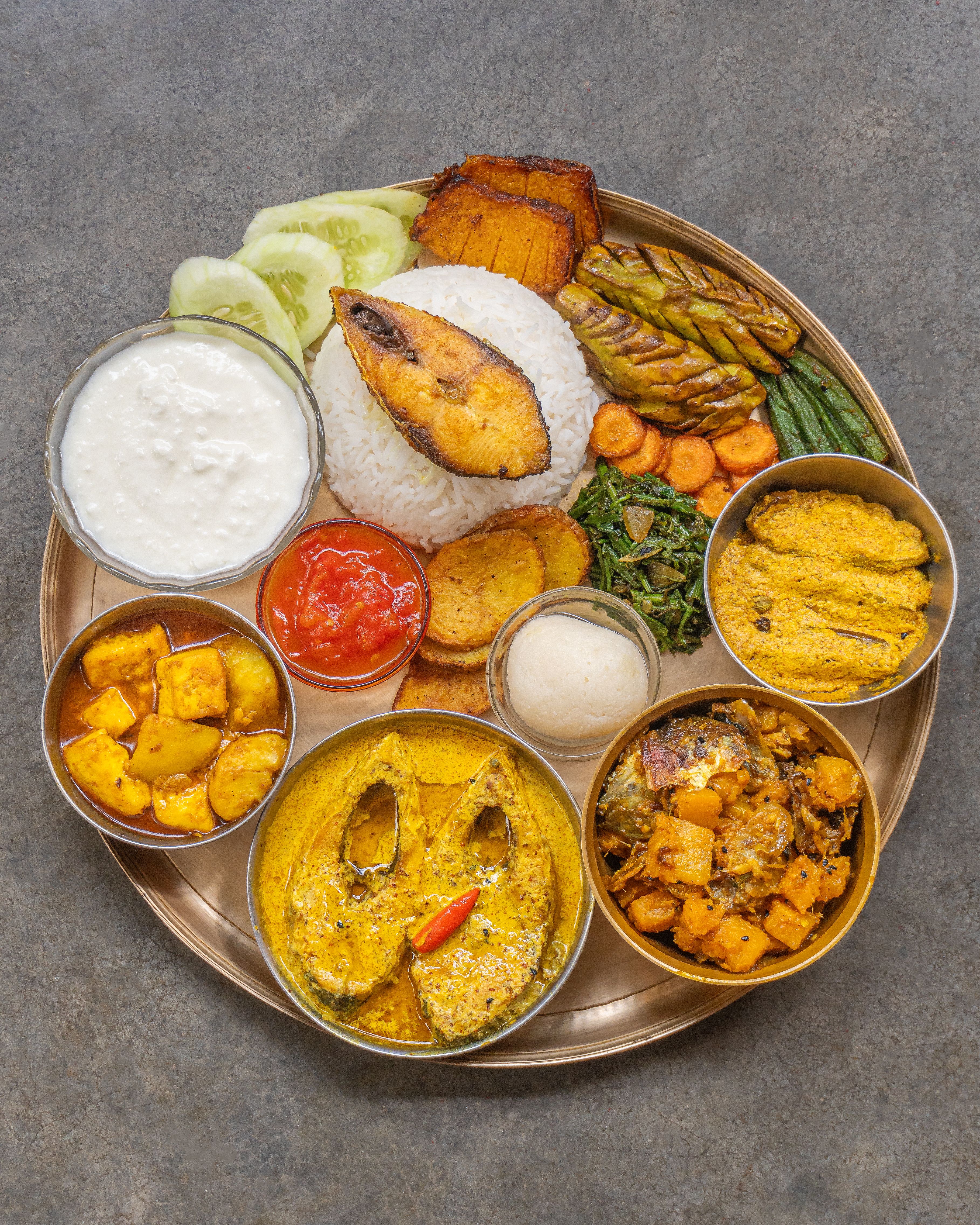
Look at the cooking method
The nutritional value of the same food changes drastically depending on its preparation method. Dr Arora cautioned that regular deep frying of vegetables, paneer, or snacks significantly increases fat and calorie intake.
“A healthy way of preparing food would include grilling, roasting, steaming, sautéing, or pressure cooking. Samosas or pakoras do not have to be considered taboo, but making fried food items an occasional option would make more sense,” he shared.
Cooking fat plays its role here as well. A large amount of butter, ghee, or cream will lead to excessive saturated fat intake, pointed out Dr Arora. Unsaturated fats may be consumed in moderation, whereas reusing cooking oil is a bad idea.
Reduce the hidden salt
“Salt should never be taken lightly since many foods contain sodium but may not necessarily have a very salty taste,” warned Dr Arora.
Examples of such foods include papad, chips, processed foods, sauces, and food served at restaurants.
Meals could easily become more exciting without the use of a lot of salt by using other seasonings like herbs and spices, among others.
Rethink the everyday snack
A pack of chips, biscuits or namkeen may appear to be just a minor thing in life, but habitual snacking may bring a significant amount of salt, refined carbs, and fats into the regular diet.
In the words of Dr Arora, “Small changes in eating habits can bring you good results: instead of sweet desserts, eat fruit; instead of namkeen, choose unsalted nuts or roasted chana.”
Don’t forget what you drink
High-calorie coffees, sweet drinks, energy drinks, and high sugar juices can add large quantities of sugar without offering many nutrients. According to Dr Arora, water should be the primary drink, and other unsweetened drinks may be considered if variety is needed.
“In the end, having an Indian diet suitable for the heart does not mean avoiding all known foods,” stated the cardiologist. “Simple changes done regularly prove more useful compared to a stringent diet that is hard to adhere to. It is the overall pattern that makes the difference in heart health, rather than a single meal at any given time.”
Note to readers: This article is for informational purposes only and not a substitute for professional medical advice. Always seek the advice of your doctor with any questions about a medical condition.
Dr Parneesh Arora, MBBS. MD, DM, is the director of the Department of Interventional Cardiology at Medanta, Noida. He has clinical experience of over 25 years.


Catch your daily dose of Fashion, Taylor Swift, Health, Festivals, Travel, Relationship, Recipe and all the other Latest Lifestyle News on Hindustan Times Website and APPs.


