
 E-Paper



World Arthritis Day: Wardha radiologist explains a new minimally invasive procedure that could save years of knee pain

 Prefer HTon Google


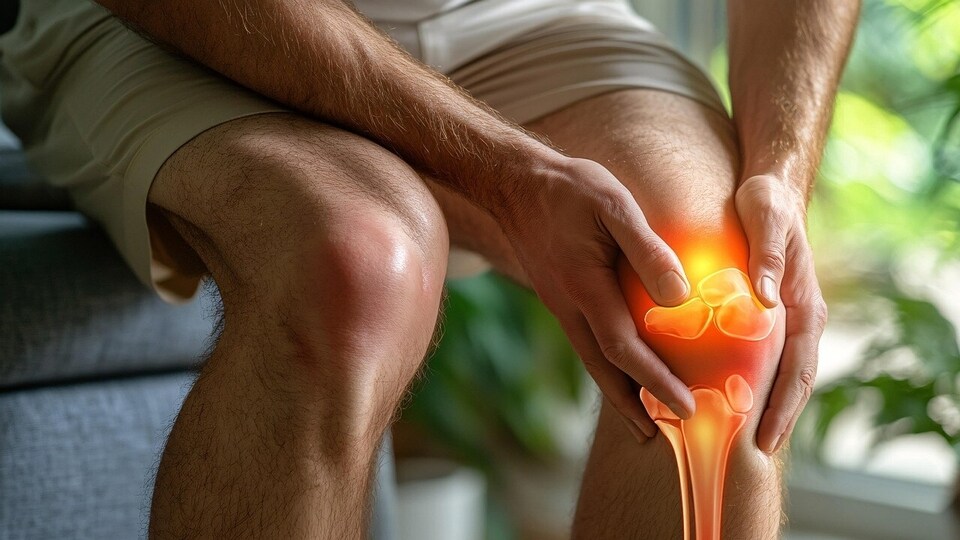
While traditional treatments for osteoarthritis include medication or surgeries, Dr Banode explains why Genicular Artery Embolisation is a safer alternative.
Osteoarthritis is a common yet often debilitating condition, causing years of persistent knee pain that can severely affect daily life. While medications and physiotherapy offer some relief, they don’t always provide the desired results, and surgical options like knee replacements or osteotomies are invasive, complex, and not feasible for everyone. For many patients, the struggle to manage pain while maintaining mobility can feel endless, making the search for safer, more effective alternatives a pressing need.
In honour of World Arthritis Day, Dr Pankaj Banode - Professor and Head of Interventional Radiology at DMIMS Jawaharlal Nehru Medical College, Wardha - shared with HT Lifestyle, a minimally invasive procedure called Genicular Artery Embolisation (GAE) as a promising option for chronic knee pain. He explains that GAE offers multiple advantages over traditional surgery, such as providing faster recovery, joint preservation, and long-lasting pain relief.
What is GAE?
According to Dr Banode, “Osteoarthritis is one of the most common causes of joint pain in India, especially affecting the knees due to aging or lifestyle factors. Research indicates that nearly 25% of adults over 50 experience symptomatic knee osteoarthritis, making it a significant public health concern.”
He mentions traditional treatment options that include physiotherapy, medications, and surgical procedures such as knee replacement. However, he points out a minimally invasive procedure known as Genicular Artery Embolisation (GAE), which is emerging recently, as a promising alternative for patients who either wish to avoid major surgery or face higher surgical risks.
The radiologist explains, “GAE works by targeting the small arteries that supply the inflamed areas of the knee joint. By selectively blocking these vessels, the procedure reduces abnormal blood flow and inflammation, helping to alleviate pain and improve mobility. This innovative approach provides patients with an additional option to manage chronic knee pain while minimising recovery time and surgical complications.”
Also Read | World Arthritis Day 2025: 7 best pain relief products to ease joint discomfort and reduce stiffness
What are the benefits of GAE?
Dr Banode considers GAE superior, highlighting its multiple advantages over traditional knee procedures like osteotomy or joint replacements. “First, it is an outpatient, minimally invasive procedure which means patients normally go home the same day and resume activity within days, rather than weeks or months of rehabilitation,” he explains.
“Second, GAE avoids the trauma of removing bone or inserting prosthetics, preserving the native joint structure.” Additionally, the Radiological Society of North America (RSNA) proves GAE’s ability to provide effective pain relief with minimal risk and faster recovery.
The radiologist highlights that unlike invasive surgical procedures that involve long hospitalisation and rehabilitation, GAE is performed as an outpatient procedure - making it a safer alternative which reduces the risk of infection and enables patients to return to daily activities without delay.

Does GAE work?
The radiologist cites published research studies that prove GAE can significantly improve quality of life - often beyond what traditional surgeries can achieve - with minimal risk and downtime.
“In my practice, I’ve seen GAE transform the daily lives of patients who had resigned themselves to chronic pain whether it is young adults, seniors, those using mobility aids and relying on strong pain meds. One patient with severe osteoarthritis, dependent on daily painkillers and mobility aids, underwent GAE and within weeks reported a dramatic reduction in pain and swelling. She began walking comfortably again, regaining her independence and confidence back, after years of struggle,” he explains. “Beyond physical recovery, GAE also restores dignity and emotional relief, giving patients not just mobility but a sense of freedom. That, to me, is the real impact of this innovation improving life in ways that surgery often cannot.”
Note to readers: This article is for informational purposes only and not a substitute for professional medical advice. It is based on user-generated content from social media. HT.com has not independently verified the claims and does not endorse them.


Catch your daily dose of Fashion, Taylor Swift, Health, Festivals, Travel, Relationship, Recipe and all the other Latest Lifestyle News on Hindustan Times Website and APPs.


