
 E-Paper



World Sickle Cell Awareness Day: Can sickle cell disease increase risk of stroke? What expert says

 Prefer HTon Google


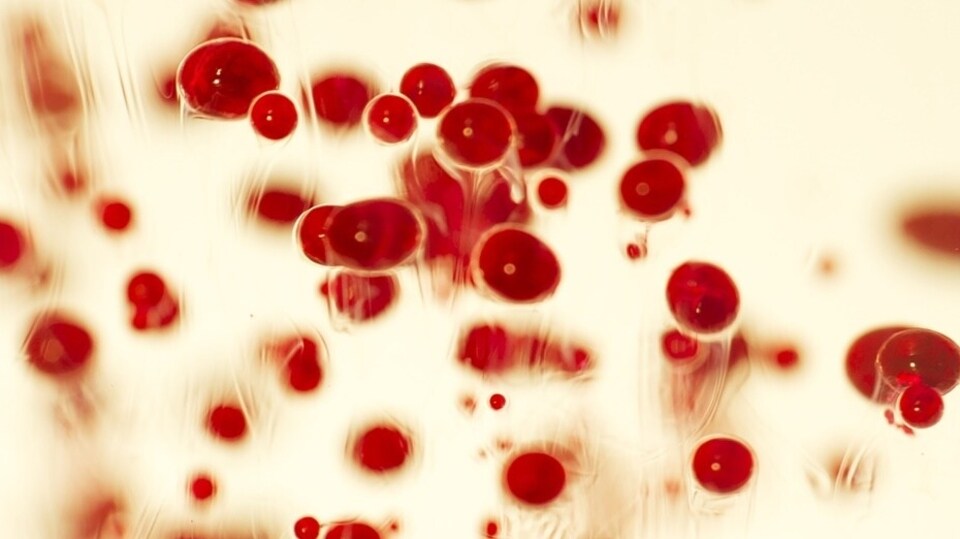
World Sickle Cell Awareness Day: Sickle cell disease (SCD) increases the risk of both ischemic and haemorrhagic stroke. Here's what you need to know.
Sickle cell disease (SCD), a genetic condition, is a group of inherited red blood cell disorders that affect haemoglobin, the protein that carries oxygen to the body. Finance Minister Nirmala Sitharaman during her budget speech announced that the government aims to eradicate sickle cell anaemia by 2047. Sickle cell anaemia is one of the sickle cell disorder where shape of some of the red blood cells that are normally round and flexible become sickle-shaped and rigid. This can block blood flow leading to several complications. World Sickle Cell Awareness Day is observed every year on June 19. The day is observed to make people make more aware about sickle cell disease and the challenges that are experienced by patients, their families and their caregivers. (Also read: World Sickle Cell Awareness Day 2023: Date, history, significance and celebration)
Dr Vijay Ramanan, Sr. Consultant Clinical Haematologist, Bone Marrow & Stem Cell Transplant, Ruby Hall Clinic, Pune in an interview with HT Digital talks about the relationship between sickle cell disease and the increased risk of ischemic and haemorrhagic strokes.
"Sickle cell disease (SCD) increases the risk of both ischemic and haemorrhagic stroke. Cerebral infarction is a common complication of sickle cell disease and may manifest as overt stroke or cognitive impairment associated with 'silent' cerebral infarction or SCI on magnetic resonance imaging. By age of 21 years majority of Sickle cell disease patients have SCI," says Dr Ramanan.
The risk factors for cognitive impairment, overt ischemic stroke, silent cerebral infarction, overt haemorrhagic stroke, and vasculopathy in sickle cell disease coincide with severe acute and chronic anaemia, the majority also reported chronic anaemia, acute chest crises, reticulocytosis, and poor oxygen saturation.
How sickle cell disease causes stroke
"The exact mechanism of how SCD causes haemorrhagic stroke is not completely understood. It could be because people with SCD have weaker blood vessels called Moya-Moya or it may also be linked to aneurysms (enlarged arteries).
People with more severe SCD, such as sickle cell anaemia and sickle beta zero thalassemia, are at a higher risk of having an ischemic stroke," says Dr Ramanan.
Can this risk be avoided?
"Regular blood transfusion lowers, but does not eliminate, the risk of neurological problems in children with sickle cell disease with a history of either an overt stroke, a silent cerebral infarction, or abnormal transcranial Doppler. There is little information on the usage of hydroxyurea or alternative therapeutic techniques. Maintaining Hydration, oxygen therapy, alkaline ph(using Sodium Bicarbonate) will help in the long run. Early detection of neurocognitive problems is anticipated to become more crucial in the treatment of sickle cell disease," says the expert.


