
 E-Paper



Strategies to combat the impact of loneliness on the mental health of elderly

 Prefer HTon Google


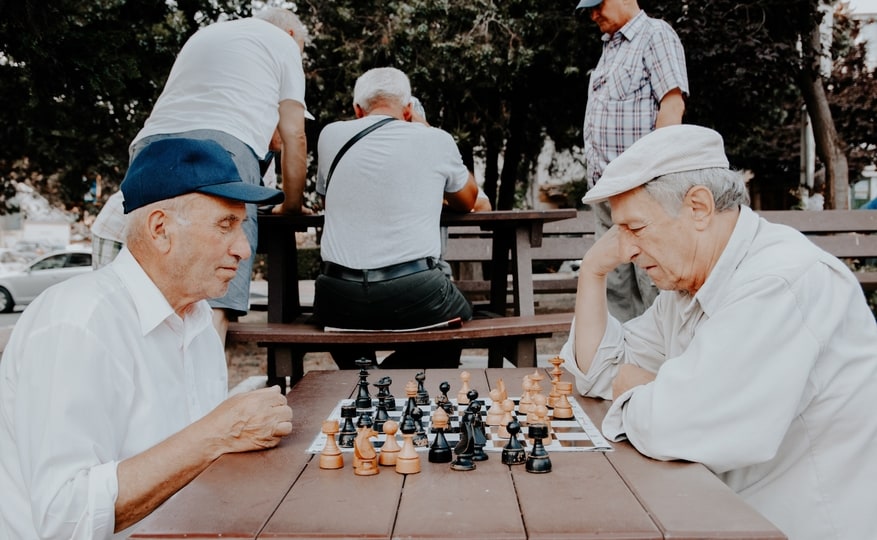
1 in 5 elderly persons in India reportedly has mental health issues. Here are tips by experts to combat the impact of loneliness on the mental health of elderly
Caring for our elders is a societal duty that extends beyond individual efforts and as a community, it is our responsibility to recognise and solve the escalating difficulties and isolation they experience in the contemporary society. We may work to build a society that values the knowledge, experiences and contributions of the elderly by practising constant contemplation and introspection, honour the solid foundation they have built for us and guarantee a better future for future generations by fostering an inclusive atmosphere that respects their beliefs and gives them the assistance they need.
The Longitudinal Ageing Study of India (LASI, 2020) suggests that more than one in ten elderly aged 60 and above have a probable major depression and in the states/UTs of Madhya Pradesh (17%), Uttar Pradesh (14%), Delhi (11%), Bihar (10%) and Goa (10%) while one in five elderly persons in India has mental health issues. By the year 2050, 19.5% of the Indian population will be comprised of senior citizens and there is going to be a major rise in the prevalence of mental health issues in senior citizens.
In an interview with HT Lifestyle, Satjyot Gill, Mental Health Expert and Founder of Wellbeing Action and Research Initiative (WARI), said, “Current times have seen a rise in nuclear families. Due to this many senior citizens feel a lack of care and no one to talk to. In addition, with diseases like diabetes, arthritis, heart problems, blood pressure, pains and aches, they feel more dependent and less active and therefore longing for concern all the more. Also, in many families, the young family members are either working or college-going so the desire to be with someone is all the more in the senior citizens.”
He explained, “Loneliness, isolation and neglect due to the death of a spouse are major factors leading to mental health issues in senior citizens. LASI report, 2020 suggests that among the elderly with a spouse, 82% share most of their personal matters with their spouse, followed by their children or grandchildren (32%). Additionally, a nuclear family scenario with a lack of people from the same age group also contributes to mental health issues. In urban areas, senior citizens remain mostly indoors and have less socialisation and interactions, which further aggravates the problem. Moreover, awareness of mental health problems is also on the lower side and has a stigma attached to it. Availability of mental health services, accessibility and utilisation combined is also poor across the socio-economic spectrum.”
He elaborated, “Most of the time, family members of old people struggle with their constant complaints and lose their calm with them. Remember that mostly they are not looking for a solution to their problems and at the same time it is difficult for them to accept or cope with the ageing body. Just listening to them with patience and care makes a great deal of difference. At times conversations about certain requests or wants come as complaints, so it’s important to have conversations about what they actually want is necessary instead of reacting to the complaints or arguing with them. In old age, other disorders like Dementia, Parkinson and Alzheimer's may also arise which can be very dangerous for the old people but also more taxing for the care providers.”
Satjyot Gill advised, “As caregivers, you should try your best to keep them engaged with cognitive activities. It is also very crucial for old people to follow a schedule, this is often ignored as they retire. Having a schedule gives them direction and something to look forward to. We should also look after them to be occupationally engaged which is not just beneficial for the old people but also for the community. Often we have seen old people leading social causes which brought about social transformation. Every life to have a purpose and mission is always flourishing and thrives and so is for old people too.”
He recommended, “The systemic need of the hour is to have social security for elderly members of the family, especially the ones whose spouse is no more, or those who have moved from their original places of residence and lack a social circle. Self-help groups and Social Purpose organisations need to focus on creating community-level interventions for senior citizens. Moreover, the government needs to work towards the social and financial security of the senior citizens and formulate policies to tackle the problem. We also need to encourage the elderly to reach out to mental health professionals as and when required and bring awareness about mental health in regular conversations so as to remove the stigma attached to accessing mental health services for their overall well-being.”
Dr Geetanjali Chopra, Founder and President at Wishes and Blessings, a Delhi based NGO, echoed that loneliness can have a profound impact on the mental health and well-being of older adults, necessitating a comprehensive approach to address this pressing issue. Encouraging to explore the detrimental effects of loneliness on the elderly population from the perspective of a non-governmental organisation (NGO), she proposed the following strategies for support to promote their mental well-being:
1. Awareness and education:
NGOs play a vital role in raising awareness about the impact of loneliness on elderly mental health. By conducting outreach programs, workshops and community events, NGOs can educate the public, healthcare providers and policymakers about the significance of this issue. Empowering individuals with knowledge and understanding helps combat the stigma associated with loneliness and promotes a culture of empathy and support.
2. Social connection initiatives:
NGOs can spearhead initiatives that foster social connection among older adults. This can include organising regular social gatherings, community events and intergenerational activities that bring together different age groups. By creating opportunities for meaningful social interactions, NGOs can mitigate loneliness and create a sense of belonging for the elderly.
3. Volunteer and companion programs:
Establishing volunteer programs where compassionate individuals can offer companionship and emotional support to lonely older adults is crucial. NGOs can recruit and train volunteers to engage in regular visits or phone calls, providing a valuable source of companionship and reducing feelings of isolation.
4. Collaborations with technology:
Embracing technology can be an effective strategy to combat loneliness among the elderly. NGOs can collaborate with tech companies to develop user-friendly applications and platforms specifically designed for older adults. These tools can facilitate virtual social connections, enable access to online communities, and provide resources for mental health support.
5. Integrated mental health services:
NGOs can advocate for the integration of mental health services within healthcare systems to address the psychological well-being of older adults. By working alongside healthcare professionals, NGOs can ensure that mental health support is easily accessible and tailored to the unique needs of the elderly population.


