
 E-Paper



When obituaries erase the women who speak up
Nana Patekar’s talent is on record. So are Tanushree Dutta’s allegations.

 Prefer HTon Google


The New York Times chose to lead with it: the star who played the Everyman but was also “a figure in India’s fleeting #MeToo reckoning”. The BBC ~chose to close ~ended its 995 word obituary with 59 words on “his career was not without controversies.”

The case against Nana Patekar, the 75-year-old actor who died of a cardiac arrest at his Goa home on Thursday, was eventually closed by the police for lack of evidence. In 2025, a magistrate disposed of the case on grounds of limitation; the police complaint was filed a decade too late.
News of Patekar’s death resulted in tributes pouring in from the president to the prime minister. He was cremated with state honours in Pune, powerful in life and in death.
In the Indian press there was the not unexpected whitewashing. Legendary, fiery and acclaimed were freely tossed about to sum up the life of the 75-year-old. But by and large there was little mention of the 2018 #MeToo movement in which he was a powerful accused. If contribution to cinema matters, if good deeds carry weight, how can media claim to offer a complete assessment of his life while glossing over #MeToo?
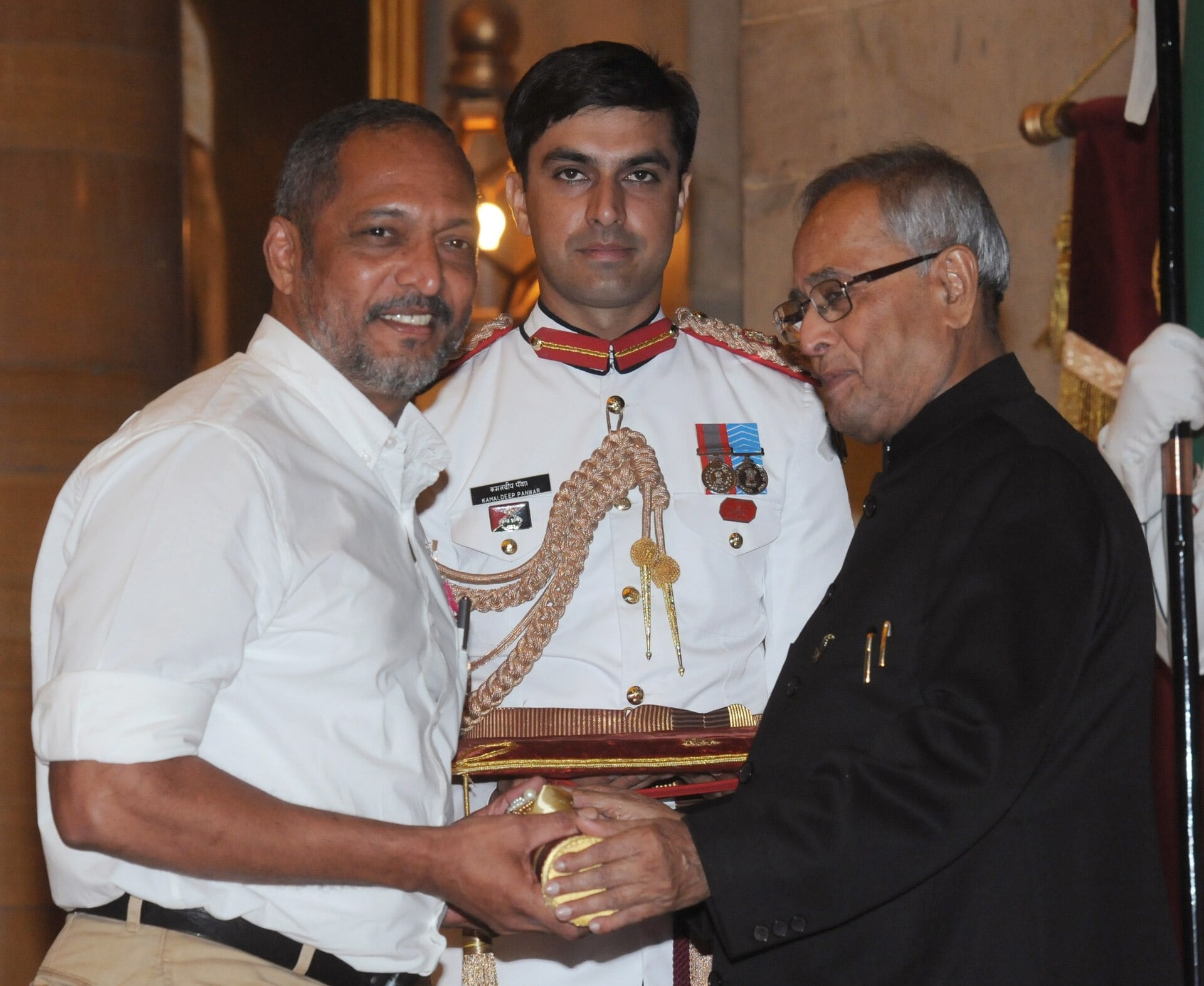
Patekar’s achievements and histrionic talents are not in doubt and are not being called into question. Intense performances across a career spanning five decades in Hindi and Marathi cinema and theatre? Check. An international debut with Mira Nair’s Salaam Bombay? Check. Three National Film awards and a Padma Shri. Yes, check.
But being good at something—acting or sport or writing or painting—does not ever become a license to bad behaviour, let alone sexual assault. There is no artistic license available to successful and powerful man.
The discomfort lies in obituaries that read like RWA uncles holding forth in fulsome praise and cliché. A website that focuses on better news, reminded readers of Patekar’s most memorable roles that “happened far away from the camera. From helping farmers and soldiers’ families to turning his jeep into a shelter for stray animals, his kindness showed up in unexpected ways.” Another account reminded us that he won a silver medal at the National Shooting Championships in 2004 after “shooting became a passion while filming Prahaar in 1991.”
What is media’s role and, within it, the obituary’s? It is to offer a dispassionate appraisal of a person’s life. An obituary is not a collection of pithy sayings that we resort to when a person dies—or to use the preferred Indian euphemism “passes away”. As Jacqui Banaszynski writes on Niemen Storyboard, the obituary is a final life story that “demands sensitive interviewing, strong character development, the arc of narrative and foolproof fact-checking.”
Whose obituaries we choose to write—overwhelmingly upper-caste men in positions of power—tells us a lot about society’s priorities. An obituary of an actor will inevitably focus on his work as an actor. And, if he did good deeds, they merit a mention too. But in the final evaluation of his life, what do we choose to leave out?
To wilfully leave out a serious allegation of sexual assault is not merely to tell an incomplete story. It is to mythologise its subject.
The accusation
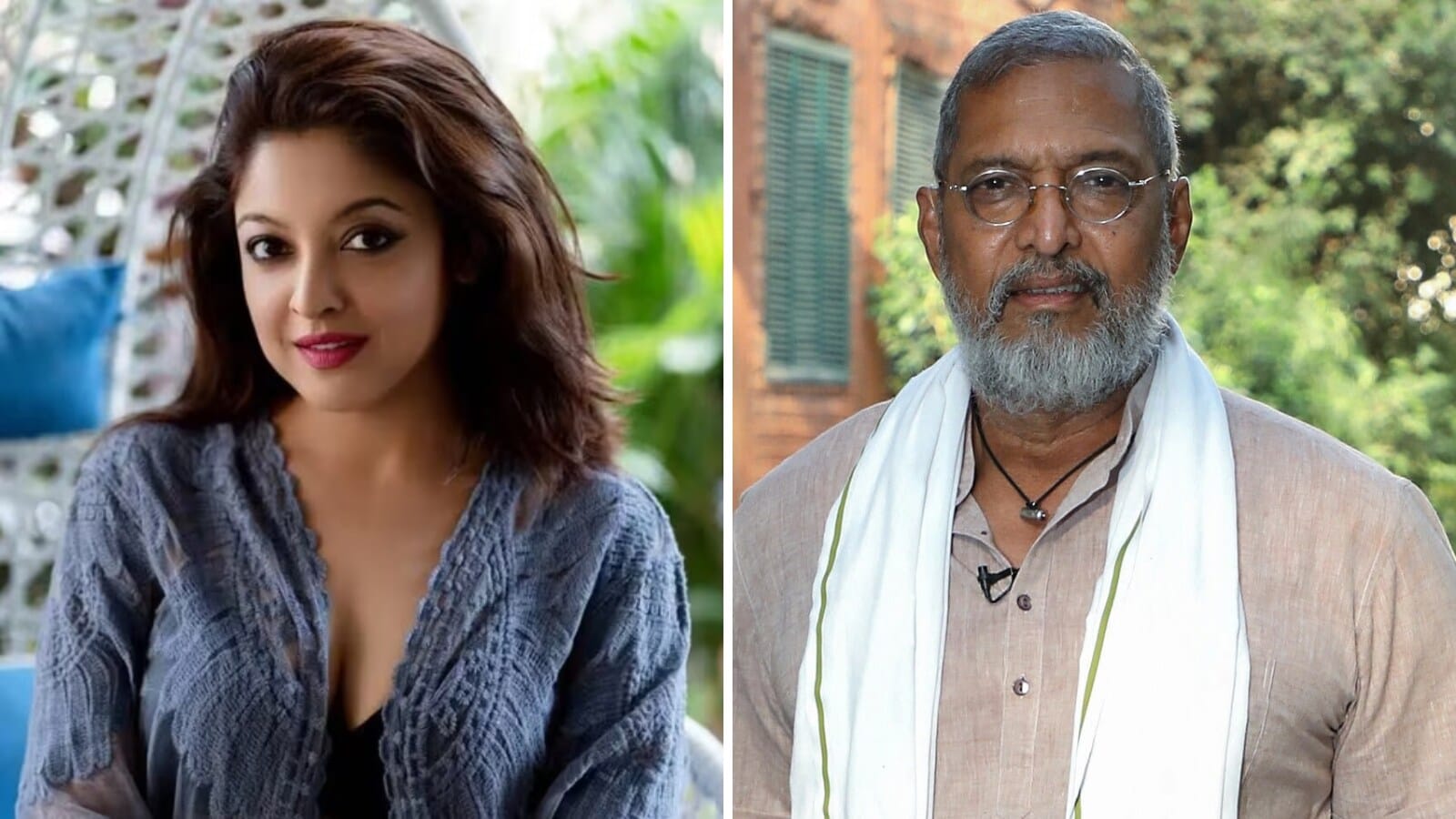
I wrote about the Patekar backstory in some detail in a chapter for a book edited by senior advocate Saurabh Kirpal, Sex and the Supreme Court.
The incident goes back to 2008, when Tanushree Dutta, a former Miss India, complained that the actor had groped her on the sets of Horn Ok Pleassss. According to her, Patekar had managed to wheedle his way into a song and introduced an ‘intimate’ step that wasn’t in the original script. She says she protested and left the sets to go home. But on the way out, her car was stopped by workers allegedly belonging to the Maharashtra Navnirman Sena.
There is a video of angry, menacing men beating down on Dutta’s car, deflating its tyres and smashing the windshield. The footage shows the actress in the back seat, her hand on the driver’s shoulder, perhaps as reassurance. It is terrifying to watch. Later, Dutta complained to CINTAA, the Cine and Television Artistes’ Association. She was ignored, never got a reply and eventually got married and moved to America.
In September 2018, Dutta was interviewed on an entertainment channel when she was asked about the incident and spoke about it in some detail. That interview went viral and is often credited with helping spark India’s #MeToo movement when an extraordinary number of women took to social media to speak about their own experiences of sexual harassment and assault by powerful men.
This time, CINTAA issued a hurried and belated apology. In a 13-tweet thread, journalist Janice Sequeira, who was present at the time of the 2008 incident, lamented: “It could have possibly been the first instance of a Bollywood actress calling out sexual predators, and her voice was silenced by more powerful men who continued to have flourishing careers. Now she’s found her voice again. Should we listen?”
The price of speaking up
Death encourages the language of tribute. But a fair obituary cannot airbrush the less palatable aspects of an artist’s life. The job of an obituary is not to acquit the dead but to evaluate a life.
Posting on Instagram after Patekar’s death, Dutta wrote: “My story timeline has exploded today. Evil is dead and my life is hopefully on track for better things!” The comments resulted in blowback. Insensitive, said the All India Cine Workers Association. Publicity stunt, said trolls on social media. The usual questions asked to sexual assault survivors were raised: Why now? (Because, why not?) Why haven’t other women come forward? (Not her problem).Wasn’t Patekar known to support debt-ridden farmers? (Yes, so?)
Dutta says her life became ‘hell’ after she accused Patekar of sexual harassment in 2018, the price of speaking up against a powerful and connected industry insider. “People don’t know the state I have been in since the MeToo movement,” she posted, claiming that she was followed by goons and threatened.
Death, she said, “doesn’t mean that all the crimes he has committed in his life can be wiped out. All the people he has harassed and victimised, does that account also get closed?”
An obituary is not a verdict, nor does it settle allegations. Patekar’s considerable talent, his achievements as an actor and a philanthropist are a matter of record. But so are Dutta’s allegations and the price she paid. More than an individual accusation, they tell us about the power imbalance in the film industry, they tell us about the unacceptable price of speaking up. To leave that out while celebrating the rest is to tell only part of the story.


