E-Paper



Atlassian CEO Mike Cannon-Brookes says employees can't blame ChatGPT for mistakes at work
Atlassian CEO Mike Cannon-Brookes warned against using AI as an excuse for workplace errors and stressed the need for human accountability.

 Prefer HTon Google


Employees should not be able to avoid responsibility for mistakes at work by blaming artificial intelligence, according to Atlassian co-founder and CEO Mike Cannon-Brookes. He believes humans must remain accountable for work completed with AI tools, even when much of the task is handled by an automated agent.
(Also read: ‘I’m rich, no idea what to do': Indian-origin Loom founder after selling $975 million firm)
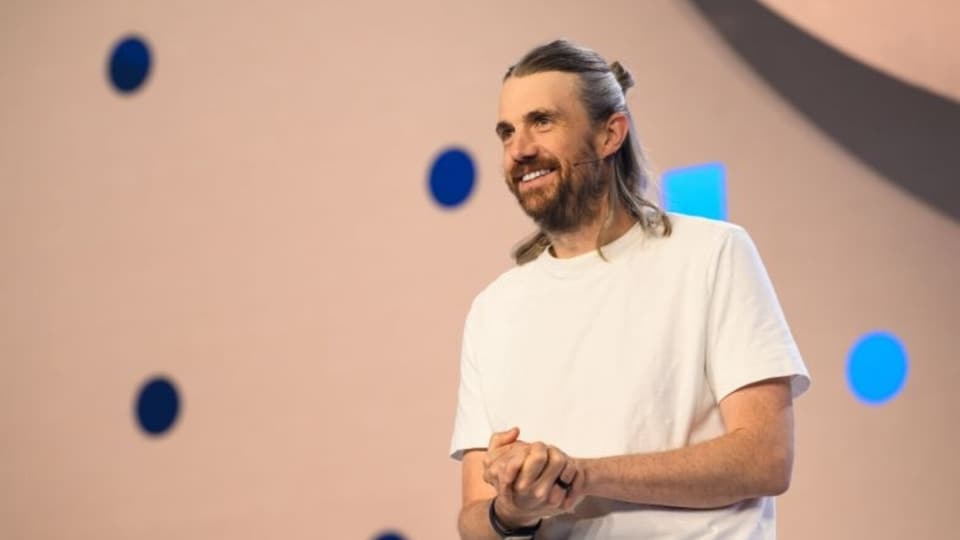
“That’s ChatGPT on behalf of Mike. Like, that’s Mike using ChatGPT. It’s not ChatGPT doing it,” Cannon-Brookes told Fortune on the sidelines of the Singapore Grand Prix. “The accountability is with Mike. It has to be with the end user, ultimately.”
AI agents need a clear identity
His remarks come as companies increasingly deploy AI agents capable of editing documents, managing tasks and accessing workplace information.
On October 6, Atlassian introduced its Agentic Multiplayer Protocol (AMP), designed to make AI agents identifiable members of workplace teams. The system assigns agents distinct identities and permissions, while allowing their contributions to be traced to human users.
“You have to be able to see who did what when,” Cannon-Brookes said, arguing that changes made through AI should be as transparent as edits made by colleagues.
Concerns over workplace security
Cannon-Brookes also warned that consumer-facing AI experiences cannot simply be transferred to offices, where confidential information is routinely shared.
“If you’re making something on Muse, it’s probably just for you,” he told Fortune. “In a workplace, there’s a lot of conversation around permissions, security, and compliance.”
(Also read: KPMG US CEO says AI poses new cyber risks as companies plan job cuts and hire tech talent)
He cited the example of employees using internal documents to produce charts that could inadvertently reveal restricted information if shared with people lacking access to the original files.
Beyond security, he believes complicated interfaces are preventing workers from making full use of AI. “AI can do amazing, crazily super-powerful things. Most people do very basic things because of the interface,” he said. “The experience is very poor.”
Atlassian's growing AI ambitions
The Australian software company, known for Jira and Confluence, launched its AI assistant Rovo in 2024 to connect workplace knowledge, projects and tools.
Its latest approach aims to let employees work across services including Figma, Codex and Claude while maintaining oversight of AI-generated contributions.
Atlassian reported approximately $1.8 billion in revenue for the quarter ended June 30, exceeding analysts’ expectations, according to Reuters. The company also announced plans in March to cut around 1,600 jobs, roughly 10% of its workforce, as it redirected investment towards AI and enterprise customers.