E-Paper



Google DeepMind employees resign over Pentagon AI deals, citing ethical concerns
Google's AI military contracts have raised concerns among some employees, with DeepMind staff resigning over ethical questions.

 Prefer HTon Google


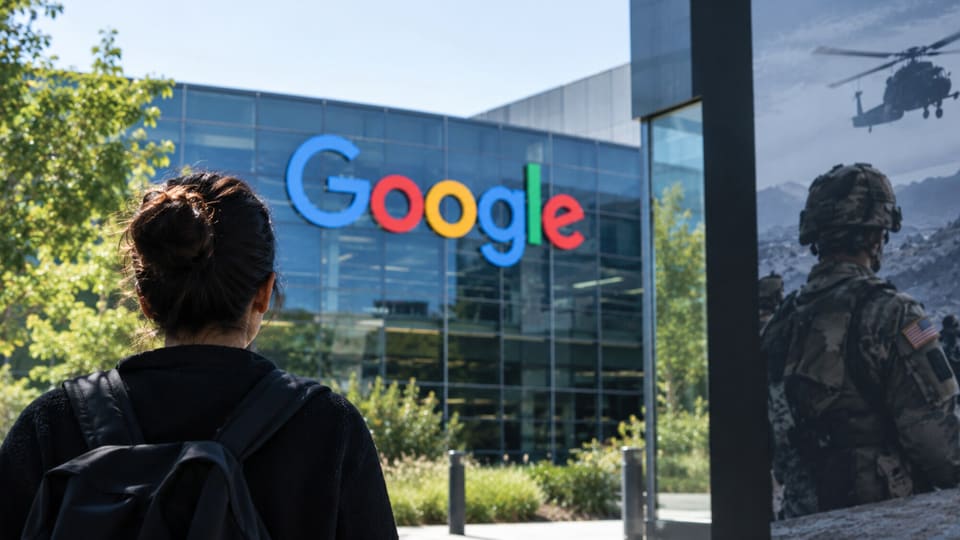
Google is facing a backlash from employees over its growing involvement in military AI, with some Google DeepMind staff resigning over ethical concerns. The departures have raised questions about the risks of using AI in warfare and whether human oversight can keep pace as the technology becomes more deeply integrated into military operations.
Why Google DeepMind employees are resigning
According to a BBC report, Sofia Liguori, a London-based research engineer, resigned from Google DeepMind after three years at the company. She said its growing involvement in military AI had made her question its commitment to ethical principles.
“Realising my company is pushing more and more for AI systems in military operations makes me feel ashamed to work at Google,” Liguori told the BBC.
(Also Read: Scottish man found guilty of rape after victim secretly recorded his confession in cafe: ‘I’m sorry I raped you’)
AI researcher Andreas Kirsch also resigned over concerns about the company's governance and oversight. He questioned whether Google could adequately monitor how the US military uses its technology, particularly in classified settings.
The concerns come as Google and several other technology companies have signed agreements allowing their AI systems to be deployed across classified US military environments.
Concerns over AI use in warfare
The US Department of Defense has made AI integration a priority. Defence Secretary Pete Hegseth has said the country aims to become an “AI-first” fighting force, according to a BBC report on the Pentagon's plans.
However, critics argue that rapidly evolving AI systems need more testing and safeguards before they are used in high-stakes military decisions.
Sarah Shoker, formerly head of OpenAI's Geopolitics team, warned that AI could shorten the time available for human operators to assess potential targets. When systems generate large numbers of recommendations quickly, she argued, checking each output for errors becomes increasingly difficult.
The debate centres on whether human oversight can remain meaningful when military personnel are expected to make decisions at speed.
What Google says about its AI principles
Google has defended its approach, saying it reviews public-sector contracts for compliance with its policies and AI principles. A company spokesperson also said employees have dedicated channels to raise concerns and that workplace policies prohibit retaliation.
Google's AI principles include human oversight and alignment with international law and human rights.
(Also Read: UK man jailed for slicing and stealing 350-year-old map with knife refuses to reveal its location)
However, some current and former employees told the BBC they remain concerned about how these commitments work in classified military settings. They also described fears that speaking publicly about the company's military work could put their careers at risk.