E-Paper



In 1874, rabbits reached the remote Kerguelen Islands; later research found two sensitive native plants had disappeared from grazed areas
Rabbits brought to the Kerguelen Islands in 1874 wiped out sensitive native plants in grazed areas, and two studies show recovery is slow even after removal.

 Prefer HTon Google


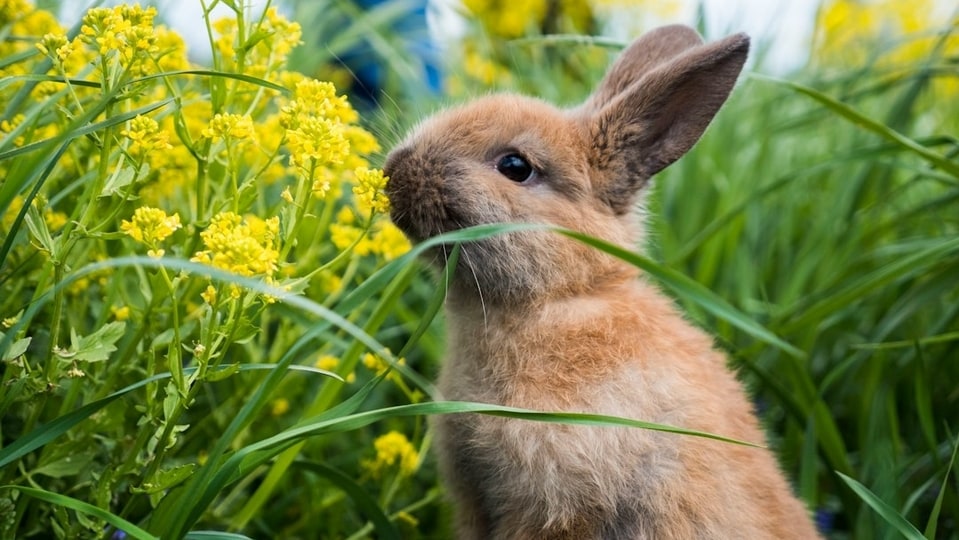
Rabbits are usually seen as harmless, like a fluffy pet or a cartoon character, but on a faraway island chain, they changed the landscape in ways that scientists are still studying. A 2004 study in Biological Conservation by Jean-Louis Chapuis, Yves Frenot, and Marc Lebouvier found that the introduction of rabbits in 1874 had a major impact on the plant life of the Kerguelen archipelago. The most sensitive native plants, the Kerguelen cabbage and the cushion plant, disappeared from grazed areas.
A remote island chain and a risky idea
The Kerguelen Islands lie in the southern Indian Ocean. The French first recorded the islands in 1772, and today a small group of scientists and engineers live there. There are no airports, so everything and everyone comes by boat. In the past, the islands were a stop for whale and seal-hunting ships. People tried to make the place friendlier by bringing animals and plants from home at different times.
In 1874, someone brought European rabbits to the islands, probably as a food source. Nothing there hunted them. As a result, the rabbits bred quickly and ate large amounts of vegetation. Their burrows also made the soil more susceptible to erosion, allowing non-native plants to move in.
What the 2004 study found
Of the 29 plant species native to Kerguelen, few remained in rabbit-grazed areas. The cushion plant and the Kerguelen cabbage, the most sensitive species, became scarce or disappeared. Acaena magellanica took over most coastal areas and formed almost single-species communities.
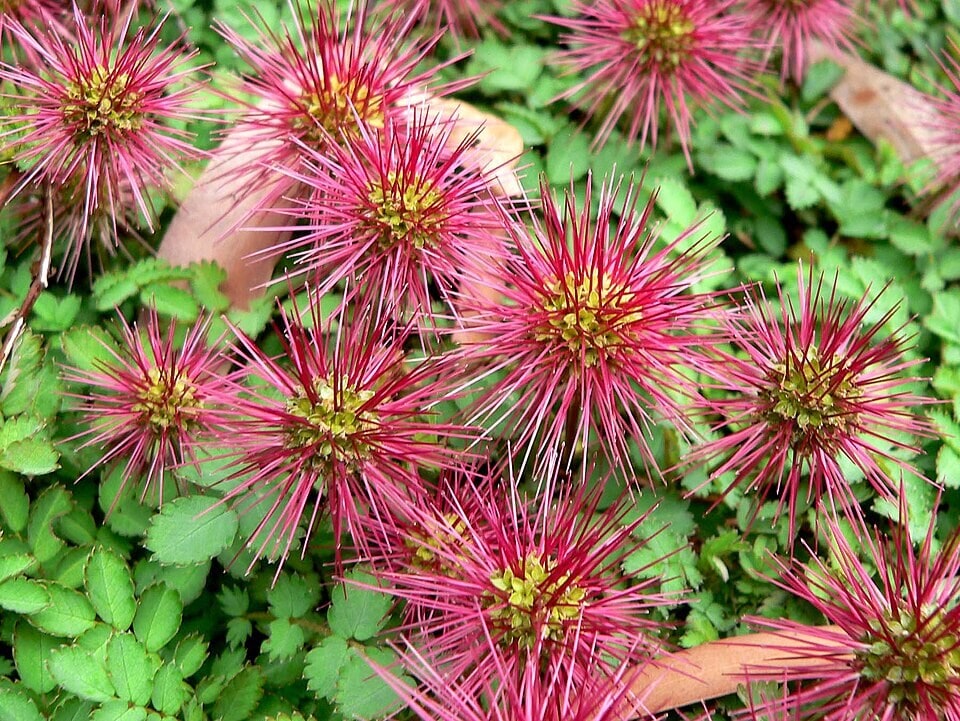
The team also examined how the vegetation recovered. The rabbit eradication program began on Île Verte in 1992 and on Île Guillou in 1994. Afterward, the number of plant species rose on both islands. Some native plants, mainly Acaena magellanica, lost cover, while non-native plants, especially dandelions, spread. Other native plants showed signs of increasing, but later work suggests that full recovery is slow.
The damage hiding in the soil
A later study published in 2015 in Biology Letters, led by Johan Pansu, looked beneath the surface. Fungi are a natural part of a healthy soil community, so the team took soil samples from three islands and searched for fungal DNA. On Grande Terre, there are rabbits everywhere. On Grande Terre, rabbits are widespread. Rabbits were removed from Île Guillou in 1994. Île Australia never had any.
The fungi on Île Australia and at a rabbit site on Grande Terre were very different. That mirrored differences in their plants. There were lots of native plants on Île Australia. The Grande Terre site was dominated by Acaena magellanica and non-native dandelions. Here's the surprise: even after 20 years without rabbits, plant and fungal communities at Île Guillou remained similar to those at the rabbit site. The researchers suggest this reflects slow recovery of the native vegetation after the rabbits were removed.
What the findings suggest
The rabbits weren't some evil villains set out to destroy the world. Humans introduced them, and they ended up becoming an invasive threat. The islands paid a price that is still visible decades later. The two studies together tie one introduced animal to changes in plants, soil erosion, and soil fungi. They also suggest that recovery can take a long time even when the animal is gone.
These results are from specific sites on the Kerguelen Islands and thus do not show that all islands will respond in the same manner. Nature does not always heal fast, so it is best to be cautious about moving species from one place to another.