
 E-Paper


House passes two anti-fraud bills; what it means for states - all you need to know
The US House has approved two anti-fraud measures, including the PROOF Act, which would require states to share records of federal programs with the DOJ

 Prefer HTon Google


The US House of Representatives on Wednesday passed a pair of anti-fraud bills backed by Republicans and supported by dozens of Democrats. The bills are aimed at strengthening federal oversight of taxpayer-funded programs and creating a new division within the Department of Justice (DOJ).
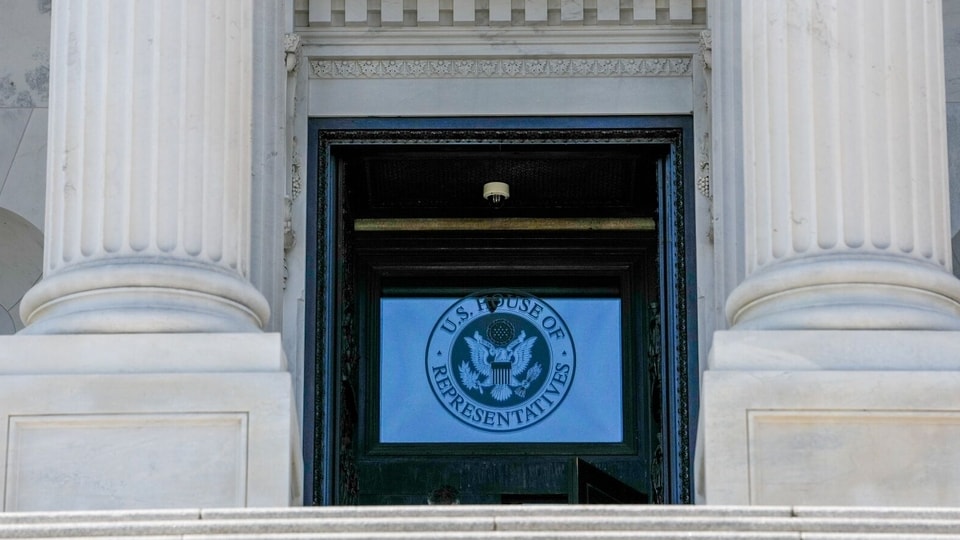
The measures now move to the Senate for consideration.
Also read: US House passes Ratepayer Protection Act: What is it, what would it do and who voted against it?
What are the two anti-fraud bills passed in the House?
One of the bills approved by the House is the National Fraud Enforcement Division Act of 2026 (H.R. 9576). The bill was introduced by Republican Study Committee (RSC) Member Brad Finstad (MN-01).
The House approved the bill by a 352-72 vote, with 139 Democrats joining all Republicans, according to congressional vote tallies reported by Capitol Hill correspondent Craig Caplan. Democratic leaders Hakeem Jeffries, Katherine Clark, Pete Aguilar and Judiciary Committee Ranking Member Jamie Raskin voted in favor.
This bill would permanently establish the Justice Department's National Fraud Enforcement Division, which the Trump administration created earlier this year to investigate large-scale fraud involving federal funds. House Republicans said the Trump administration has identified nearly $250 billion in alleged fraud across federal programs and argued the legislation would make those enforcement efforts permanent.
If passed, the division would be required to be led by an Assistant Attorney General for Fraud Enforcement appointed under federal law.
The other bill passed in the House is the Preventing Rip-offs and Obtaining Oversight of Funds (PROOF) Act (H.R. 10326). The bill was introduced by RSC Member Jeff Van Drew (NJ-02).
Also read: Sunny, the Obamas' loyal dog, dies at 13, reuniting with Bo in memory: ‘Will miss her terribly’
What would the PROOF Act do?
The bill would require states to disclose data from government-funded programs such as Medicaid, the Supplemental Nutrition Assistance Program (SNAP), and Temporary Assistance for Needy Families (TANF), assisting federal fraud investigators and prosecutors in identifying misuse of funds.
The bill will also require states to share relevant information requested by federal investigators investigating the unemployment insurance, disaster assistance, broadband grants and certain COVID-era relief programs.
Rep. Jeff Van Drew (R-New Jersey), who introduced the PROOF Act, said the measure is intended to ensure investigators can access information needed to determine whether federal money is being misused.
Van Drew said after the House vote, “States should not be able to block important fraud investigations when federal taxpayer dollars are involved.”


