E-Paper


Saltcedar was planted across the West for shade and windbreaks; from 10,000 acres in 1920, the plant spread to over 1.2 million acres by the mid-1960s
Saltcedar was recommended in the early 1900s for shade and windbreaks. It grew from an estimated 10,000 acres in 1920 to over 1.2 million by the mid-1960s.

 Prefer HTon Google


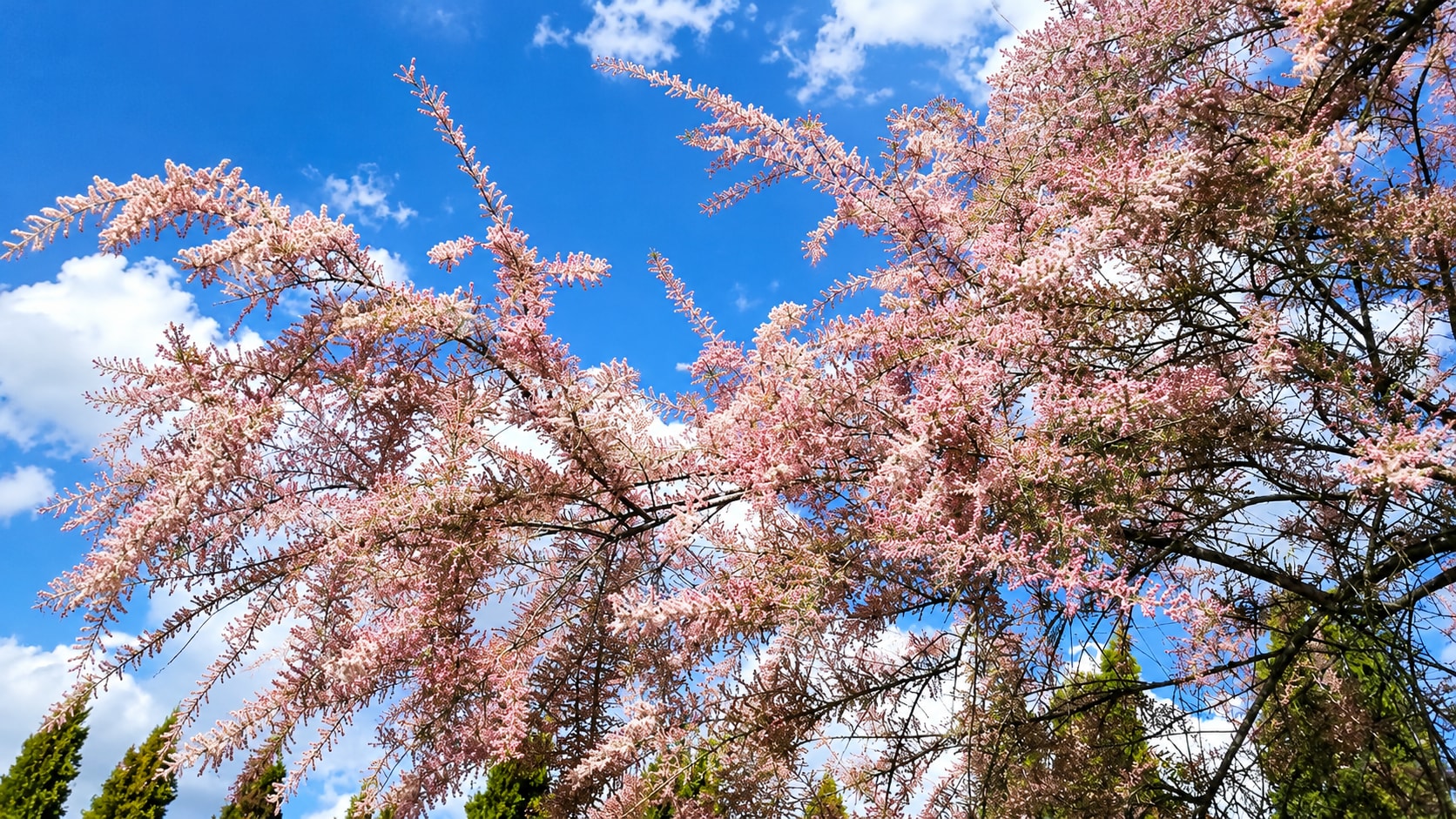
A shrub planted to shade poultry and block the wind has spread across floodplains in the American West. According to the U.S. Forest Service’s Fire Effects Information System review of Tamarix, saltcedar was recommended in the early 1900s. Suggested for ornamental use, windbreaks, fuel, and shade for poultry and small stock, it ended up expanding from an estimated 10,000 acres in 1920 to more than 1.2 million acres by the mid-1960s.

A plant introduced to help
Saltcedar is also known as tamarisk. In the early 1900s, these goals were practical. People wanted something nice to look at. They needed a plant that could provide shade, serve as a windbreak, and be used as fuel. The same review also indicates that three deciduous tamarisk species reached North America before 1920. Early recommendations focused on small, everyday problems that the plant seemed to fit.
From 10,000 acres to over a million
Those numbers can be easy to overlook, but 10,000 acres is about 16 square miles. 1.2 million acres is roughly 1,875 square miles, larger than the state of Rhode Island. That is also about 500,000 hectares, the metric unit used in the next review. The review describes this as rapid spread from the 1920s to the 1960s. That’s some 120 times more land in about 45 years.
Deep Dive

The plants weren’t one big block, though. Hundreds of thousands of hectares (one hectare is about 2.5 acres) in western North America have been invaded by non-native Tamarix shrubs, according to a 2005 review by Patrick Shafroth and colleagues in Environmental Management. Those areas include floodplains, reservoir edges, and other wet areas.
Why people want it controlled
Shafroth and colleagues explain why many managers want less saltcedar. Riparian areas are the land along rivers and the edges of lakes and reservoirs. Managers hope to reduce the amount of stream water lost to evaporation and plant use. Managers also want to restore native plants along streams and enhance wildlife habitat. Each goal sounds simple enough, but they all involve water, plants, and animals at the same time.
The science is not one-sided
This is where things get more complicated. The paper reports that more water in streams does not always follow removal, and the gains in water experiments were lower than expected. The likelihood of native vegetation being restored varies by site. Moreover, not all wildlife species clearly prefer native plants over saltcedar. This is why, according to the authors, there are many discussions about control programs.
What this story teaches
Instead of just answering yes or no, the authors emphasize the importance of proper planning. Managers need to select the right areas for removal. They need to apply the most appropriate and most cost-effective techniques. Finally, they must monitor the outcome carefully. This includes control success, how well native plants regrow, changes in water yield, and wildlife use.
As we saw from the saltcedar case, early planting recommendations can end up having a far-reaching effect. Shade and windbreaks were the goals in the early 1900s. But even today, scientists and land managers are trying to weigh trade-offs. That does not mean every introduced plant becomes a pest. It does mean that major changes to the environment are worth monitoring. Also, it is important to remember that the numbers are estimates, not exact figures. That kind of caution is useful wherever people and nature share the same landscape.