
 E-Paper



Report: Remembering Veenapani Festival 2026
From musical storytelling performances to a classical Sanskrit play and a reimagination of a Shakespearean one, the event was a treat

 Prefer HTon Google


Ferns and falling flowers, fruit laden trees, sultry summer temperatures, workers throwing their voices over a verdant campus; the artistic director cycling up and down the mud path fixing something or the other a few hours before the first show; volunteers abuzz with some help from their walkie-talkies; guests eating bajjis, burgers and dosas while waiting for the popsicle van to show up… These were some of the images that stayed in the mind well after the 12th edition of the Remembering Veenapani Festival (RVF) 2026 held from April 12 to 26 at the Adishakti Theatre Arts Campus near Auroville in Puducherry. RVF featured nine shows that collectively reflected the words of Adishakti Theatre’s founder, Veenapani Chawla: “Anything and everything is theatre.”
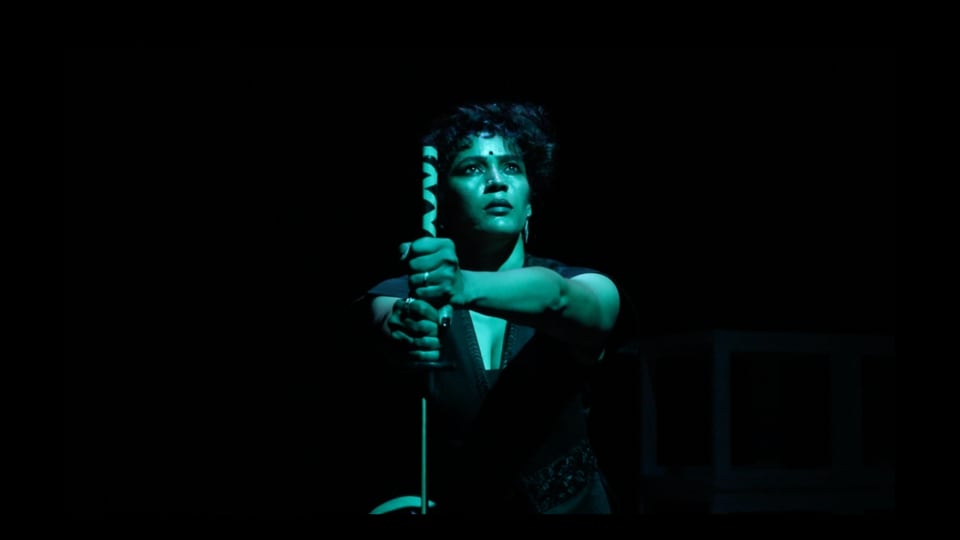
Besides plays, music shows and dance theatre performances, the festival ran a documentary film series showcasing films on contemporary themes. Before the Third Bell, The Documentary Edition was curated by Aparna Sanyal of the Public Service Broadcasting Trust (PSBT).
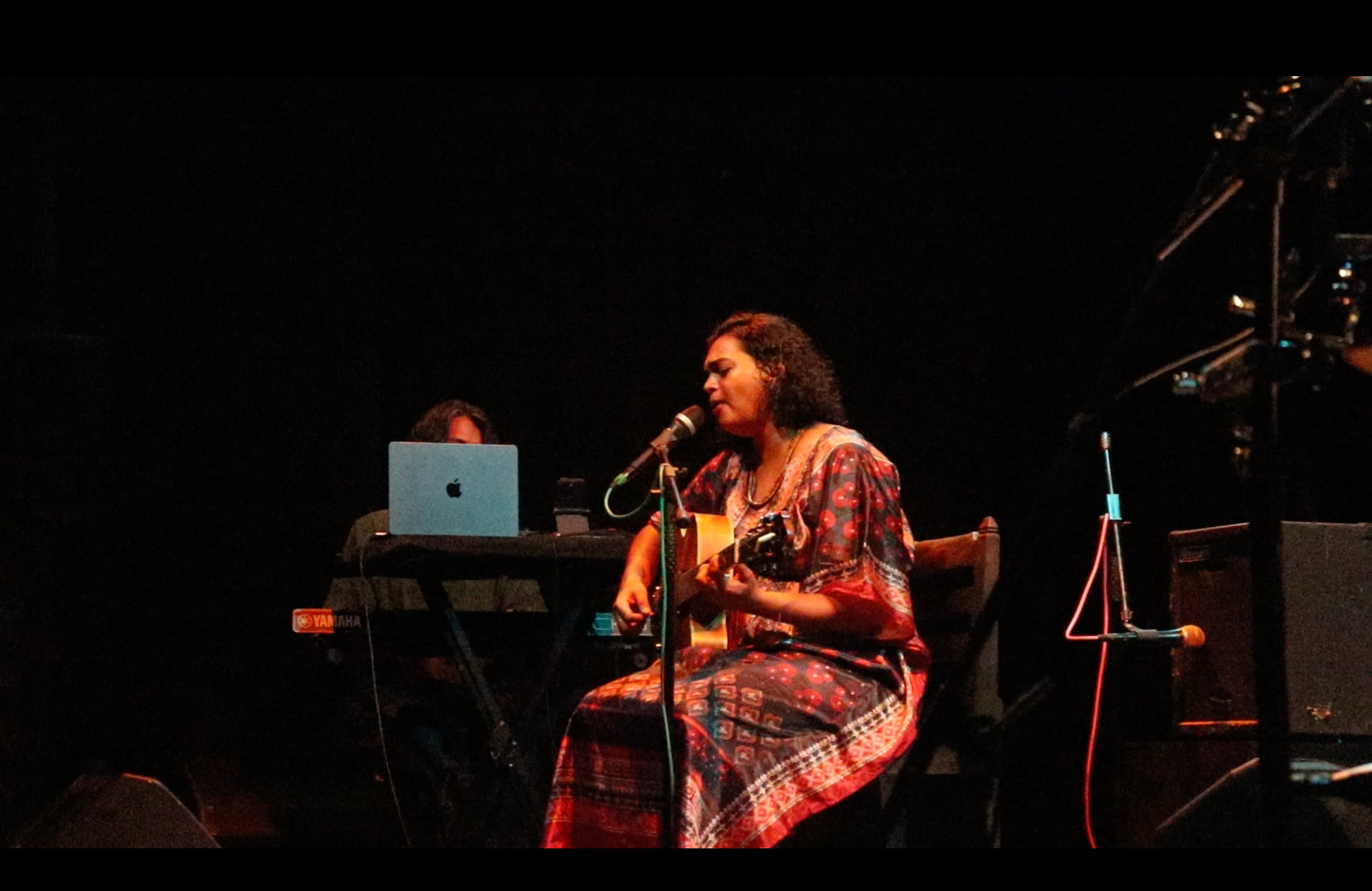
The festival’s first show was a musical storytelling performance, Mone Rekho, that had Soumik Datta, all through his sarod recital, recalling his relationship with his musical mentor, who constantly reminded him to “keep in mind” certain phrases of raags, salient features of classical music and the sacred tenets of being a student of classical music.
Then, Sage for the Ages launched their album R-Evolution that stands with those struggling to keep the earth safe. Written by Kirtana Krishna, the songs speak of the problems of plastic, of “the earth being sold”, and of the yearning for home. Preethi Athreya’s Rubber Girl was a riveting dance theatre performance that delved into desire and the evolution of cabaret as a form in which women’s bodies are “packaged.” The performer’s research melded seamlessly into the storytelling.
Jangama Collective’s Bob Marley from Kodihalli, directed by Lakshman K P, featured Shwetha Rani H K, Bharath Dingri and Chandrashekar K depicting caste oppression playing out over generations and across locations. To the credit of the performers, the Kannada play was completely understood and much appreciated by the Aurovillian audience. The Queen, written by Aditya Rawal and directed by Daniel Owen Dsouza, was spectacular in presentation and performance, with Puja Sarup playing the protagonist. Adishakti Theatre’s A Woman or Not to Be, written and directed by Vinay Kumar, skillfully reimagined Hamlet as a woman raging against her father while grieving the suspected murder of her mother. The ensemble of actors led by Nimmy Raphel (who played Hamlet) challenged every memorable scene from the famous play with new questions and perspectives.
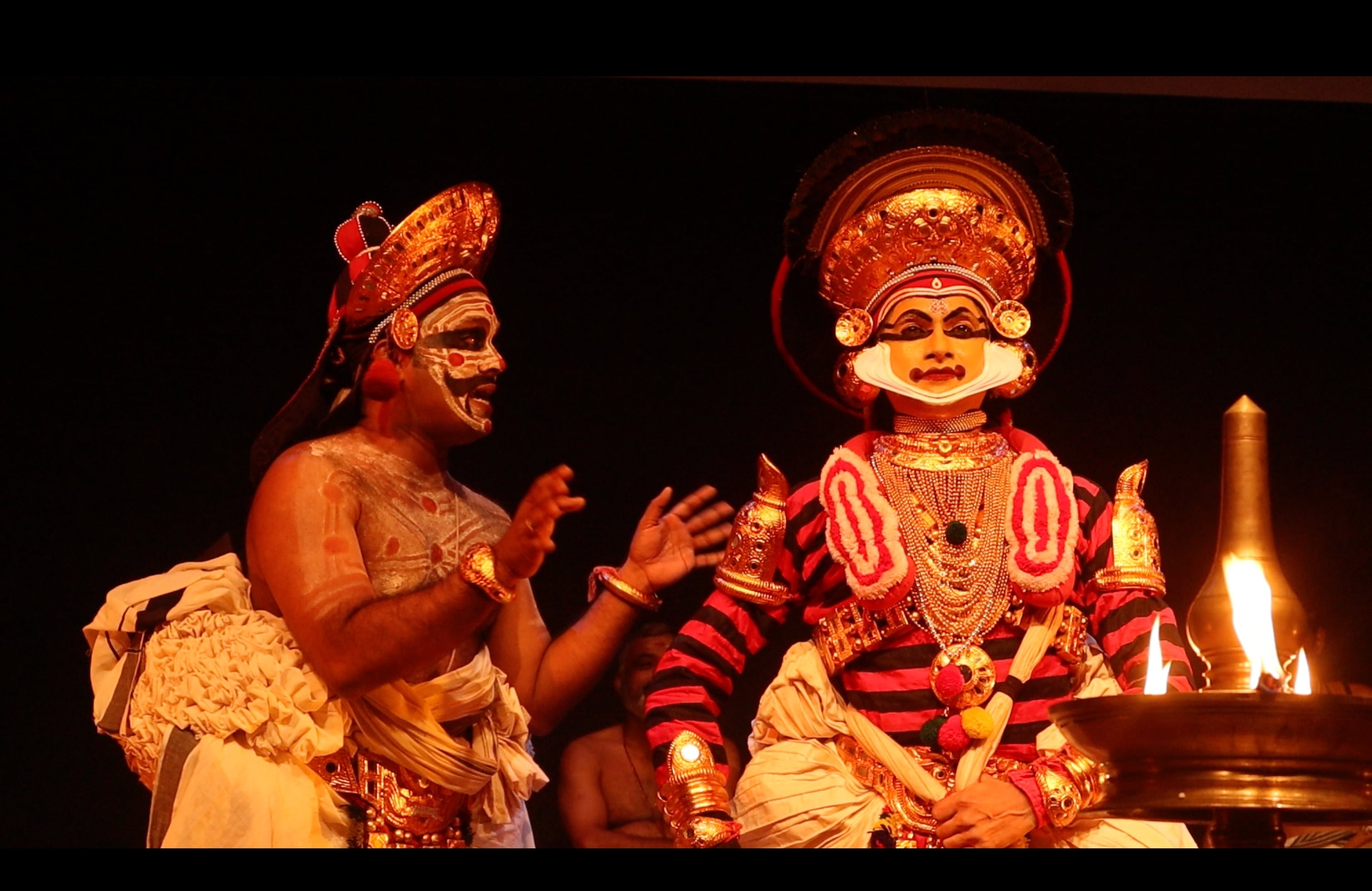
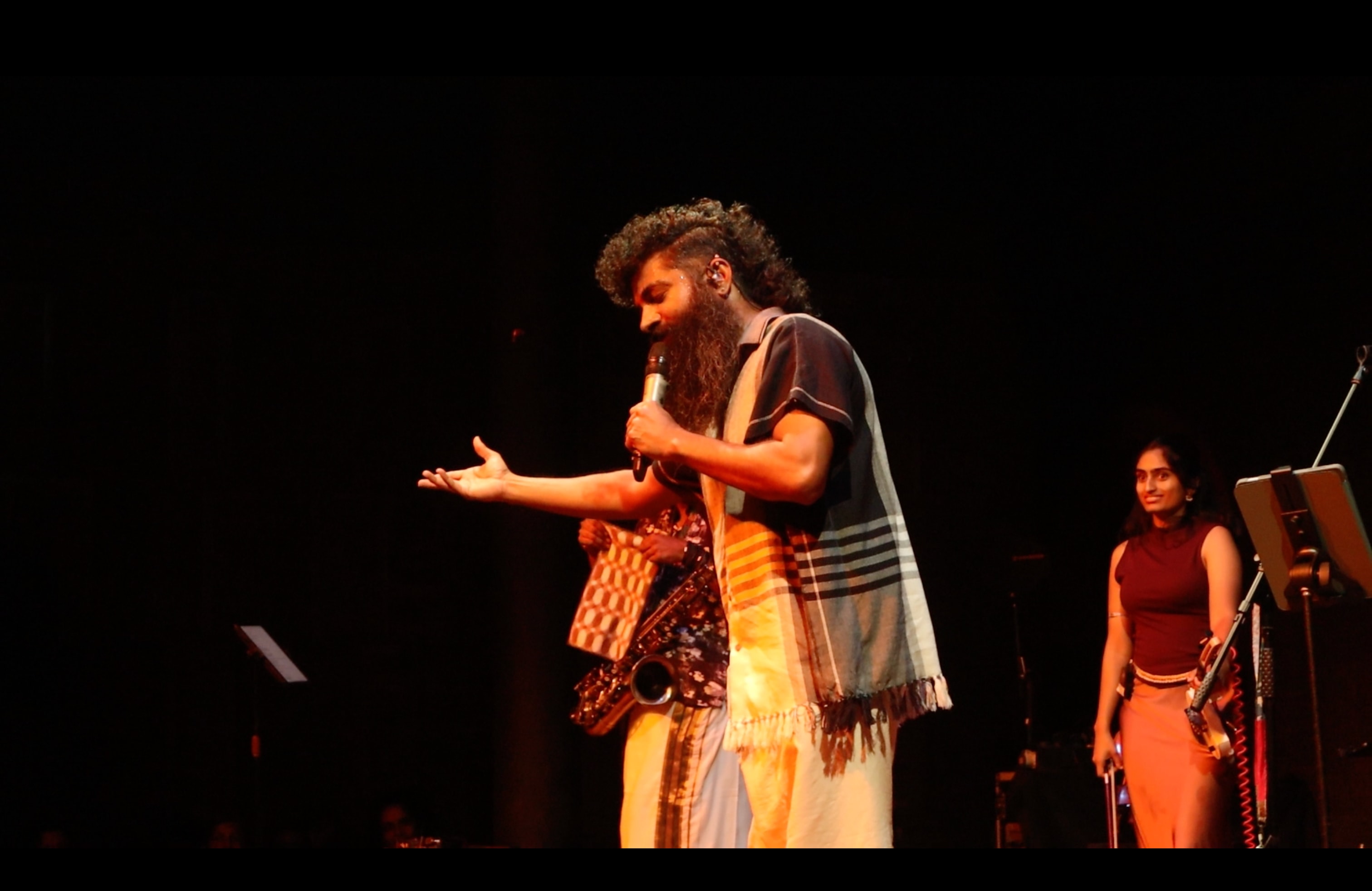
Something Like Truth, written by Shanta Gokhale and directed by Parna Pethe, was another hit that presented the female gaze and shone with feminine energy. Natanakairali’s Kutiyattam version of Śūdraka’s classic Mrcchakatikam was brought alive by Kapila Venu, Sooraj Nambiar and an ensemble of highly proficient actors under the seasoned directorial guidance of G Venu. The Vasu Dixit Collective then presented the grand finale. “It had the audience in tears,” said Adishakti’s artistic director Vinay Kumar.
What marks the RVF out from other arts festivals is the sense of sanctuary it provides for artistes and the arts, without drawing a line between genres and forms. For actor, theatre educator and theatre-maker Puja Sarup, who first visited Adishakti for a workshop in 2004, returning for the festival is like a homecoming. “Since then, I have attended the Adishakti actor training workshop, watched performances, been part of productions, explorations, residencies and performed in other editions of the RVF. It is the people and the space that draw me. Every time I come here I feel held by both. It is one of those friendships where it doesn’t matter when the last meeting was. When you meet you just pick up from where you left off,” she says.
It is a struggle to put up the sponsor-less festival year after year but the organizers have stubbornly kept it free and open to all in the hope of giving more audiences a chance to experience high quality theatre from across the world. Nimmy Raphel, managing trustee, Adishakti Theatre, says she has accepted that “it is not going to get any easier” but will “run the festival for as long as possible.” She points to the “transactional world” they have to negotiate while seeking corporate sponsorship and says, “I don’t know if arts can work that way.” Crowd-funding is not any easier but the approach of collaborations is helpful, she says adding that audiences have emphatically expressed “their special love for live performances”.
Vinay Kumar and Nimmy Raphel point to the wholesome nature of theatre that makes it easy to include various forms rather than just plays. “Theatre is a very integrated form. It allows the possibility of having movement, music, mime, puppetry and more. In Adishakti, it is all part of our practice,” says Nimmy. Vinay Kumar stresses that defining only plays as theatre does not reflect an Indian aesthetic. “Dance and music are a very integral part of theatre-making in our tradition. Those forms already belong here in the theatre,” he says.
The challenges notwithstanding, year after year, the Remembering Veenapani Festival demonstrates that theatre in all its fullness is more than an evening of recreation for those who choose to be steeped in it. It is a lifetime of showing up; sitting with an instrument, an empty stage, a sheet of paper, an ensemble of actors or with one’s own inadequacies and transforming all of that into something much more.
Charumathi Supraja is a writer, poet and journalist based in Bengaluru.


