E-Paper



India's GST collections surge 23% to ₹2.31 lakh crore in October, second-highest since 2017 rollout
October figures were significant because, for the first time, both gross and net GST collections had reached these levels in a normal month.

 Prefer HTon Google


India’s gross Goods and Services Tax (GST) collections rose 22.9% year-on-year to ₹2.31 lakh crore in October, the second-highest monthly collection since the tax regime was launched in July 2017, driven by strong growth in import-linked revenue.
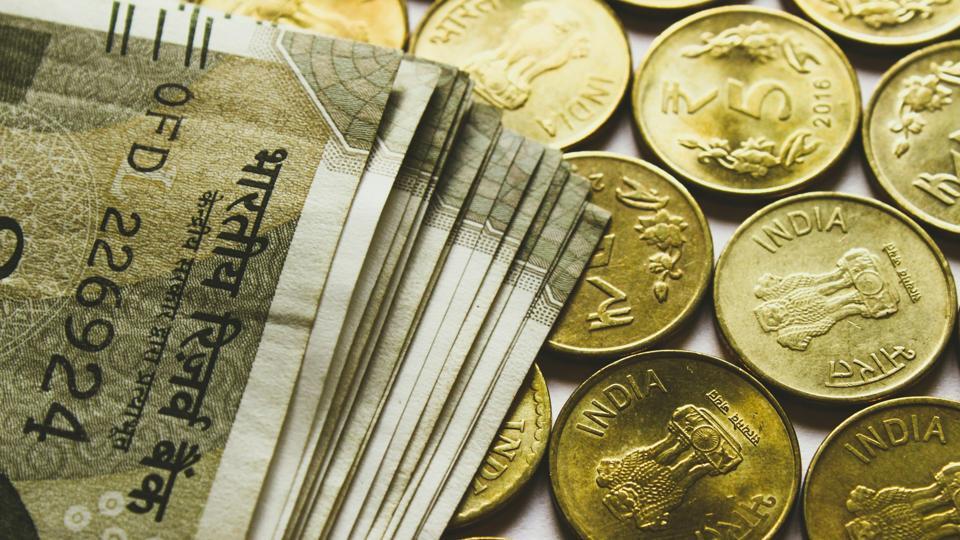
Gross GST collections stood at ₹2,31,290 crore in October 2026, compared with ₹1,88,125 crore in October 2025, excluding compensation cess, according to government data released on Sunday. The collections reflect transactions undertaken in September.
On a comparable basis, October’s collection was the second-highest ever, after the ₹2,42,702 crore recorded in April 2026. While April 2025 collections were higher at ₹2,36,716 crore before adjustment, they stood at ₹2,23,265 crore after deducting ₹13,451 crore in compensation cess. The cess was levied under the earlier GST regime but is no longer part of collections.
Why these gross and net collections matter
Deloitte India partner M S Mani said the October figures were significant because, for the first time, both gross and net GST collections had reached these levels in a normal month.
April collections are typically higher because they include year-end reconciliations. GST collections for a particular month reflect business transactions undertaken in the preceding month.
Import-linked GST collections led the growth, rising 42.2% year-on-year to ₹72,246 crore. Collections from domestic transactions grew 15.8% to ₹1,59,044 crore, the data showed.
The stronger growth in import-linked collections may also reflect higher imports of inputs used in manufacturing, rather than consumption alone, experts said.
Saurabh Agarwal, tax partner at EY India, said collections could rise further next month on the back of festive demand. “Looking ahead, the festive season should keep demand buoyant, and collections for the coming month are likely to remain strong,” he said.
Also Read I Google’s $500bn bloodbath reflects the danger it faces from AI
He, however, stressed the need to strengthen domestic activity to balance import-led revenue growth. “While the Production Linked Incentive (PLI) schemes have delivered encouraging outcomes in select sectors, it may be time to revisit and recalibrate schemes in certain sectors with unutilized budgets, so that they better support the larger objective of an Atmanirbhar Bharat,” he added.
After refunds of ₹27,934 crore, net GST collections in October stood at ₹2,03,356 crore, up 25.6% from ₹1,61,900 crore in the same month last year.
Refunds rose 6.5% from ₹26,225 crore in October 2025.
Revenue mobilisation, maturity of framework
“Overall, the October numbers provide a positive signal for revenue mobilisation and reinforce the growing maturity of India’s GST framework,” said Abhishek Jain, partner and national head indirect tax for KPMG in India.
Deloitte India partner M.S.Mani said while the gross GST collections have crossed ₹2 lakh crore several times in recent months, the festive-season consumption boom had also pushed net collections above that mark. “Since the festive season is ongoing, this robustness is expected to continue as it ties with leading macroeconomic indicators,” he said.
According to experts, monthly GST collections have stabilised at around ₹2 lakh crore following the rate rationalisation announced in September 2025.
At its 56th meeting on September 3, 2025, the GST Council announced a simplified two-slab structure of 5% and 18%, with a special rate of 40% for luxury and sin goods. The revised rates came into effect on September 22, 2025.
Also Read I Binance to resume withdrawals after $6 billion hack attempt
The rate changes were followed by a series of process reforms. At its 57th meeting in New Delhi on October 8, 2026, the GST Council recommended measures to simplify compliance, including changes to registration, refunds and adjudication.
It also recommended removing arrest provisions under GST and raising the prosecution threshold from ₹1 crore to ₹5 crore.