
 E-Paper



Guest Column | Counting the cost of political overshoot in Punjab
Punjab’s people do not expect miracles. They expect promises that mean something for sustainable development, public services that work and decisions they can trust


Punjab has never lacked resilience. Families rebuilt their lives after Partition; farmers helped feed a nation; communities endured years of violence and uncertainty. Yet familiar anxieties remain. Farmers wonder whether their livelihoods can survive another generation of depleted groundwater. Young people look for dependable work. Families affected by drugs seek treatment as well as protection. Citizens want routine services without repeated visits or personal influence. Governments change, promises multiply, but these concerns persist.
Why has a state capable of overcoming extraordinary crises struggled to resolve problems it has recognised for decades?
History, federal arrangements and changing markets explain much. So do governance fault lines that have developed across parties and administrations. They are sometimes deepened by what might be called political overshoot: competition that prizes impractical promises, symbolic action and immediate advantage over the patient work of governing. When delivery falls short, further concessions may seem easier than explaining failure or changing course. This is a risk within political culture, not an accusation against every politician or welfare measure. Here are some of the major fault lines:
Policy without coherence or continuity
Governments have long urged farmers to diversify beyond wheat and paddy. Yet procurement guarantees, established markets and electricity incentives still favour familiar crops. Farmers cannot be asked to bear the risks of transition while policy leaves those risks with them. Diversification needs remunerative markets, procurement alternatives, water policy and Union–state cooperation. The wider lesson is simple: one department cannot undo incentives created by another. For a small farmer, a failed crop experiment is not an abstract policy setback. It may mean a season of debt. Public policy must acknowledge that vulnerability rather than treating reluctance to diversify as resistance to reform.
Fragmented responsibility
Groundwater is simultaneously an agricultural, power, economic, and environmental problem. The 2025 assessment put Punjab’s extraction at 156.36% of annual extractable groundwater resources, with 111 of 153 assessment units over-exploited. The figures do not identify a guilty government; they reveal the scale of a challenge no department can solve alone. Drug abuse likewise requires policing and prosecution alongside prevention, treatment, rehabilitation and livelihoods. Families need a functioning continuum of support, not disconnected campaigns measured only by arrests.
Fiscal governance under political pressure
Punjab’s 2026–27 budget estimates outstanding liabilities at 45.1% of state economic output. Salaries, pensions and interest payments account for a projected 72 per cent of revenue receipts.
These constraints accumulated over many years. Welfare is not the enemy of reform: good welfare prevents hardship and widens opportunity. But concessions without clear targeting, financing or evaluation can narrow the choices available to future governments. Every major election promise should carry an understandable cost, funding plan, and measure of success. The question is not who offers more, but who can deliver sustainably.
Vulnerability of institutional impartiality
Sometimes the conduct of public authorities raises questions about extraneous considerations even without direct evidence of improper influence. Unexplained exceptions, inconsistent treatment of similar cases or selective enforcement deserve examination. They do not, by themselves, prove corruption or political interference; there may be legitimate reasons. Precisely for that reason, significant decisions should disclose criteria, record reasons, and permit independent review. Elected leaders have the right to set policy. That right must coexist with lawful, fair administration.
Administrative instability & blurred accountability
An officer moved repeatedly cannot easily sustain a reform; an officer discouraged from offering candid advice cannot serve the public well. Appointments should reflect suitability, key posts should enjoy reasonable tenure, and performance should be assessed by results rather than publicity or compliance alone. Professional freedom is no exemption from accountability. A citizen whose application is delayed should know who is responsible and where to seek redress.
Incomplete decentralisation
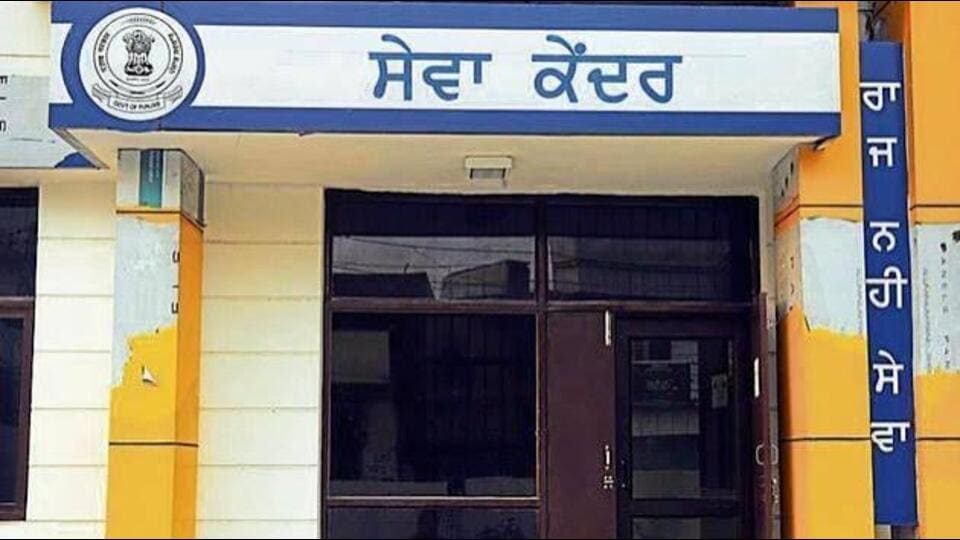
Residents encounter the government through drains, streets, schools, public health facilities and local offices. Yet municipalities and panchayats often lack the authority, staff or predictable funding needed to respond. The Comptroller and Auditor General’s Local Bodies Report, tabled in March 2026 and covering the period ended March 2023, identified weaknesses in devolution, financial management, revenue realisation and internal controls. Local accountability will remain hollow unless functions, finances and personnel travel together.
Weak habit of institutional learning
Announcements, expenditure and activity counts make convenient headlines. They tell us less about whether learning improved, treatment reached patients, investment created jobs, or grievances were resolved. Every major programme needs a baseline, publicly reported outcomes, independent evaluation and a willingness to stop what fails. Otherwise one administration’s initiative becomes another’s abandoned file, and the same mistakes return under new names.
These fault lines interact. Political overshoot can encourage commitments that budgets cannot sustain, discourage honest administrative advice, and divert attention from difficult reforms. Disappointment may then create demand for another round of promises. But public dissatisfaction should not be assumed to be uniform, and every subsidy cannot be dismissed as a freebie. The relevant test is whether a measure is fair, affordable and effective.
The 2027 offers an opportunity to change the terms of debate. All parties — not merely the incumbent — should explain how they would finance commitments, protect professional institutions and demonstrate results. Punjab needs a publicly debated, long-term governance compact: clear priorities across governments, integrated responsibility for cross-cutting problems, transparent discretionary decisions, stronger local bodies and annual independent reporting to the legislature. Audit findings must lead to time-bound corrections. Legislative committees should ask what changed after each audit, not merely whether a reply was filed. Citizen feedback must be published and acted upon. Reforms should survive changes in ministers and officers.
Punjab’s people do not expect miracles. They expect promises that mean something for sustainable development, public services that work and decisions they can trust. That is the cost of political overshoot: not simply strained finances, but time and confidence lost. The test of 2027 is whether politics can begin rebuilding both—and whether governance, and institutions can outlast governments.
sureshkumarnangia@gmail.com
The writer is a retired Punjab-cadre IAS officer. Views expressed are personal.


