E-Paper



Buffalo milk may cost ₹100 as Haryana dairy farmers push for price hike
Dairy farmers are meeting to enforce new pricing. Economic pressures on dairy farming remain significant despite calls for better pricing from experts.

 Prefer HTon Google


Consumers may soon have to shell out ₹100 per litre for buffalo milk in several districts of Haryana, as livestock farmers’ groups at the village and block levels have announced a price hike, claiming that the rising cost of feed and fodder, besides a substantial increase in transportation costs, has made it impossible for them to continue at the current price that ranges between ₹60 and ₹80 per litre. The demand has gained momentum, with dairy farmers holding meetings in villages across Jind, Kurukshetra, Kaithal, Rohtak and Hisar districts.
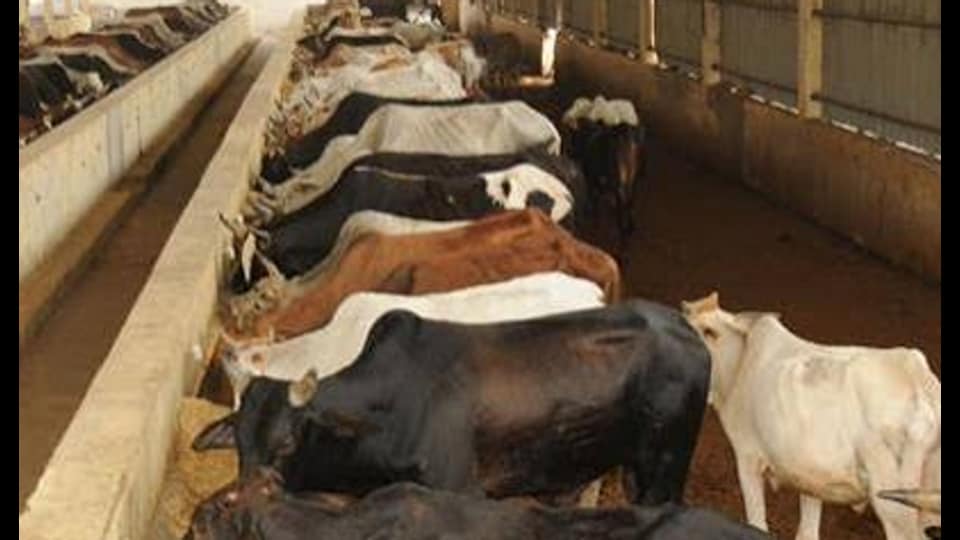
In Bhaini Amirpur village of Hansi, dairy farmers said the price hike will come into effect from September 5. They will charge ₹100 per litre for buffalo milk, ₹80 per litre for cow milk and ₹20 per litre for lassi. Neighbouring Rajthal and Thurana villages have supported their decision.
In Julana, Jind district, members of the Dairy Operators’ Association, during a meeting chaired by president Manoj Kumar, said that, besides charging ₹100 and ₹80 per litre for buffalo and cow milk, respectively, dairy farmers will charge ₹1,500 per kg for ghee and ₹2,500 per kg for cow-milk ghee. “Anyone selling milk and milk products below the aforesaid prices will be fined ₹21,000,” the association stated.
Also Read | Mumbai milk prices set to rise by ₹9/litre starting September 1
The association president said, “The cost of cattle feed has increased from ₹1,800 to ₹3,000. The price of wheat fodder has doubled to ₹1,000 per quintal.” According to Kumar, dairy groups in a few districts have submitted memoranda to Vita cooperative plants, seeking a ₹2–3 per kg increase in raw milk procurement prices.
In Barna village of Kurukshetra district, a group of dairy farmers organised a meeting on Saturday, where they urged sellers to adhere to the agreed prices. Kaithal’s Dhanauri village also saw a similar meeting.
The village and block-level associations, mostly informal groups, have been reaching out to similar groups in other districts to ensure uniformity in the prices of milk and milk products.
Also Read | TN CM Vijay announces further hike in milk procurement prices, unveils multi-crore infrastructure push
According to the farmers, the cost of maintaining dairy animals has increased substantially in recent years, with prices of cattle feed, oilcake, fodder, jaggery, green fodder, medicines and labour rising steadily. The cost of purchasing buffaloes and other milch animals has also increased, they said.
Livestock owners also said they are getting ₹60 to ₹80 per litre, depending on the type and quality of milk, which they claim is inadequate to meet the cost of production.
Richa Sharma, a researcher with the Supreme Court-appointed High Powered Committee on Agrarian Reforms, said ₹100 per litre for buffalo milk is reasonable, but ₹80 per litre for cow milk is a little high. “Based on input-cost studies, cow milk can be remunerative for farmers at ₹70 per kg,” she said.
Also Read | Haryana producing 36% of country’s total milk: Union minister
She also pointed to findings from the Situation Assessment of Agricultural Households and Land and Livestock Holdings of Households in Rural India, 2019, which indicate that dairy farming poses significant economic challenges for livestock owners due to low prices.