
 E-Paper



Implement reservations in faculty recruitment: Education ministry to IITs, NITs, IIMs
The Union ministry of education (MoE) has been following up with centrally-funded technical institutions (CFTI) to implement reservations in faculty appointments, shows information received under the Right to Information (RTI) Act.

 Prefer HTon Google


The Union ministry of education (MoE) has been following up with centrally-funded technical institutions (CFTI) to implement reservations in faculty appointments, shows information received under the Right to Information (RTI) Act.
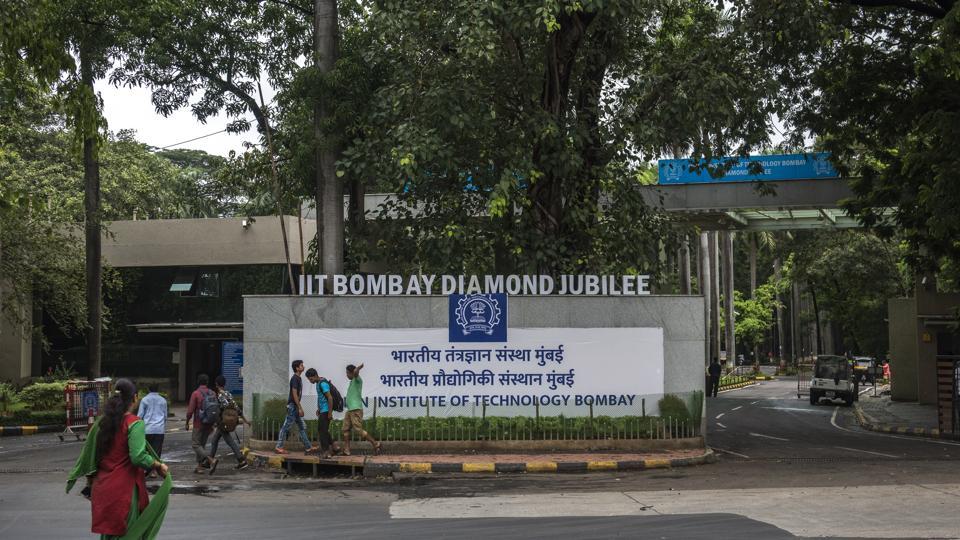
HT has accessed a series of three letters issued by the department of higher education wherein MoE has asked CFTIs such as Indian Institutes of Technology (IITs), National Institutes of Technology (NITs) and Indian Institutes of Management (IIMs) to implement the Central Educational Institutions (Reservation in Teachers Cadre) Act, 2019 having flexible faculty cadre structure. The RTI was filed by an education activist who wished to remain anonymous.
The first communication is dated September 17, 2020, followed by a letter this year on February 10. The latest in the series is a letter issued on July 16, reiterating the instructions to follow the reservations policy.
Unlike other universities, all CFTIs follow a flexible cadre system. This means that the sanctioned strength of faculty at different grades is not fixed. Faculty members graduate from assistant to associate to professor positions during the course of their career. Until 2019, reservations were applicable only to entry level assistant professors. But the Central government has since extended the reservation policy to all positions.
However, none of the 22 IITs in the country have more than six teachers from Scheduled Tribe (ST), while 18 of them have 10 or fewer candidates from Scheduled Caste (SC) category on their faculty rolls. Seven IITs had 10 or fewer faculty from Other Backward Classes (OBC). Of the 23 IITs in the country, data for IIT-Mandi was unavailable.
It has now come to light that the Central government has been following up with institutes on the matter. Emails to Amit Khare, secretary of higher education, MoE, did not elicit any response.
IIT-Bombay director Subhasis Chaudhuri said, “Yes, there has been a letter from MoE in this regard, and since IITs follow a flexible cadre structure, we shall be seeking guidance from our board of governors on this.”
IIT-Delhi director V Ramgopal Rao, too, said the institute received letters from MoE on the matter.
“It is not new that IITs are pushing for exemption to faculty reservation. We have learnt from the past that people from upper castes always opposed reservation. They opposed reservation in student admission also. The parliament and Supreme Court have deliberated on the issue of reservation a lot. Finally the concept of reservation has to prevail in countries like India. But as far as faculty reservation is concerned, IITs and other CFTIs are asking MoE for providing guidelines for making a reservation roster in a flexible cadre structure. It is the MoE that is delaying the implementation of faculty reservation in IITs,” said Rajesh Paswan, associate professor and convenor of Joint Forum For Academic and Social Justice, New Delhi.
Paswan said the instructions issued by MoE to IITs are insufficient to ensure effective implementation of faculty reservation. “MoE should either immediately abolish the flexible faculty cadre structure in IITs and other CFTIs or issue clear cut guidelines for making reservation rosters in flexible faculty cadre structure,” he said.


