E-Paper



No reservation required for super-speciality faculty posts: Orissa HC
The petitioners argued that the ad violated Rule 6 of Odisha Medical Education Service Rules (OMES), 2021, which mandates reservations for SC, ST, SEBC, women, sports persons

 Prefer HTon Google


The Orissa High Court has ruled that reservation provisions need not apply to recruitment for positions in super speciality medical disciplines, upholding a 2021 advertisement by the Odisha Public Service Commission (OPSC) that did not provide quota benefits for Scheduled Caste (SC), Scheduled Tribe (ST), and Other Backward Class (OBC) candidates.
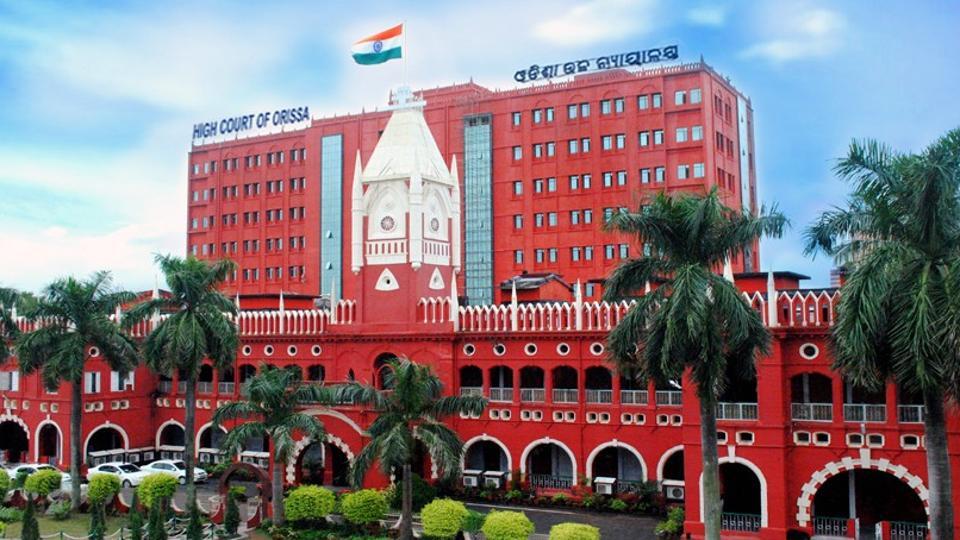
Justice Biraja Prasanna Satapathy on Monday dismissed two writ petitions filed by Dr Nihar Ranjan Biswal and Dr Sambit Kumar Behera, both from reserved categories, who had challenged the recruitment process for Assistant Professor posts in super speciality disciplines under the Odisha Medical Education Service cadre.
The petitioners argued that the advertisement violated Rule 6 of the Odisha Medical Education Service Rules (OMES), 2021, which mandates reservations for SC, ST, SEBC, women, sports persons, ex-servicemen and persons with disabilities (PwDs). They contended that since multiple posts were advertised in disciplines like Urology, Neurology, Gastroenterology and Surgical Gastroenterology, reservation should have been provided as per statutory provisions.
Also Read: Orissa HC quashes govt order allowing MLAs, MPs to recommend school teacher transfers
However, the court held that in the absence of any specific decision by the state government following Supreme Court guidelines on the matter, no illegality was committed in issuing the advertisement without reservations for super speciality positions.
The judgment relied heavily on a series of Supreme Court decisions, particularly the landmark Faculty Association of AIIMS versus Union of India case from 2013, which said that reservation policy was inapplicable for super speciality faculty posts.
In that judgment, the apex court had observed that “the very concept of reservation implies mediocrity” and emphasised that certain services and posts require merit alone due to the nature of duties or their position in the hierarchy. The court had specifically mentioned technical posts in research organisations, specialities and super specialities in medicine, and posts at higher echelons as areas where reservations would not be advisable.
The petitioners argued that the 2021 OMES Rules, framed under Article 309 of the Constitution, were statutory in nature and Rule 6 mandated reservations. They pointed out that Assistant Professor was the base level teaching post in the cadre structure, and therefore fell within the ambit of Section 3 of the Odisha Reservation of Vacancies Act, 1975.
They also cited recruitment advertisements by AIIMS Bhubaneswar, and public service commissions of Uttar Pradesh and Rajasthan for similar positions that provided reservations, arguing this demonstrated that super speciality posts could accommodate quota provisions.
The state government countered that super speciality posts required the highest standards of merit. They submitted a clarification issued by the Health and Family Welfare Department on June 21, 2021, which stated that as per Supreme Court orders, no reservation was applicable for Assistant Professor positions in super speciality disciplines.
The government also pointed to National Medical Commission regulations from 2022, which designated Senior Resident posts as base level positions rather than Assistant Professor posts in super specialities, arguing this placed such positions higher in the hierarchy where merit considerations were paramount.
Justice Satapathy noted that while Rule 6 of the 2021 Rules provided for reservations and Assistant Professor was indeed the lowest teaching post in the service cadre, the Supreme Court’s categorical position on super speciality appointments could not be ignored.
The court observed that the apex court had repeatedly held there could be no compromise with merit at the super speciality stage. In the Preeti Srivastava case from 1999, a Constitution Bench had ruled that super specialists require exceptional competence, expert knowledge, and the ability to make original contributions, making it detrimental to national interest to have reservations at this level.
“Since in terms of the decision in the case of Indra Sawhney so followed in Preeti Srivastav and Faculty Association of AIIMS, no step has been taken by the State as to whether reservation can be followed against recruitment to the post of Assistant Professor in Super Speciality, it is the view of this Court that no illegality or irregularity has been committed by the Opp. Parties while issuing the impugned advertisement,” Justice Satapathy held.
The court also noted that appointments in other disciplines pursuant to the advertisement had already been completed, and interfering with the process at this stage would prejudice selected candidates who were not parties to the petition.