
 E-Paper



SC must take a strong line on hate speech
While the Indian judiciary has been known to overreach sometimes, given the reticence of elected leaders, it must remind governments of its 2018 and 2019 guidelines

 Prefer HTon Google


Hours after the Supreme Court on Tuesday asked the Uttarakhand government to ensure that the guidelines on hate speech laid down in judgements delivered in 2018 and 2019 are adhered to, the state said a planned Dharam Sansad was unauthorized and detained its organisers. Sucn religious parliaments have become common over recent months, and, contrary to what their name suggests, ended up serving as fora for inflammatory speeches targeting minorities, usually Muslims. Unfortunately, states have been reluctant to crack down on these, till pushed to by media coverage, political push, and public outrage, and the organisers of such events have read this reluctance as implicit support. Indeed, it is very unlikely that the Uttarakhand government would have acted without the court’s observation.
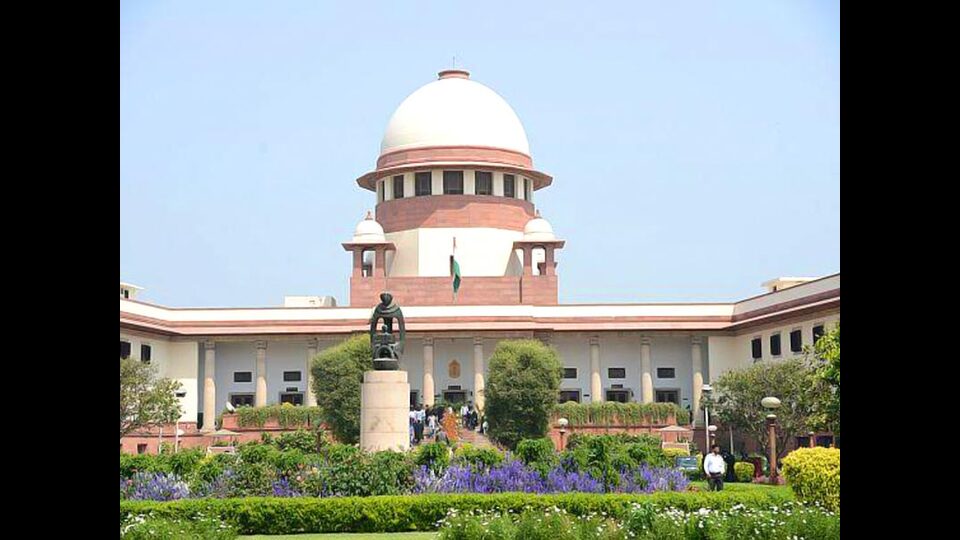
There’s a thin line between words and action, and the environment created by these Dharam Sansads has turned some parts of the country into a virtual tinder box. Over the past few months, there has also been an increase in the frequency and intensity of communal clashes, with the coercive action of some states in response seeming to target Muslims (demolitions in Gujarat, Madhya Pradesh, and Delhi are a case in point). It is possible that some of the clashes may have been prevented by prompt state action – but most governments have, at best, not reacted till after the event and, at worst, actually fanned the flames themselves through incendiary statements by office-holders. All of this comes against the backdrop of recent protests and court cases over everything from hijabs to meat to the use of loudspeakers in mosques.
While the Indian judiciary has been known to overreach sometimes, given the reticence of elected leaders, it is perhaps time for the Supreme Court to lay down the law (again) on hate speech, and remind governments of its 2018 and 2019 guidelines on how to prevent them, and, in the unfortunate event they can’t be prevented, how to deal with the aftermath.


