
 E-Paper



CM Rekha Gupta pitches women’s political participation, governance reforms at Coimbatore event
Rekha Gupta highlights Nari Shakti Vandan Act, delimitation and infrastructure as key drivers of inclusive development.

 Prefer HTon Google


Delhi Chief Minister Rekha Gupta on Thursday said greater political participation of women is essential for strengthening democracy and accelerating social development, as she addressed a gathering at the FICCI Ladies Organisation (FLO) in Coimbatore during her visit for Tamil Nadu Assembly election campaigning.
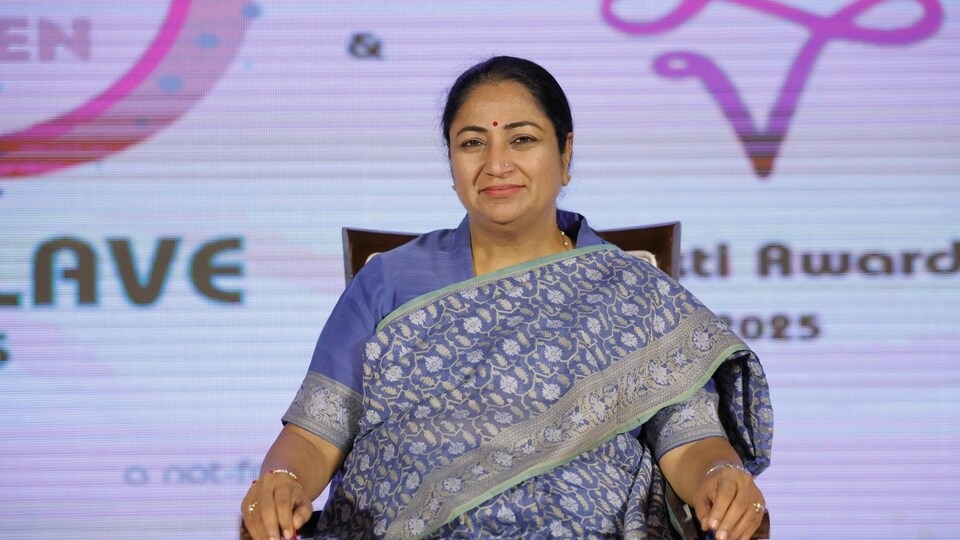
Speaking at the event, Gupta described the Nari Shakti Vandan Act as a landmark reform that will ensure 33% reservation for women in Parliament and state assemblies. She said the move would enable women to articulate their concerns more effectively and contribute meaningfully to policymaking.
Highlighting the issue of delimitation, Gupta sought to address concerns around the process, stating that it is aimed at enhancing representation rather than reducing population. She explained that delimitation involves redrawing constituency boundaries in line with demographic changes, allowing better focus on local issues and improved governance outcomes.
The Chief Minister emphasised that development is closely linked to governance priorities, noting that coordination between the Centre, states and local bodies is critical. She identified connectivity, cleanliness and ease of doing business as key pillars of growth, adding that transparent and efficient governance is essential to deliver services effectively.
Citing Delhi as an example, Gupta said her government has prioritised strengthening public transport infrastructure, including expansion of metro services, deployment of electric buses and improving last-mile connectivity. She noted that the capital currently operates over 4,300 electric buses and aims to transition its public transport system entirely to electric vehicles by 2028.
Gupta also underlined that increasing women’s participation in governance would enhance transparency and accountability. She said women bring sensitivity and commitment to administration, which can accelerate development outcomes and improve institutional functioning.
Referring to the broader impact of women’s empowerment, she said it extends beyond political representation to sectors such as education, defence, science and entrepreneurship. Initiatives like sanitation drives, financial inclusion and social welfare programmes have contributed to improving the quality of life for women, she added.
Calling for greater participation, Gupta urged women to actively engage in politics and public life. “When women are empowered, they uplift not just their families but the entire society,” she said, expressing confidence that increased representation would strengthen democracy and drive inclusive growth.


