
 E-Paper



Why acai bowls are becoming popular in India’s breakfast and wellness scene
India's acai bar scene is growing, with dedicated outlets and cloud kitchens emerging across metros. Here's what's behind the rise of the purple bowl.

 Prefer HTon Google


Once tucked away as a wellness add-on on larger café menus, açai is now getting dedicated real estate of its own. Over the past few months, standalone açai bars, cloud kitchens and delivery-first brands have opened across Delhi-NCR, Mumbai, Bengaluru and Pune, signalling that the deep-purple Brazilian berry is moving from niche superfood to a category in itself in India.
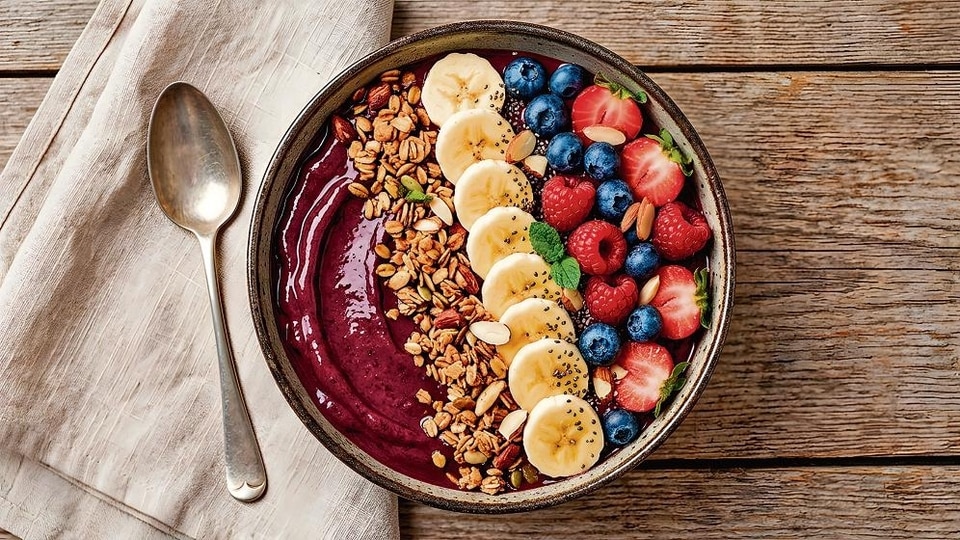
The berry is typically blended into a thick frozen pulp and topped with fruit, granola, nut butters and seeds. Food entrepreneurs in Indian metro cities are now positing them as smoothie-based breakfasts, post-workout meals, or grab-and-go foods. The format is also finding traction beyond dine-in cafés, with delivery-first brands making the bowls easier to sample.
“We felt India was ready for that shift too,” says Manav Suri, founder of Delhi-based Lyfberry, which opened in February this year. For Bengaluru-based Acai Theory, the opportunity was equally clear: a product that was commonplace abroad, but “virtually absent in India”.
Do desis like this food trend?
Lyfberry opened in Delhi’s Khan Market in February and initially saw a slow start during the colder months, says founder Manav Suri. “But once people tried it, demand really picked up,” he shares.
In Mumbai, Acai by the Bay began with a single cloud kitchen in 2024 to test demand and has since expanded to three. Founders Khushi Karia and Ragini Khandelwal say some days now cross ₹1 lakh in sales and 300 bowls.
The challenge is getting Indian consumers used to açai’s earthy, mildly tart flavour. Brands are therefore introducing familiar flavours and formats, from mango and guava chilli to dark chocolate, Nutella and takeaway cups. At Acai Theory, mango and dark chocolate act as “gateway options”, says co-founder Akash Kyal, before customers graduate to the original açai bowl.
Who is ordering it?
While Gen Z helped give açai its early visibility, sellers say the audience is widening. Acai Theory co-founder Akash Kyal says its core customer is now the 20-to-40 urban professional, including gym-goers and health-conscious diners seeking breakfast, a post-workout meal or a lighter dessert. Khushi Karia of Acai by the Bay says the appeal is stretching beyond that group too, with children, women in their 40s and even senior citizens increasingly willing to try the purple bowl.
Why does a bowl cost over ₹400?
On an average, an açai bowl in India can cost upwards of ₹400, largely because the key ingredient is imported. Açai grows almost exclusively in Brazil’s Amazon region, so Indian brands rely on frozen pulp that has to travel through a temperature-controlled supply chain. Shipping, cold-chain logistics and import duties all add to the final price. Ragini Khandelwal, co-founder of Mumbai-based Acai by the Bay, says sourcing remains one of the category’s biggest challenges. Açai also oxidises quickly and can lose its signature purple colour if not handled correctly. Brands hope that as demand rises, sourcing will become more streamlined and eventually bring costs down.
But is it actually healthy?
Açai may have a strong health halo, but nutritionists warn that not every bowl deserves an automatic healthy tag. “Açai berries are naturally rich in antioxidants, fibre and healthy fats,” says Himanshi Sharma, chief clinical nutritionist at ISIC Multispeciality Hospital, Delhi. But flavoured yoghurt, syrups, chocolate and sweetened granola can push up both sugar and calories.
Sharma recommends choosing bowls with fresh fruit, nuts, seeds and oats, while keeping portion sizes in check. A balanced bowl can work as a complete meal when it includes protein, healthy fats, fibre and complex carbohydrates, she says, but no single “superfood” can compensate for an otherwise poor diet.


