
 E-Paper



Delhi man sends legal notice to Insta creator, Meta over ‘spy’ glasses video reel
The legal notice dated August 24 was sent by Apar Gupta, a lawyer and founder of the digital rights advocacy group Internet Freedom Foundation (IFF)

 Prefer HTon Google


A Delhi resident has sent a legal notice to Meta and an Instagram creator, alleging that he was covertly recorded using camera-equipped smart glasses at a café in Delhi’s Khan Market in July and that footage of the incident was later posted as a reel that mocked him.
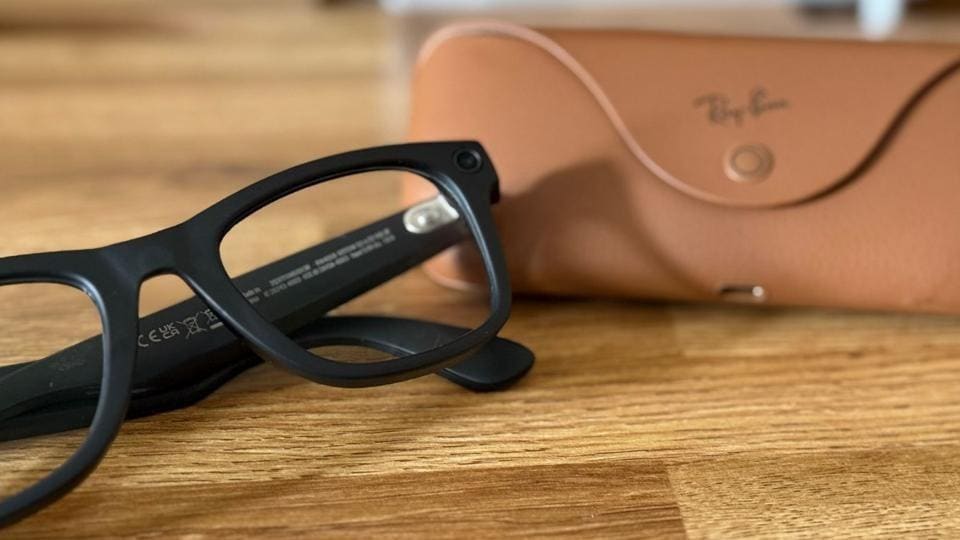
The notice, dated August 24 and sent by lawyer Apar Gupta, founder of digital rights advocacy group Internet Freedom Foundation (IFF), accuses the creator of privacy invasion, defamation and harassment. It also alleges that Meta shares liability as the platform that verified and monetised the account and as a maker of the glasses, which the notice describes as being “deliberately designed to be indistinguishable from ordinary fashion eyewear”.
The notice also sought ₹2.05 crore in damages jointly from Meta and the Instagram creator.
According to the notice, the incident took place on July 24, when the complainant was alone at a cafe in Khan Market. It alleged that a stranger approached him, asked unsolicited questions and followed him around the cafe until he changed seats.
“A complete stranger whom our client had never met, accosted our client and proceeded to pester, insult and harass him with a series of unsolicited and nonsensical questions and remarks, following him within the café,” the notice stated.
According to the notice, the interaction was recorded on smart glasses without the complainant’s knowledge. Two days later, according to the notice, the footage appeared as a reel on a verified Instagram account with more than 200,000 followers. It alleges that the reel crossed 400,000 views and attracted hundreds of mocking comments.
The complainant reported the post the following day, but the notice alleged that Instagram did not have a category specifically covering non-consensual recording, forcing him to report it under “bullying”. According to the notice, Meta twice responded that the material “doesn’t go against our Community Standards”, citing its harassment and bullying rules.
The notice further alleged that the account briefly disappeared on August 9 before resurfacing with the video still available. According to IFF, the video had received more than 419,000 views, 15,700 likes and over 500 comments by August 6.
The notice also asked Meta to disclose if there was a mechanism to report abuse for the use of a smart glass device and whether such a mechanism, in addition to other product safety features, had been incorporated for third parties to file a complaint.
The notice sought removal of the material, a public apology, disclosure of everyone involved in recording the incident and preservation of the video’s metadata. To be sure, no court petition has been filed and the notice does not identify the Instagram creator.
While Meta did not directly address the allegations, a company spokesperson shared information with HT about privacy safeguards on its glasses, including a capture LED that cannot be switched off and which, Meta said, disables recording if tampered with.
Instagram head Adam Mosseri said in a recent weekly AMA that Meta cannot prevent people from filming others, but tries to ensure the recording light remains on. He said the company would remove harassing “pickup line”-style content and did not want people “surreptitiously taking videos of other people and harassing them”.
Dhruv Garg, partner at policy advisory Indian Governance and Policy Project, said the legal question was more nuanced than whether recording in public was simply permitted or prohibited. “Indian law does not create a general consent requirement for every public recording,” he said.
However, Garg said being visible in a public place did not necessarily mean a person had made their personal data “publicly available” under the law. He said the issue would also involve whether the platform could identify the person, and argued that privacy safeguards should account for context, persistence and dissemination rather than treating the fact that a recording was made in a public place as decisive.


Stay updated with all top Cities including, Bengaluru, Delhi, Mumbai and more across India. Stay informed on the latest happenings in World News along with Delhi Election 2025 and Delhi Election Result 2025 Live, New Delhi Election Result Live, Kalkaji Election Result Live at Hindustan Times.


