E-Paper



Shahdara, Barapullah among most polluted drains discharging into Yamuna: Report
There are 22 drains between Wazirabad and Okhla that directly discharge into the Yamuna, and eight of these drains were found to have no flow

 Prefer HTon Google


The Shahdara, Barapullah and Sen Nursing Home drains are the most polluted drains discharging their untreated effluents directly into Delhi’s Yamuna stretch, according to the latest water analysis report by the Delhi Pollution Control Committee (DPCC), dated September 9.
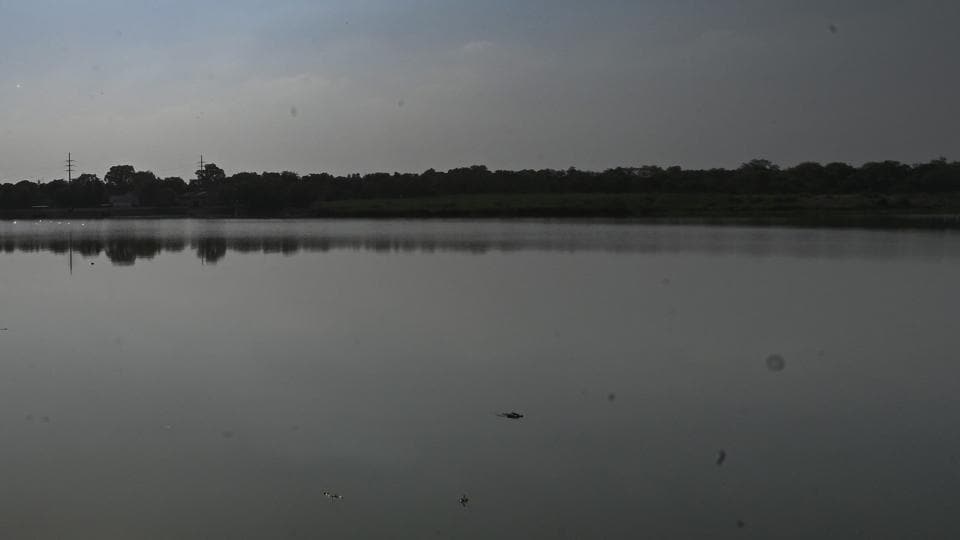
There are 22 drains between Wazirabad and Okhla that directly discharge into the Yamuna, and eight of these drains were found to have no flow, while all the remaining 14 drains breached the prescribed standards for water quality. Among the drains from Haryana and Uttar Pradesh that indirectly contribute effluents to these drains, the L3 drain from Gurugram, which enters Najafgarh Jheel, and the Sahibabad drain from Uttar Pradesh fared the worst in terms of pollution parameters, with untreated sewage and industrial discharge.
Under the current surveillance system, the government monitors water quality parameters such as Biochemical Oxygen Demand (BOD), Chemical Oxygen Demand (COD) and Total Suspended Solids (TSS) from samples taken from 22 drains in Delhi. The monthly monitoring also covers six sub-drains with outfalls in the Agra Canal, three Uttar Pradesh drains with outfalls in the Shahdara drain, and sub-drains ending up in Najafgarh Jheel/drain.
Also Read:GMDA plans ₹5.88-crore system to track sewage entering Yamuna
The standards for such drain samples stipulate that TSS should be less than 100 mg/L, COD less than 250 mg/L and BOD less than 30 mg/L. As per the DPCC August report on drain parameters, out of the 22 drains with direct outfalls, the Shahdara drain was the most polluted, breaching all parameters, with TSS of 240 mg/L, 2.4 times the maximum limit, COD of 272 mg/L and BOD of 120 mg/L, four times the maximum permissible limit.
Shahdara was followed by the Barapullah drain, with TSS, COD and BOD of 218 mg/L, 256 mg/L and 120 mg/L, respectively. The Sen Nursing Home drain recorded these three parameters at 216 mg/L, 240 mg/L and 100 mg/L, respectively.
BOD indicates the level of organic pollution in water by measuring how much oxygen microorganisms need to break down the biodegradable component. COD measures the total oxygen required for the chemical oxidation of all organic and inorganic pollutants. TSS indicates turbidity levels due to undissolved components. Lower values indicate better water quality. None of the drains from which samples were collected in August met the BOD criterion.
To be sure, in terms of the volume of wastewater discharge, the Najafgarh drain contributes the maximum amount of effluents to the river. The drain failed to meet the TSS (116 mg/L) and BOD (66 mg/L) parameters.
The 22-km Yamuna stretch between Wazirabad and Okhla is the most polluted part of the river, with 22 major drains flowing into the river stream.
Currently, the Delhi Jal Board (DJB) is unable to treat the entire amount of sewage generated by the city, and a large amount ends up entering the river. To increase its overall sewage treatment capacity, the Delhi government is connecting all households to sewerage treatment infrastructure, and a target to double the treatment capacity has been fixed for the next three years, officials said.
Among the drains from Uttar Pradesh that indirectly add to the Yamuna’s woes, the Sahibabad drain fared the worst, with a Chemical Oxygen Demand of 284 units, worse than any other drain.
All three sub-drains — Banthala, Indrapuri and Sahibabad — fared extremely poorly. From Gurugram, the L3 drain was found to be adding the maximum pollution load to the Najafgarh wetland, which later ends up in the Najafgarh drain.