
 E-Paper



Tried and Tested: Duroflex Airboost Mattress review; what 40 days of real-world sleeping taught me

 Prefer HTon Google


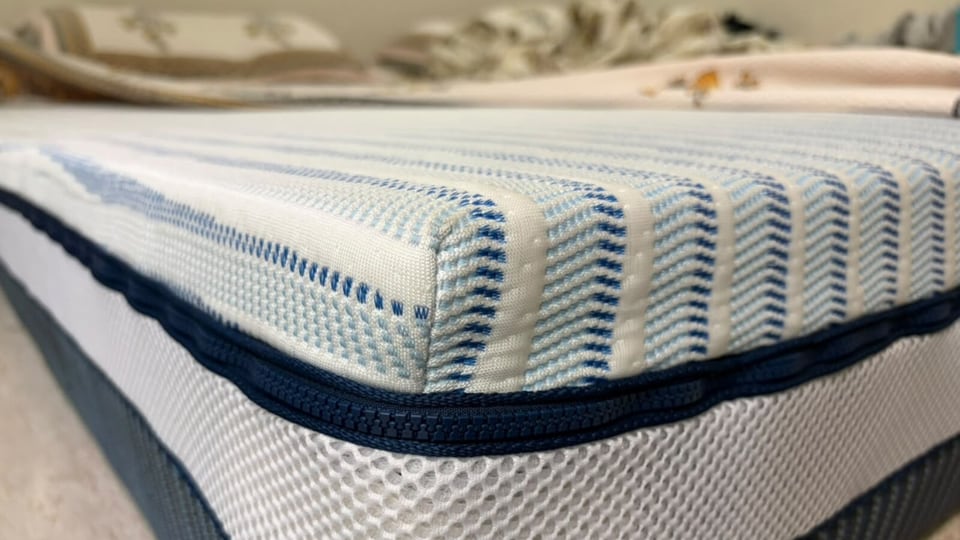
I slept on Duroflex Airboost for 40 days to test its comfort, cooling, movement control and support for everyday sleep.
I was sceptical when Duroflex first told me about the Airboost mattress. I have used enough mattresses over the years to know that a new material does not automatically mean better sleep. So when the brand offered to send one over for 40 days of testing, my only goal was to understand if this was really going to feel different from the mattress we already use. The timing was good. My husband has ongoing back discomfort, while I had started feeling the effects of spending long hours at my desk. After eight hours hunched over a laptop, my back and neck were beginning to complain, and I was waking up with the occasional backache.
Then there was the heat issue. We are both hot sleepers, but our temperature preferences are completely different. My husband gets hot and sweaty at night and wants the AC lower. I get cold and need a blanket. Not exactly an ideal sleep setup. So I had quite a list of things I wanted this mattress to prove. And I gave it 40 days.
What makes Airboost different?
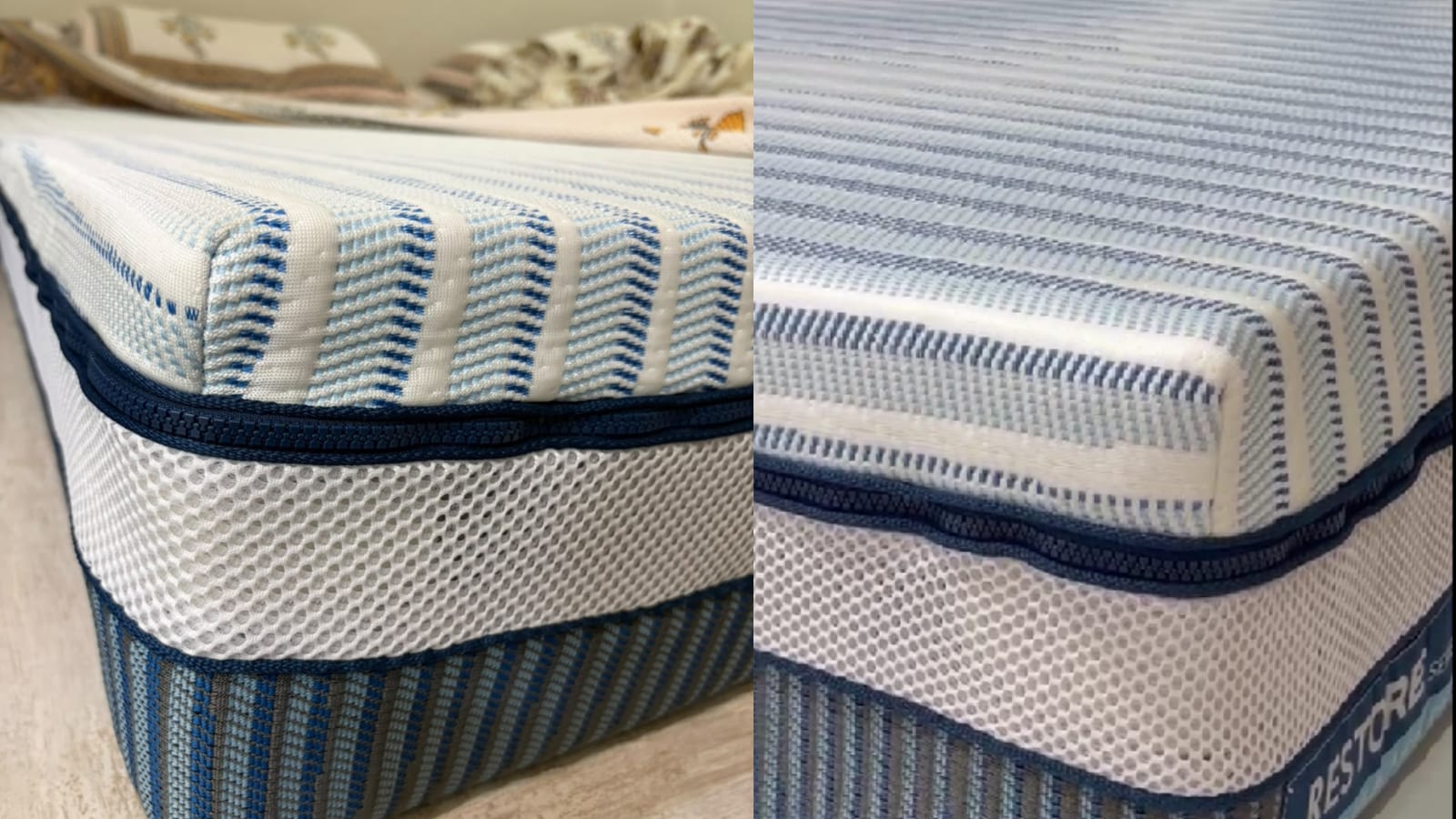
Airboost does not use a conventional solid foam core. Duroflex uses AirKnit technology, made with more than one lakh independent fibres. The company says the structure is predominantly air by volume and is designed to provide airflow, localised support and quicker response to movement. The basic difference is easy to understand.
Traditional foam and coir
• Rely largely on the compression of a solid layer
• Have a denser feel
• Can retain more heat depending on the construction
Airboost
• Uses thousands of individual fibres
• Has an open internal structure
• Allows air to move through the core
• Responds to pressure across different areas of the mattress
The technical explanation sounded interesting. What mattered to me was how it performed in our bedroom.
The first two nights were not particularly exciting
Here is where I need to be honest. On nights one and two, I found the mattress comfortable, but I did not think it was dramatically different from our previous one. The top layer felt softer than what we were used to, while the layer underneath felt firmer. That combination took a little getting used to. Then came day three. Both of us woke up and realised something was missing. Our usual lower back discomfort was not there. I am a very disturbed sleeper and usually spend quite a bit of time tossing and turning before falling asleep. With Airboost, I found myself falling asleep almost immediately after getting into bed. That was when I started paying proper attention.
My first 72 hours
• Days one and two: Comfortable, but not dramatically different
• Day three: We noticed less of our usual lower back discomfort
• After that: Falling asleep became easier, and the mattress remained comfortable
How did the support feel?
This was one of the biggest things I wanted to test. I did not want a mattress that felt like a rigid board, but I also did not want to sink deeply into foam and struggle to turn. Airboost sits somewhere between those sensations. The top feels softer, while the support underneath feels firm and sturdy. After a couple of days, the mattress seemed to settle into our bodies, and the initial difference in feel became much less noticeable. After 40 days, that underlying support still feels strong. I am not going to claim that a mattress can treat a medical condition. What I can say is that my husband felt more comfortable through the night, and we noticed less of the usual morning discomfort.
What worked for us
• Softer feel on top
• Firm support underneath
• No heavy sinking sensation
• Comfortable through the night
• Support remained consistent during the 40-day test
The movement test was a big win for me
If you sleep next to someone who tosses and turns, you know why this matters. My husband moves around quite a bit when he sleeps. With our previous mattress, his movement travelled across the bed and often disturbed me. Airboost handled that movement much better. I could still tell when he turned, but the entire mattress did not seem to move with him in the same way. For me, that made a genuine difference because I am already a light and disturbed sleeper. Duroflex says its independent fibre structure helps reduce movement transfer across the mattress. My experience over 40 days broadly matched that claim.
For couples, I noticed:
• Less movement travelling across the bed
• Fewer disturbances when my husband changed position
• Easier movement when I changed sleeping position
• No slow, stuck sensation when turning
Does Airboost actually sleep cooler?
This was another important test because both of us sleep hot. Normally, my husband wants the AC quite low because he gets warm and sweaty. I then get cold and reach for a blanket.
With Airboost, we could keep the AC at a slightly higher temperature. More importantly, my husband was sweating less through the night. There is a big difference between a mattress feeling cool when you first lie down and staying comfortable several hours later. For us, the latter was noticeable.
Duroflex says the open fibre construction allows airflow through the mattress core. I cannot independently verify every technical performance figure from a home test, but I can tell you what happened in our bedroom. My husband was more comfortable; his nighttime sweating reduced, and we did not need the AC quite as low.
Our real-world heat test
• Both of us are hot sleepers
• My husband usually prefers a colder AC setting
• I often need a blanket at that temperature
• We could keep the AC slightly higher
• His nighttime sweating reduced
• The mattress remained comfortable several hours into sleep
One thing I would check before buying
Here is the practical detail I noticed from my interior design background. The Airboost mattress is taller than many mattresses I have used before. We did not have an issue with our bed, but I would definitely check the mattress height if you have a wall-mounted headboard. The mattress height changes the final relationship between the bed, mattress and headboard. If you already have a bedroom setup, check:
• Exact mattress height
• Bed frame height
• Fixed headboard height
• How much of the headboard will remain visible once the mattress and bedding are in place
If you are designing a new bedroom, I would choose the mattress before finalising the bed and headboard heights.
Duroflex Airboost mattress specifications
The Airboost range includes different versions, so details such as height and firmness can vary. Check the exact model and size before ordering.
After 40 days, would I buy it?
This is where my initial scepticism has changed. The first two nights did not make me think I had found my perfect mattress. Day three did. After that, the difference became much easier to notice. I was falling asleep faster, waking with less discomfort, getting less disturbed by my husband's movement and dealing with less nighttime sweating. The mattress has also remained comfortable after 40 days. The funny part is that I am now trying to convince myself to buy one even before Duroflex takes this one back!
For me, that is probably the most honest verdict I can give a mattress after sleeping on it for 40 days.
Similar articles for you
World Sleep Day 2026: Why your mattress is the new wellness investment
Looking for a comfy mattress to rest on? These picks I found are perfect for a good night's sleep
5 Orthopaedic mattresses for better sleep: Top-rated picks
Disclaimer: At Hindustan Times, we help you stay up-to-date with the latest trends and products. Hindustan Times has an affiliate partnership, so we may get a part of the revenue when you make a purchase. We shall not be liable for any claim under applicable laws, including but not limited to the Consumer Protection Act, 2019, concerning the products. The products listed in this article are in no particular order of priority.


