
 E-Paper





Anukriti Srivastava thrives at the intersection of words and voice, where journalism meets storytelling. A digital editor and journalist with over 5 years of experience, she has written across lifestyle, women issues, relationships, entertainment, fashion, and travel. She did her Masters in Broadcast Journalism and has published more than 500+ lifestyle content pieces across platforms. As a former Sub-Editor at HerZindagi, she produced engaging digital content, interviews, and event coverage for a wide audience. She has also contributed as a Webstory Producer with Travel + Leisure, transforming travel experiences into immersive stories for readers who love exploring the world. Beyond writing, Anukriti’s storytelling extends to the microphone. As a voice-over artist, her warm and expressive voice has brought scripts to life across audio platforms, turning simple words into immersive experiences. Her work reflects a deep interest in people, culture, and everyday stories that resonate with readers and listeners alike. She enjoys crafting content that informs, inspires, and sparks curiosity. Away from screens and studios, you’ll find her reading self-help books, listening to music, getting lost in romantic novels, and playing the guitar for a creative reset. For Anukriti, storytelling isn’t just a profession—it’s a way of seeing and sharing the world.
Everyday Explained: Why we feel sleepier in a moving car even when we are well-rested


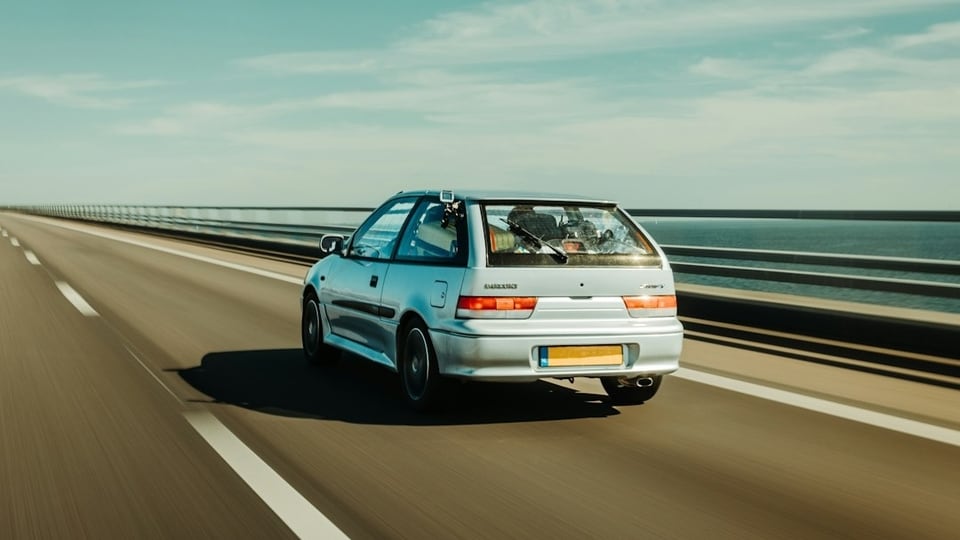
From engine vibrations to monotonous motion, here are the reasons why car rides often make us feel sleepy.
Do you also feel sleepy while travelling in a car? You are not the only one to feel that. Feeling sleepy in a moving vehicle is a combination of several factors. In this edition of ‘Everyday Explained,’ HT Lifestyle, Dr Shiva Kumar R, senior neurologist at Poorna Neuro Holistic Care and Manipal Hospital, Sarjapur Road, Bengaluru, explains the science behind this.
Why do we feel sleepier while travelling in a moving car?
According to Dr Kumar, feeling sleepy in a moving car, particularly during long journeys, is a combination of sensory stimulation, brain activity, environmental factors, and the body's natural sleep regulation mechanisms. “The rhythmic motion of the vehicle, repetitive vibrations, and relatively monotonous surroundings can have a calming effect on the brain,” highlighted Dr Kumar. Unlike walking or engaging in an activity that requires active movement, sitting passively in a car reduces sensory engagement and physical stimulation, making it easier for the brain to drift towards sleep.
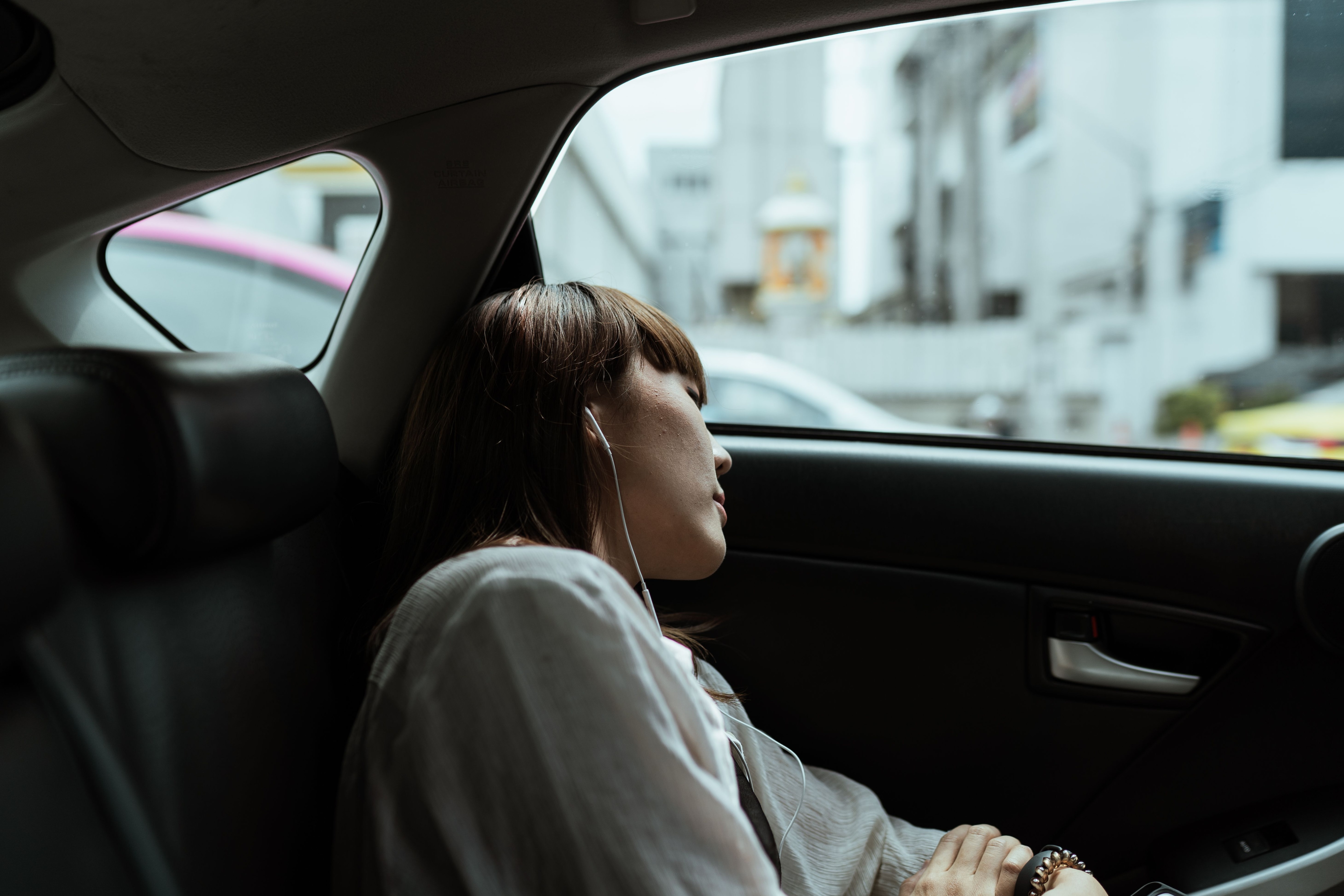
Dr Kumar highlighted that the continuous, low-frequency vibrations and gentle swaying of a moving vehicle may also influence brain activity associated with relaxation and sleep onset. This repetitive motion can act as a soothing stimulus, somewhat similar to the rocking motion that helps infants fall asleep. When the visual environment is also repetitive, such as watching the road, passing trees, or highway scenery, the brain receives fewer novel stimuli to maintain alertness.
Circadian rhythm
According to Dr Kumar, another important factor is the body's circadian rhythm, which regulates our sleep and wake cycle. If a person is travelling during their usual sleeping hours, after lunch, early in the morning, or late at night, the natural dip in alertness can become more pronounced. Sleep deprivation, inadequate sleep the previous night, heavy meals, dehydration, and warm cabin temperatures can further contribute to drowsiness.
In some individuals, motion-related sensory input may also contribute to relaxation by reducing the need for active postural adjustments, particularly when they are seated comfortably and not required to perform any task.
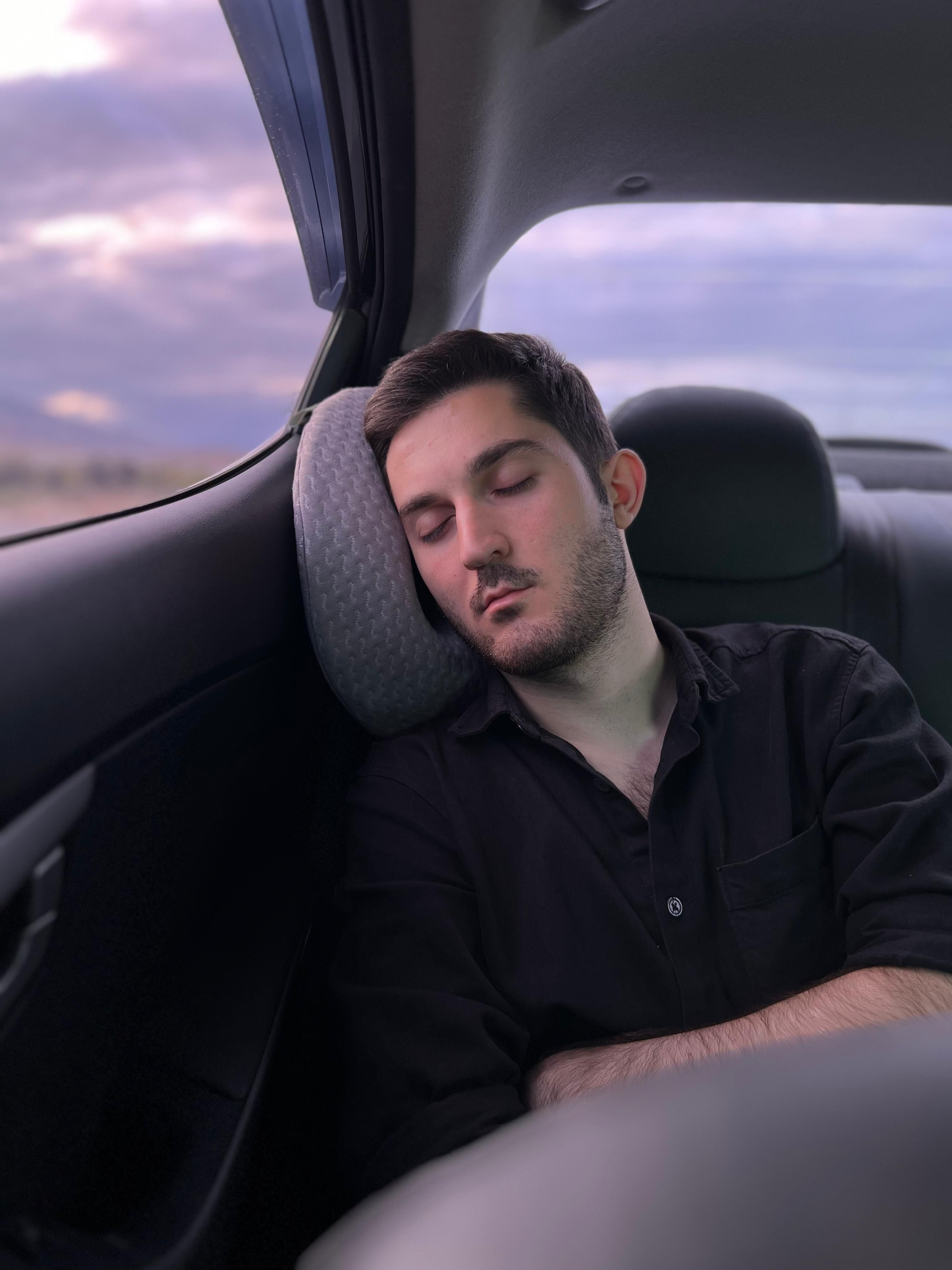
However, excessive sleepiness during travel should not always be dismissed as a normal response to motion. If someone frequently experiences overwhelming daytime sleepiness despite getting adequate sleep at night, it could indicate an underlying sleep disorder such as obstructive sleep apnoea or other sleep-related conditions.
Most importantly, this phenomenon can be dangerous for drivers. Drowsiness reduces reaction time, concentration, and decision-making ability. If a driver feels sleepy, they should stop at a safe location and rest rather than rely on coffee, music, open windows, or continue driving to stay awake.
Note to readers: This article is for informational purposes only and not a substitute for professional medical advice. Always seek the advice of your doctor with any questions about a medical condition.
ABOUT THE AUTHOR

Catch your daily dose of Fashion, Taylor Swift, Health, Festivals, Travel, Relationship, Recipe and all the other Latest Lifestyle News on Hindustan Times Website and APPs.


